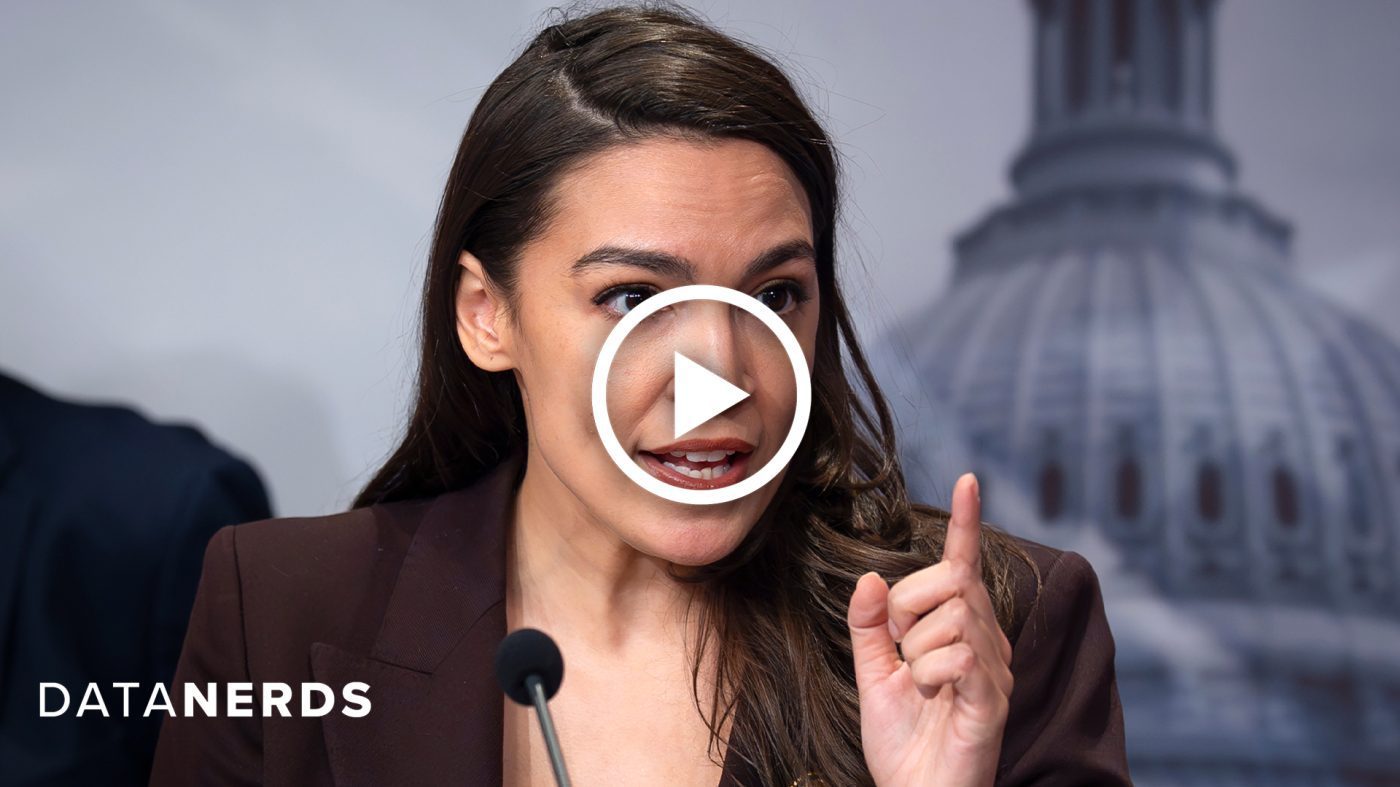
Rep. Alexandria Ocasio-Cortez (D-N.Y.) is at a crossroads that could reshape her political future: whether to launch a presidential campaign or pursue a Senate seat in 2028. The decision, fraught with strategic calculations, comes as Democrats ride a wave of momentum following a surprising victory in Mississippi's Senate race.
Political analysts say the numbers paint a complex picture for the progressive firebrand. A presidential bid would thrust her into a crowded primary field, testing her national appeal against more moderate contenders. Alternatively, a Senate run—likely against a Republican incumbent in New York—would be a safer bet, but it might delay her White House ambitions by years. "The data suggests she has a strong base, but the path to the nomination is narrow," noted Geoffrey Skelley, chief elections analyst at Decision Desk HQ.

Adding to the intrigue, Democrats are still tallying results in uncalled races, including Alaska's Senate contest where Democrat Mary Peltola has widened her lead as ranked-choice votes come in. If Democrats flip that seat, their Senate majority would solidify, giving the party more leverage on Capitol Hill—and potentially making Ocasio-Cortez's legislative influence even more pronounced.
The Mississippi upset has energized progressives, who argue it validates their agenda. "This win shows that bold, working-class messaging can resonate even in deep-red states," said Rep. Ocasio-Cortez in a recent statement. Her allies point to her endorsement of an impeachment push against Defense Secretary Pete Hegseth as evidence she's willing to take on the establishment.
But the GOP is already gearing up for a 2028 reckoning, with internal battles over whether to break with former President Trump or risk another electoral rout. That uncertainty could open lanes for Democrats, but it also means the political landscape is fluid. "Republicans are fighting over their identity, which could either help or hurt Democrats depending on how it shakes out," Skelley explained.
Meanwhile, Senate GOP leadership has been delayed amid conservative backlash, complicating the party's ability to mount a unified opposition. The delay in the leadership vote underscores the fractures within the GOP, which Democrats hope to exploit.
For Ocasio-Cortez, the clock is ticking. A presidential run would require building a national infrastructure and fundraising machine, while a Senate bid would let her deepen her policy portfolio. "She's a generational talent, but 2028 is a gamble either way," said Bill Sammon, The Hill's senior vice president of editorial content. "The question is whether she wants to risk it all on the presidency or build a longer-term strategy."
As the political world watches, the Alaska Senate race remains a key indicator of Democratic strength. And with the Supreme Court potentially facing a vacancy—Justice Alito's seat is now seen as vulnerable—the stakes for Senate control are higher than ever.
Ocasio-Cortez has not publicly signaled a timeline for a decision, but her next moves will be scrutinized by both parties. For now, she remains a central figure in the Democratic ecosystem, balancing her role as a legislative powerhouse with whispers of higher office.