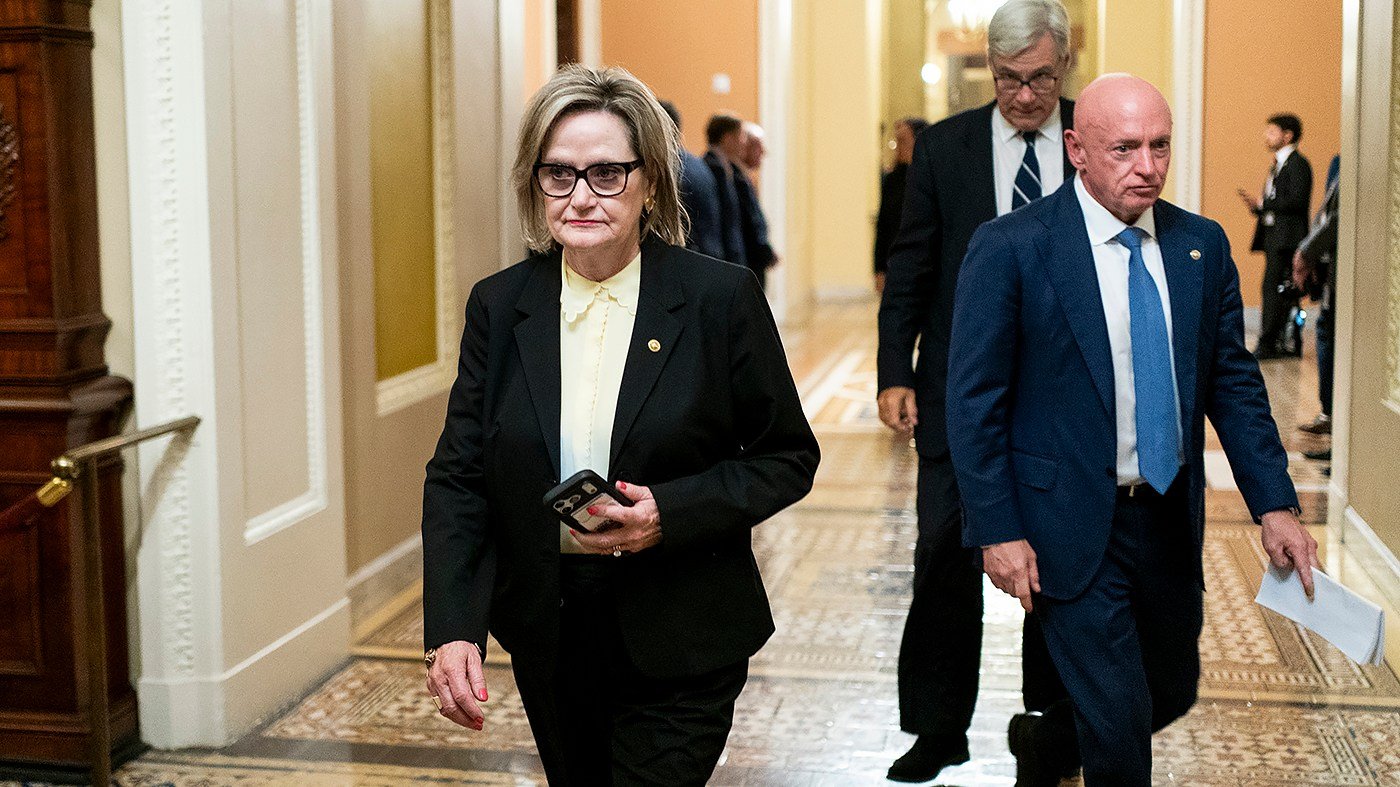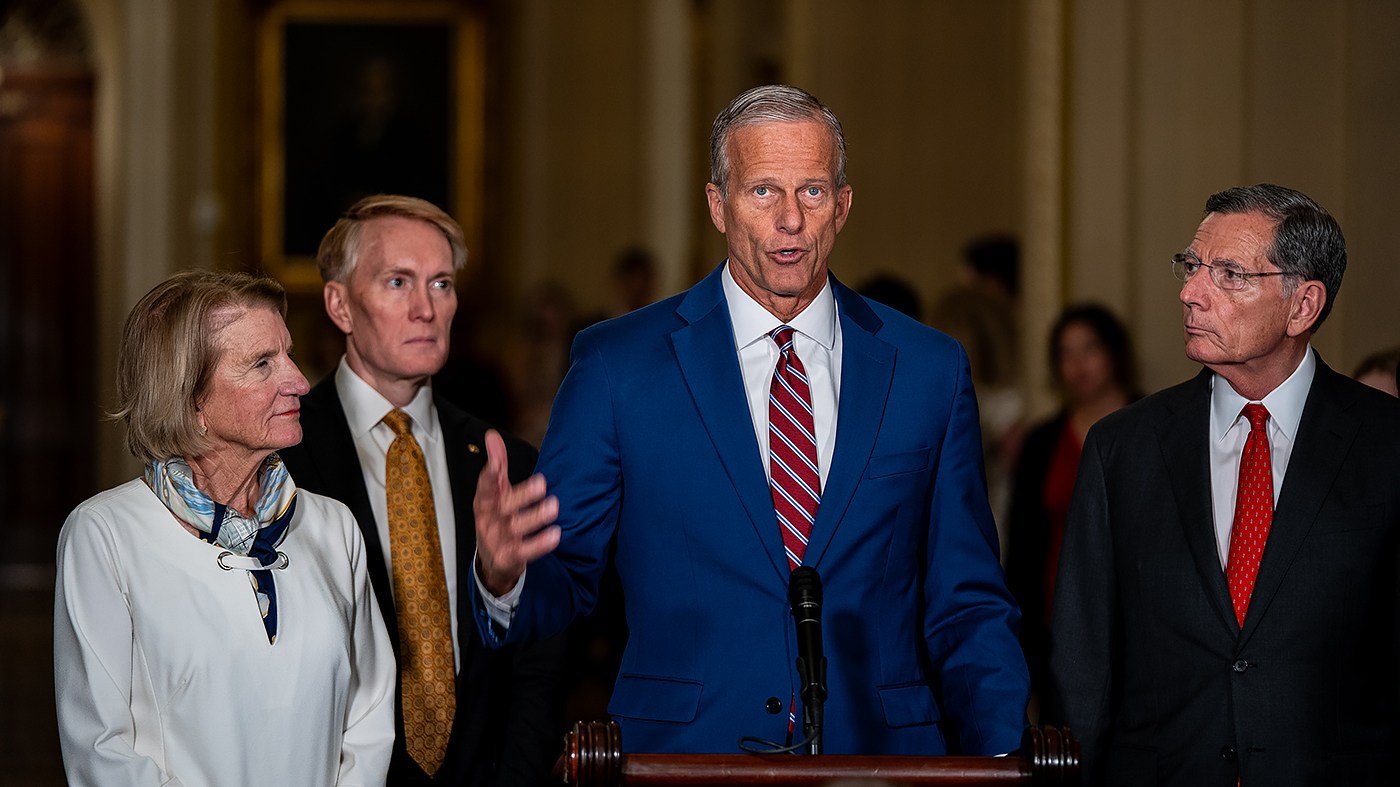
Senate Republicans on Tuesday postponed their leadership elections, opting instead to hold a closed-door meeting that stretched for nearly two hours as the party grappled with the fallout from its disappointing midterm performance. The delay underscores deep frustration within the GOP ranks and sets the stage for a contentious internal battle over the conference's direction.
Senate Majority Leader John Thune (R-S.D.), who is seeking another term as GOP leader, came under pressure from conservative members demanding a clear plan for the lame-duck session and the transition to a Democratic majority next year. The meeting was described as tense, with multiple senators pressing Thune on how he intends to navigate the remaining legislative calendar and protect Republican priorities.
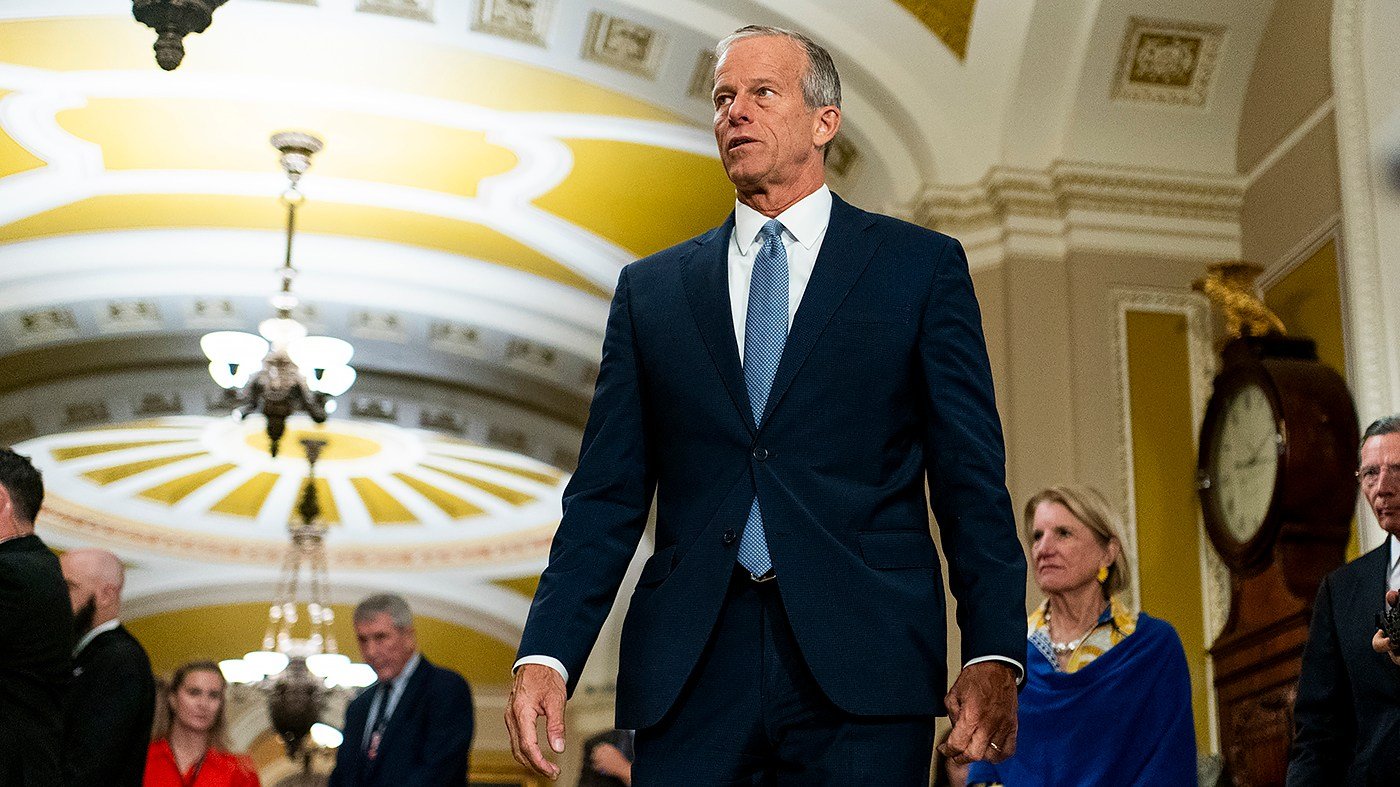
The decision to push back the leadership vote follows a similar move in the House, where Republicans have also delayed their internal elections. On Tuesday, House Republicans selected Rep. Jim Jordan (R-Ohio) to lead their conference next term, a choice that signals a shift toward a more confrontational posture. The Senate GOP's delay reflects parallel anxieties about the party's message and strategy after voters delivered a rebuke in key races.
Conservatives in the Senate have been vocal about their dissatisfaction, with some threatening to boycott the leadership vote altogether. The internal unrest has been building for weeks, as lawmakers trade blame for the midterm losses and debate the party's future. The postponed elections have only intensified the jockeying for positions and the pressure on Thune to demonstrate he can unite the conference.
Thune, who took over as leader after Mitch McConnell stepped down, has faced a difficult balancing act. He must manage an unruly caucus while preparing for a Democratic-controlled Senate and White House. The lame-duck session will test his ability to deliver on must-pass spending bills and other priorities before Republicans lose their gavels.
The Senate Republicans' press conference, scheduled for 2:30 p.m. EST, is expected to address the delayed elections and the path forward. It remains unclear whether Thune will face a formal challenger, but the behind-the-scenes maneuvering suggests his grip on the leadership post is not secure.
Meanwhile, the House GOP's leadership battles are also intensifying as the conference confronts its new minority status. The selection of Jordan, a founding member of the House Freedom Caucus, indicates that House Republicans are preparing for a combative relationship with the incoming Democratic majority. The Senate GOP's deliberations are likely to follow a similar pattern, with conservatives demanding a more aggressive stance.
As the party seeks to regroup, the postponed leadership elections serve as a stark reminder of the divisions that remain after the midterms. For Thune and his allies, the challenge is to craft a strategy that satisfies an increasingly restive base while navigating the realities of divided government.