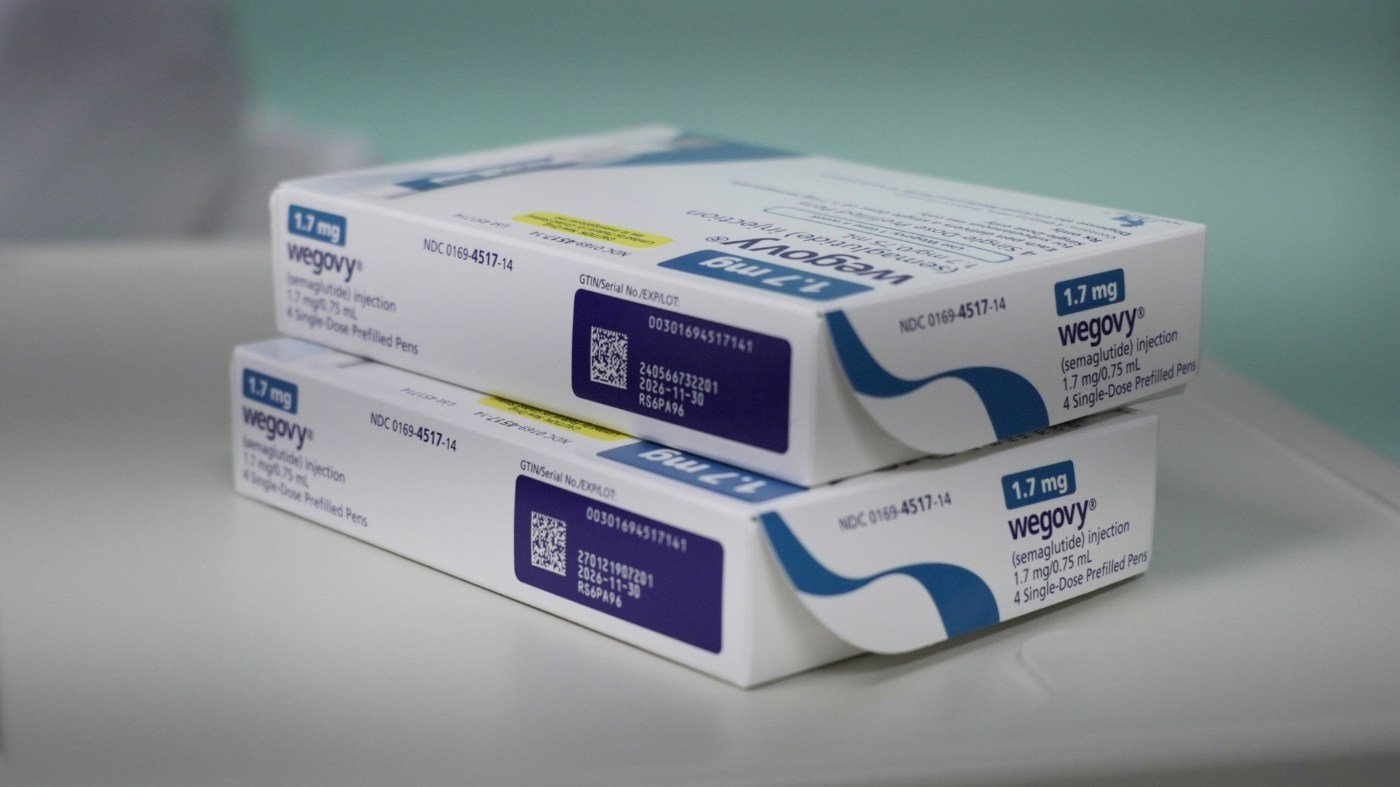
The Food and Drug Administration this week mandated that manufacturers of GLP-1 medications—including blockbuster drugs like Ozempic, Wegovy, Mounjaro, and Zepbound—update their labels to flag a rare but serious eye condition. The move follows a similar action by European regulators, who last year classified the condition as a very rare potential side effect of semaglutide, the active ingredient in Ozempic and Wegovy.
The condition, known as non-arteritic anterior ischemic optic neuropathy (NAION), is sometimes described as a stroke of the optic nerve. It occurs when blood flow to the front of the optic nerve is blocked, depriving the tissue of oxygen and nutrients. The onset is often sudden and painless—patients may wake up to blurred or diminished vision in one eye, with no warning signs.
There is no established treatment to reverse the damage. While some patients see limited spontaneous improvement, many are left with permanent visual impairment. For those who drive, work, or rely on sight for daily independence, the consequences are profound.
The FDA's decision is a step forward, but experts argue it's not enough. Dr. Sreedhar Potarazu, an ophthalmologist who has studied NAION for nearly three decades, told The World Signal that a warning label is insufficient. "Patients should not be expected to distinguish between a diabetic complication and a possible medication-related event on their own," he said. "Nor should they wait until they experience sudden vision loss to discover that an ophthalmologic evaluation might have been useful."
The agency's review included clinical trial data from more than 134,000 participants, finding 6.4 cases of NAION per 100,000 among GLP-1 users. The European Medicines Agency had earlier estimated the risk at up to 1 in 10,000 users. While the condition remains rare, the sheer number of people taking these drugs—millions globally—means even a small percentage translates into a significant number of affected individuals.
Complicating matters, many GLP-1 users also have diabetes, which is an independent risk factor for NAION and other vision problems like diabetic retinopathy. This overlap makes it difficult to determine whether a vision change is due to the medication, the underlying disease, or both.
Potarazu is calling for a more proactive approach. He recommends that all patients receive a comprehensive eye exam—including an assessment of optic nerve health and a review of existing retinal disease—before starting GLP-1 therapy. For diabetic patients, this would complement, not replace, their standard diabetic eye screening. "A baseline examination provides an opportunity to identify preexisting conditions, document optic nerve anatomy, and establish a reference point should visual symptoms develop," he said.
Patients on these medications should be alert to sudden, painless vision loss in either eye, new blind spots, missing portions of the visual field, or unexplained visual distortion. These symptoms warrant immediate medical attention and should never be dismissed as fatigue, aging, or diabetes.
The pharmaceutical industry, regulators, and prescribing physicians all have a responsibility to ensure patients understand the risks and warning signs. As Potarazu put it, "Saving someone's vision should be as important as improving their metabolic health."
This development also underscores broader concerns about GLP-1 drugs. Earlier reports have linked them to nutrient shortfalls, and the hospitality industry has warned about their impact on beer sales. While those are economic and nutritional issues, the blindness risk is a direct patient safety matter that demands more than a label change.