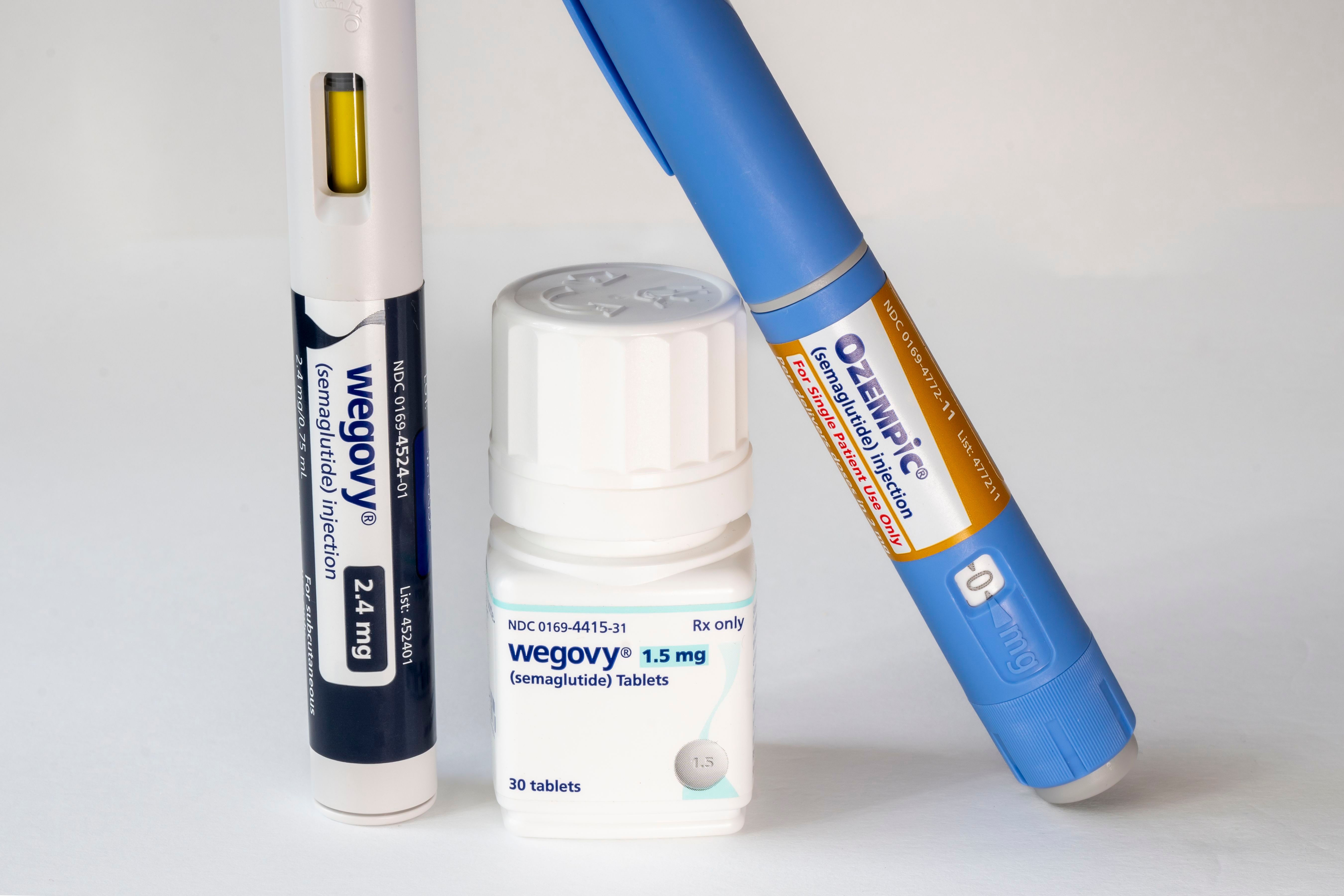
As the use of GLP-1 receptor agonists like Ozempic surges, a growing body of research is raising red flags about potential nutritional shortfalls among patients. These medications, which suppress appetite and slow gastric emptying, are highly effective for weight loss, but they also reduce overall food intake—a side effect that may leave users deficient in essential nutrients.
Physicians and nutrition scientists are increasingly concerned that the very mechanism that makes these drugs work—reducing hunger—can also lead to inadequate intake of protein, fiber, and key vitamins. A recent analysis highlights several specific nutrients at risk: protein, fiber, vitamin B12, vitamin D, and electrolytes, all of which are critical for maintaining muscle mass, bone health, and overall metabolic function.

Protein and muscle loss
Protein deficiency is particularly worrisome because inadequate protein intake during rapid weight loss can accelerate the loss of lean muscle mass, a condition known as sarcopenia. "Patients may lose weight, but if a significant portion is muscle, that can have long-term metabolic consequences," said Dr. Emily Carter, a bariatric physician at a major teaching hospital. "We're seeing more cases of muscle wasting in patients on these drugs who aren't consuming enough protein."
Vitamin D and bone health
Vitamin D deficiency is another common concern. Since vitamin D is fat-soluble and often found in dairy and fatty fish, reduced caloric intake can easily lead to shortfalls. Vitamin D plays a crucial role in calcium absorption and bone density, and chronic deficiency may increase the risk of fractures and osteoporosis.
"Many patients on GLP-1 drugs are older adults who already have higher vitamin D needs," noted nutrition researcher Dr. Sarah Lin. "The combination of reduced food intake and age-related absorption issues can create a perfect storm for deficiency."
Fiber and gut health
Fiber intake also tends to drop when patients eat less, which can affect digestive health and the microbiome. "Fiber is not just for regularity; it feeds beneficial gut bacteria and helps regulate blood sugar," explained Dr. Lin. "Patients on these drugs often report constipation, which may be exacerbated by low fiber intake."
Electrolyte imbalances, particularly sodium, potassium, and magnesium, are also possible, especially if patients experience nausea or vomiting, common side effects of GLP-1 therapy. These imbalances can lead to fatigue, muscle cramps, and in severe cases, cardiac arrhythmias.
Calls for monitoring and supplementation
Experts argue that patients starting GLP-1 medications should undergo baseline nutritional assessments and receive ongoing dietary counseling. "We need to treat these drugs as part of a comprehensive weight-management plan that includes nutrition support," said Dr. Carter. "Simply prescribing the medication without addressing diet is a missed opportunity—and a potential risk."
Some clinicians are already recommending routine blood tests for vitamin D, B12, and iron levels, as well as protein intake tracking. In cases where deficiencies are detected, supplementation may be necessary. "We're seeing more patients on these drugs who need vitamin D and B12 shots," said Dr. Lin.
The findings come as the popularity of GLP-1 drugs continues to soar, with millions of prescriptions worldwide. A separate review recently found that while these medications can ease sleep apnea, they are not a substitute for CPAP therapy—a reminder that they are not a panacea. Similarly, the nutritional concerns underscore the need for a holistic approach to patient care.
For now, the consensus among experts is clear: close monitoring of nutritional status is essential for anyone taking GLP-1 medications. "We're not saying these drugs are bad," Dr. Carter emphasized. "But we are saying that patients and providers need to be proactive about preventing deficiencies."