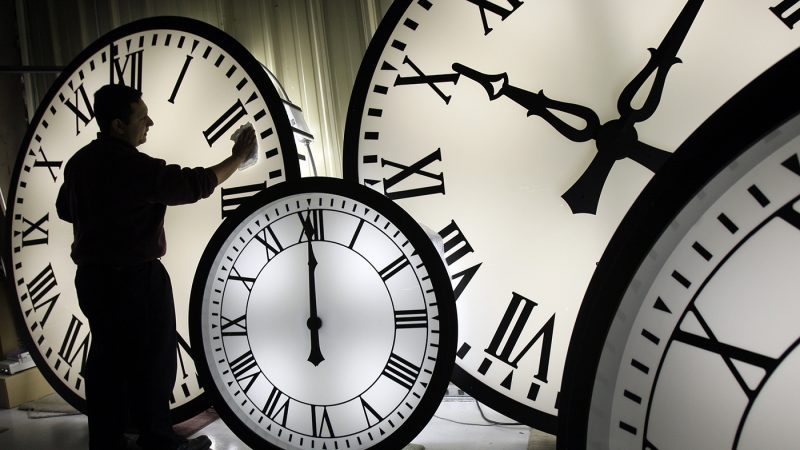
With the end of daylight saving time just a week away, Americans are bracing for the familiar ritual of turning clocks back an hour. But this year, the annual time change could have been the last one—if any of three legislative approaches had succeeded. Instead, the U.S. will again fall back in November, and the debate over permanent time remains unresolved.
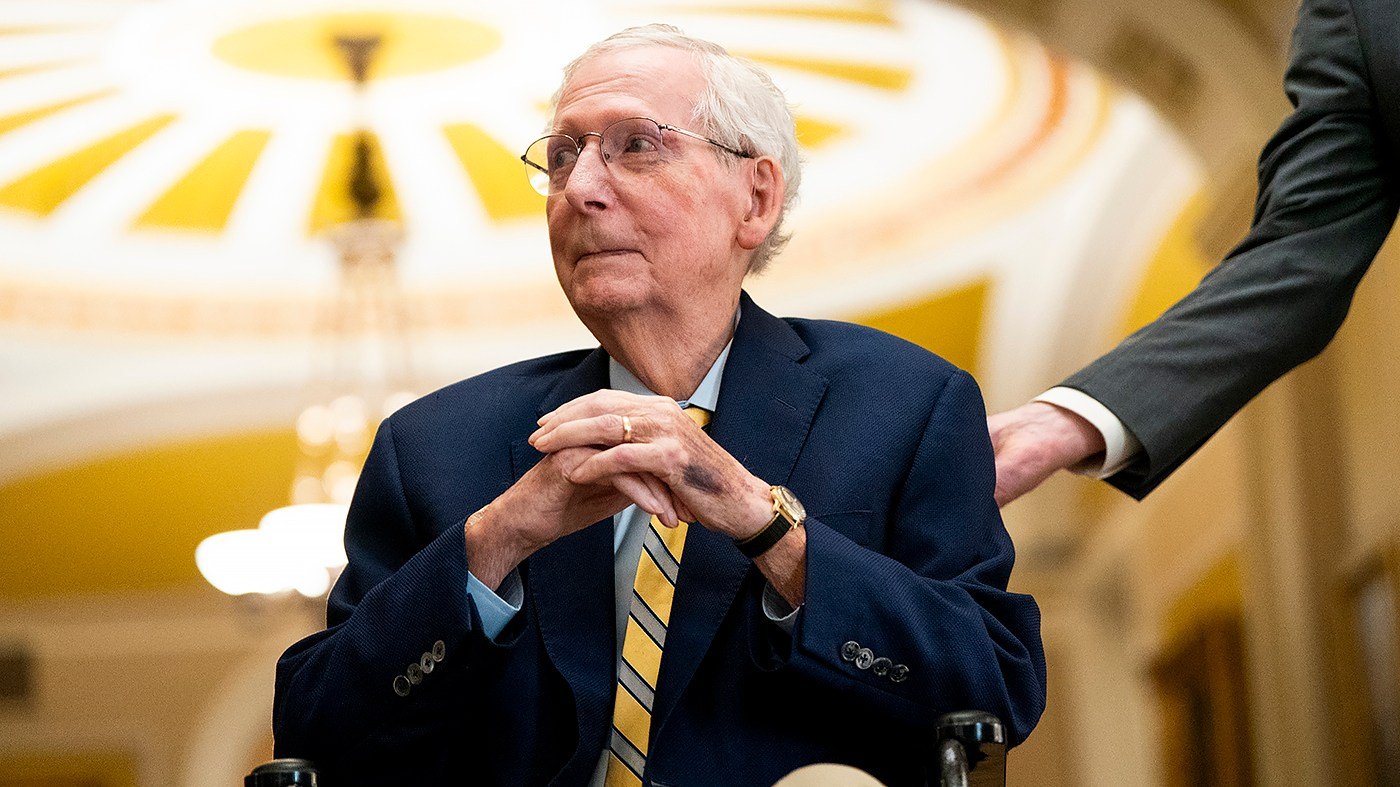
The most prominent effort was the Sunshine Protection Act, which would have made daylight saving time permanent nationwide. The bill passed the House with bipartisan support and President Trump had signaled he would sign it. However, the Senate adjourned without a vote, and Majority Leader John Thune has indicated there is no "clear path forward." The legislation is now stalled, with the Senate not expected to reconvene until after the midterm elections.
Three Approaches Considered
Beyond the Sunshine Protection Act, lawmakers weighed two other strategies. One was to keep standard time year-round, a move favored by some health experts and school groups who argue that permanent daylight saving time would lead to darker winter mornings, posing safety risks for children heading to school. The other approach was to maintain the current system of biannual changes, effectively doing nothing.
Each option had its advocates and detractors. Proponents of permanent daylight saving time point to economic benefits, reduced energy consumption, and more evening daylight for recreation. Opponents, including many in the education and health sectors, warn of disrupted sleep patterns and the potential for more accidents in the dark. The debate has been further complicated by growing Senate resistance over school schedule disruptions.
Why Congress Has Failed to Act
The failure to reach a consensus highlights the deep divisions on the issue. While the Sunshine Protection Act had momentum, it ultimately fell victim to a crowded legislative calendar and the looming election. Why Congress failed to change daylight saving time this year can be traced to a mix of procedural hurdles and competing priorities.
Some lawmakers have also questioned whether the federal government should dictate time policy at all, suggesting the issue might be better left to states. That sentiment has been echoed in why Congress keeps dodging the permanent daylight saving time debate, as members avoid taking a definitive stance ahead of elections.
What Happens Next
For now, the U.S. will continue to switch clocks twice a year. The next opportunity for change could come in the lame-duck session after November's elections, but with a divided Congress and a long list of other priorities, the path forward remains uncertain. As the debate drags on, Americans can at least count on the extra hour of sleep this weekend—a small consolation in a perennial political standoff.