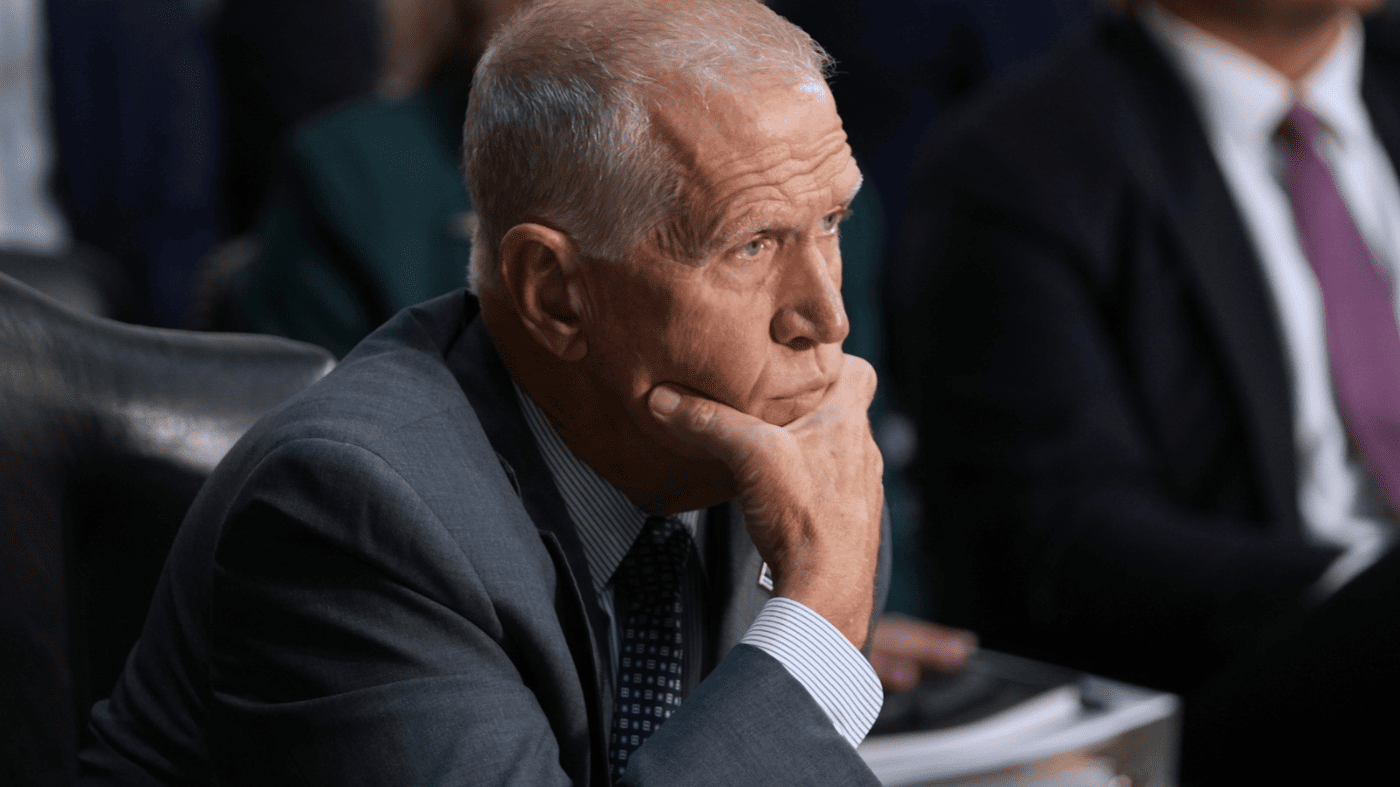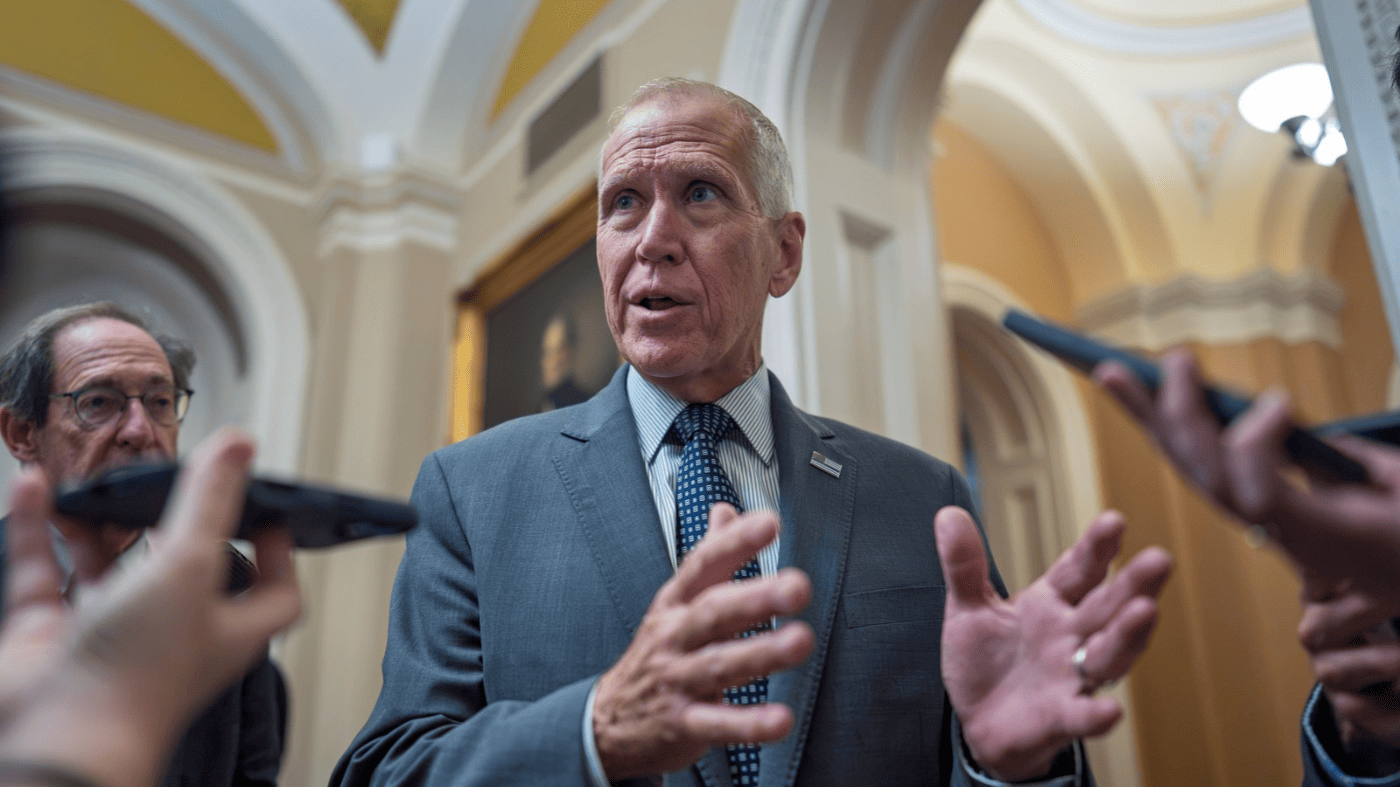
Sen. Thom Tillis (R-N.C.) on Sunday defended the Department of Justice's decision to scrutinize Alaska's Senate race, where two candidates with nearly identical names appeared on the ballot, saying it's “appropriate to take a look at” the outcome.
Appearing on CBS News' Face the Nation, Tillis noted that one of the candidates, Republican Sen. Dan Sullivan, is a close colleague who entered the Senate alongside him in 2014. “Alaska has a candidate who just coincidentally happens to be the same name as my friend and colleague,” Tillis told host Margaret Brennan. “So I think it's appropriate to take a look at it.”
DOJ Lawsuit Raises Questions
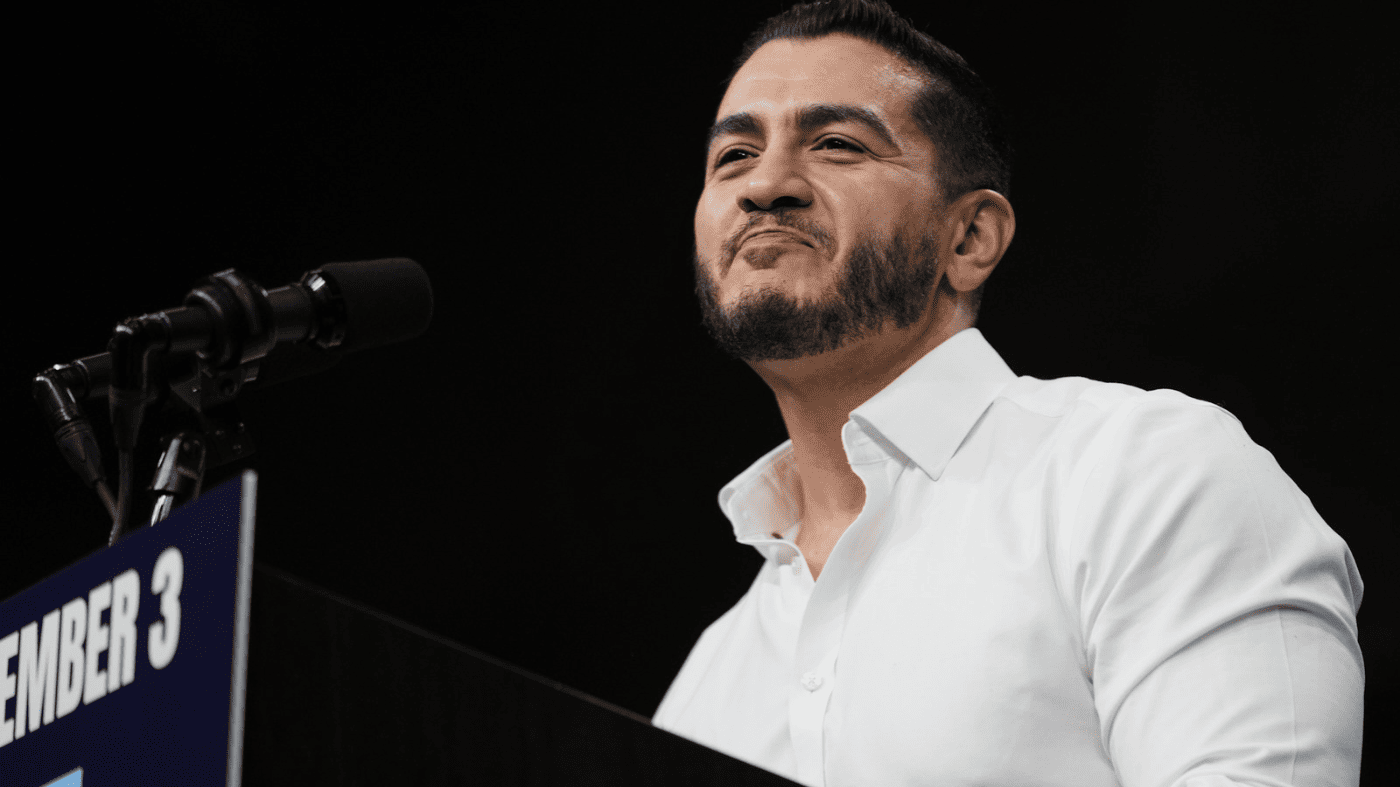
The DOJ filed suit last Thursday, arguing that the presence of a candidate named Daniel J. Sullivan on the ballot could confuse voters and potentially invalidate a victory by Democrat Mary Peltola. The lawsuit seeks to ensure ballots are preserved and a process exists to determine if confusion occurred. Attorney General Todd Blanche, who appeared earlier on the same program, explained that the department is “asking the court to step in where the Alaska Supreme Court didn't, which is to look at federal law and, if necessary, to allow a process for Alaska to decide who should be certified as a winner.”
Blanche emphasized that the suit is not about blocking certification. “All we were doing is trying to put guardrails in place so that if that happens, there's a system allowed where the ballots are kept in a way so that we can determine whether there was confusion,” he said. “It's not saying, 'Don't certify.'”
Tillis: Preemptive Posture Questionable
Tillis, however, expressed uncertainty about the need for a lawsuit. “I'm not sure why they had to file a lawsuit other than, as [Blanche] said earlier, make sure that you have the ballots right so we can be certain that the Democrats were not successful in confusing voters,” he said, suggesting that a more measured approach might have been better. He added that filing suit “before anything that could be substantiated” was “almost a preemptive, presumptive posture” compared to simply telling Alaska election officials that federal officials would be watching closely.
Brennan raised concerns from Sen. Lisa Murkowski (R-Alaska), who has criticized the DOJ's action, saying “when it came to the ballot, Alaskans don't need help.” Tillis acknowledged Murkowski's expertise: “There are very few people that know Alaska better than Lisa, to be honest with you. Lisa Murkowski is a friend and an extraordinary member of the U.S. Senate.” He stopped short of fully endorsing her opposition, but his comments suggest fissures within the GOP over the DOJ's intervention.
GOP Accusations of 'Gaming the System'
Tillis accused Democrats of “gaming the system” by allowing Daniel J. Sullivan's name to appear on the ballot. In Alaska's top-four primary system, the top vote-getters advance to the general election, which uses ranked-choice voting. While the two Sullivans share a name, the ballot distinguishes them: Sen. Sullivan is labeled “incumbent” and “Republican,” while Daniel J. Sullivan has no such designations.
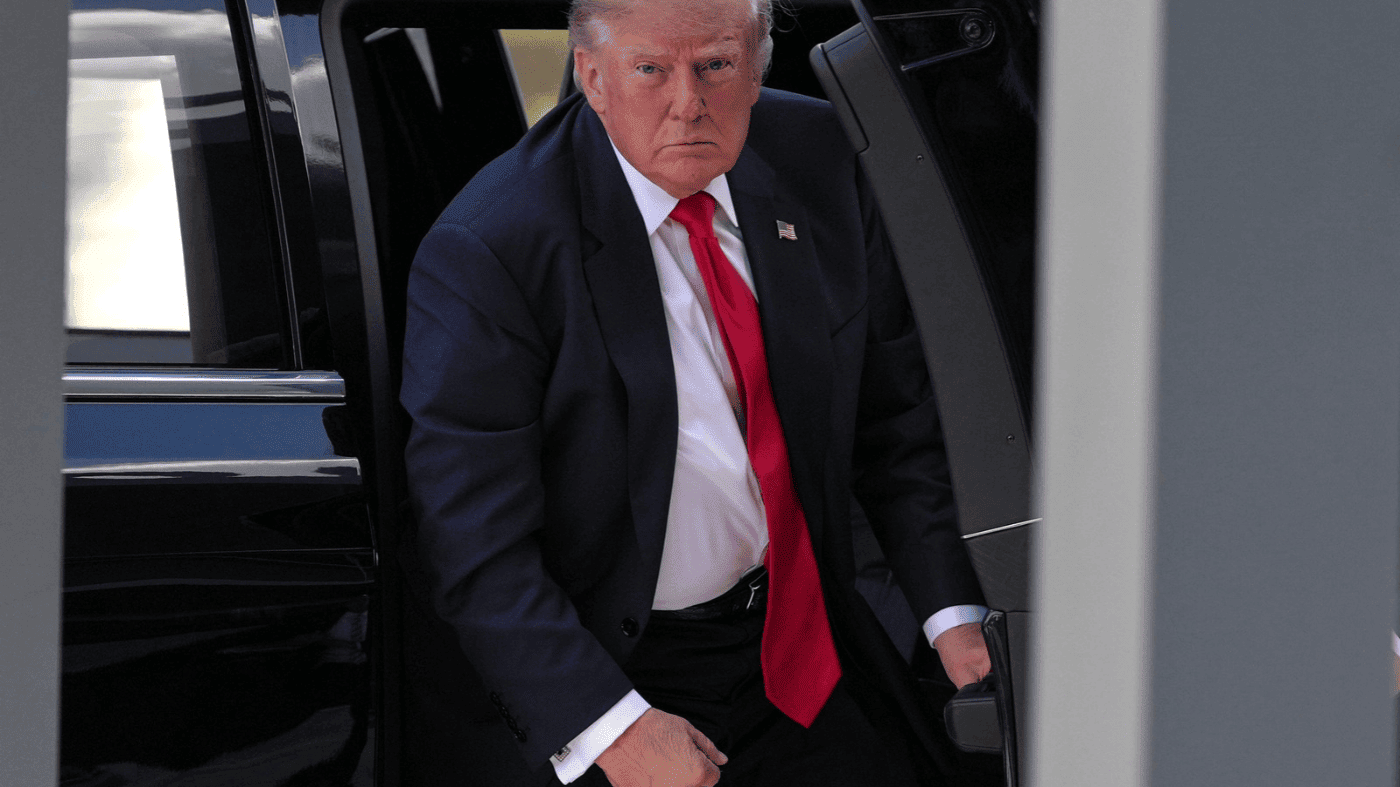
The DOJ's lawsuit has sparked a broader debate over election integrity and federal oversight, with President Trump alleging a 'scam' and claiming he personally directed the DOJ to act. Trump told reporters on Friday, “I'm the one who said, 'Do it.'” Blanche, however, declined to confirm Trump's involvement, saying only that the president had not directed him on camera.
The controversy has also intensified tensions between Trump and Murkowski, a frequent critic of the president. Meanwhile, Peltola has called the lawsuit a desperate GOP power grab, and election observers are watching to see if the DOJ's move sets a precedent for federal intervention in state elections.
As the midterms approach, the DOJ's increased election scrutiny is likely to remain a flashpoint, with Republicans divided over the proper role of federal authorities in certifying state races.