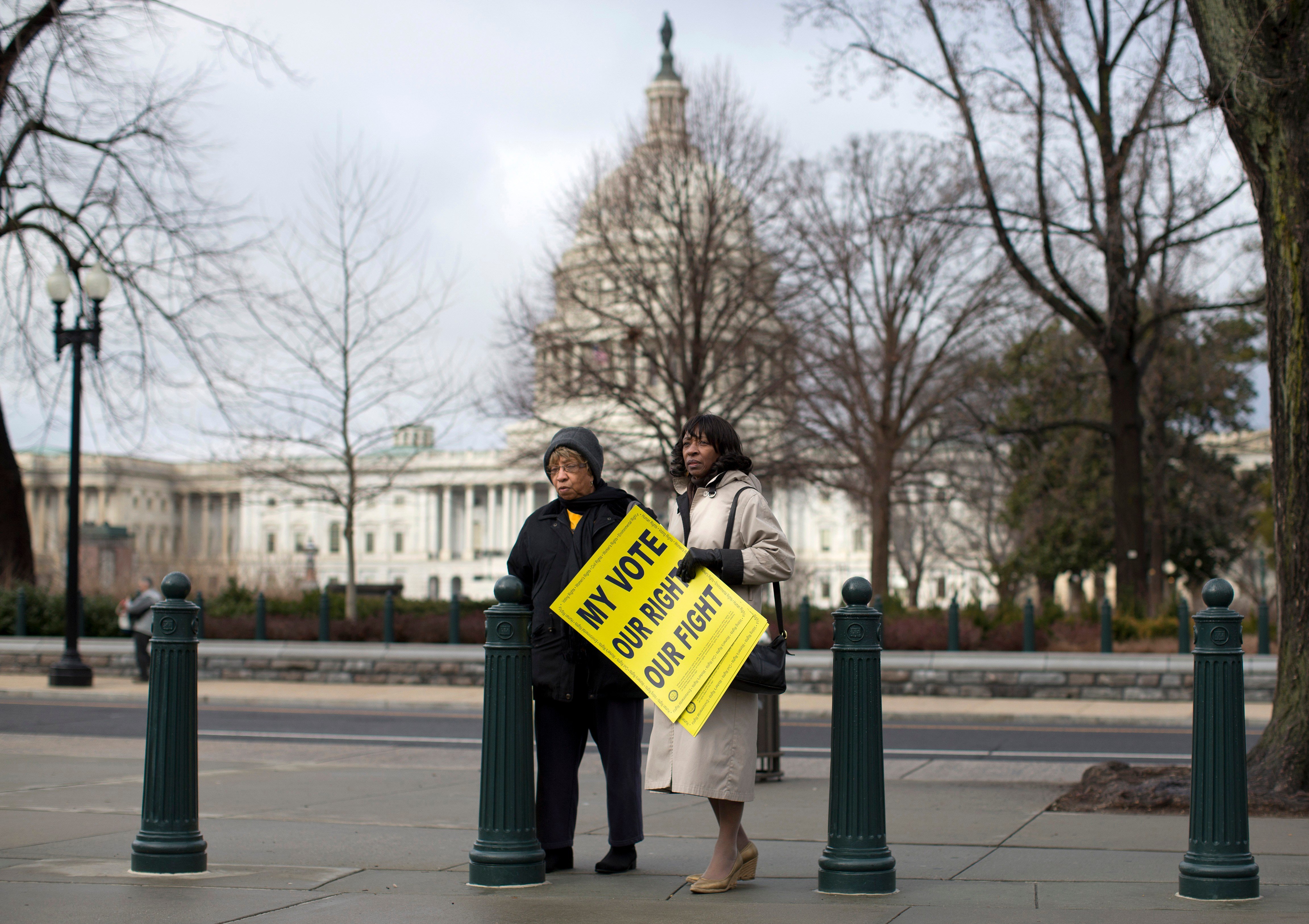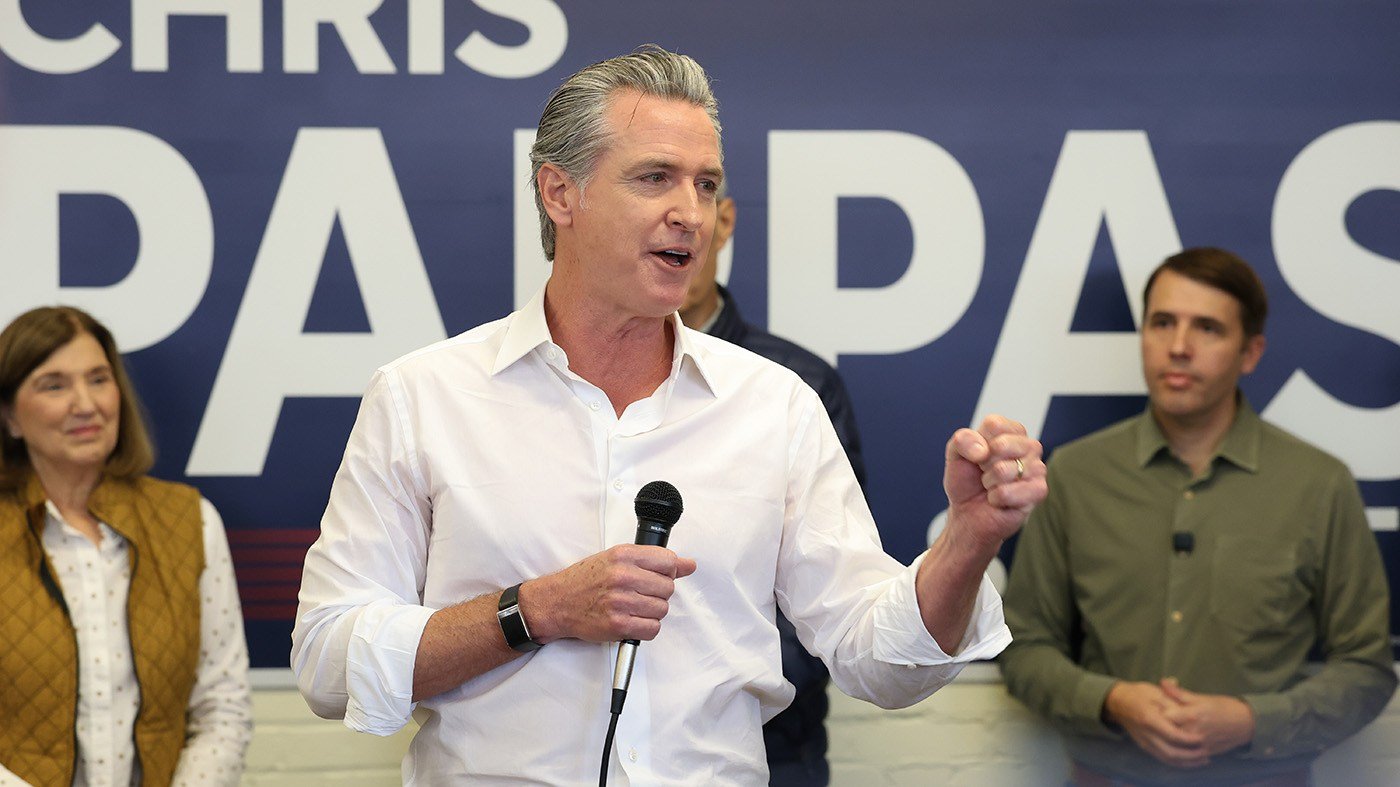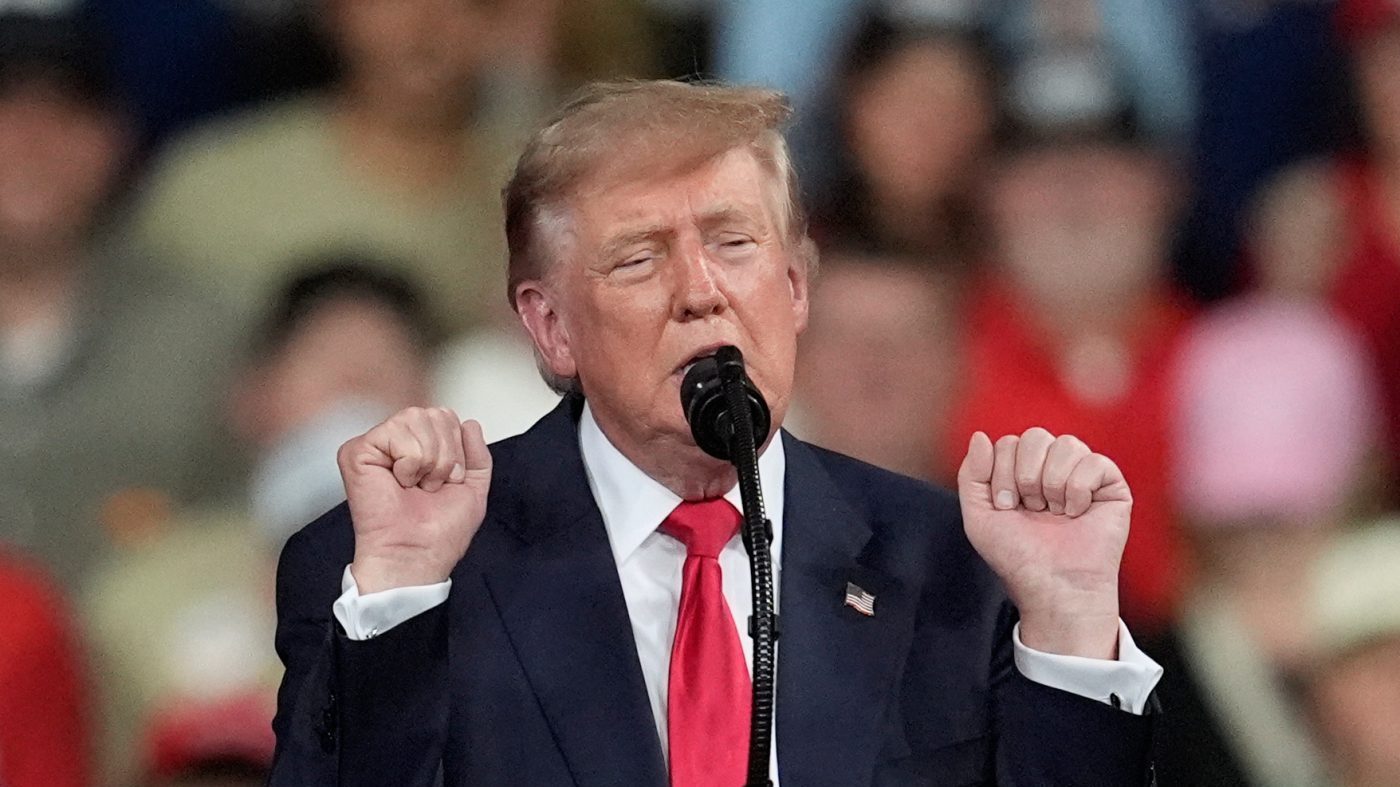
With the midterm elections now less than two weeks away, the Trump administration is intensifying its focus on election integrity, warning of potential voter fraud and signaling it may intervene in how states certify their results. The Department of Justice has taken a particularly aggressive stance, sending letters to California election officials on Friday that demanded they identify any noncitizens on the state's voter rolls or face "significant federal scrutiny."
The DOJ's move has set the stage for a legal showdown. An emergency hearing is scheduled for Sunday at 1 p.m. EDT to determine whether California must segregate ballots cast by roughly 20,000 individuals the department claims are noncitizens. The outcome could have major implications for the state's vote count in the upcoming election.
Attorney General Todd Blanche is set to defend the administration's actions on the Sunday talk show circuit, appearing on CBS News's "Face the Nation" and CNN's "State of the Union." Meanwhile, California Senator Adam Schiff, a Democrat and frequent critic of the president, will represent the opposition on NBC News's "Meet the Press." The dueling appearances underscore the partisan divide over election administration just days before voters head to the polls.
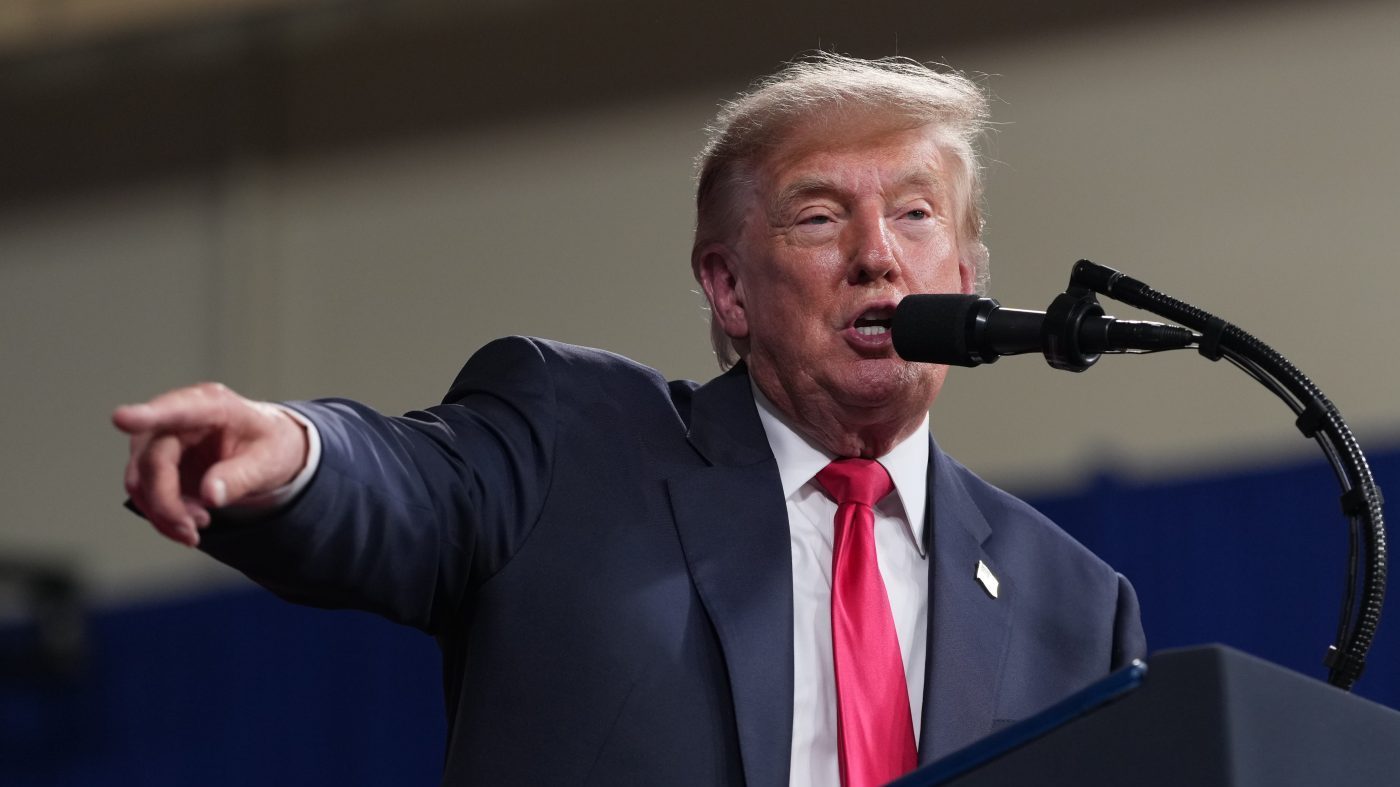
President Trump, who spent the morning at his Mar-a-Lago estate, is traveling to Port Huron, Michigan, for a 2 p.m. rally. The visit comes as the state's Senate race tightens between Republican former Representative Mike Rogers and Democratic challenger Abdul El-Sayed. Trump has been ramping up his rally schedule in key states as the GOP seeks to maintain its narrow congressional majorities.
This latest push on election scrutiny follows a broader pattern of the administration's pre-midterm messaging. The DOJ's actions in California are part of a wider effort to investigate potential voter fraud, a theme Trump has repeatedly emphasized. Critics, however, argue that these measures are designed to suppress voter turnout, particularly in Democratic-leaning states.
The emergency hearing on Sunday will be closely watched, as it could set a precedent for how other states handle similar challenges. Legal experts are divided on the merits of the DOJ's demands, with some noting that the department's authority to compel such segregation is unclear. The administration's willingness to wade into state election processes has raised concerns about federal overreach, even as supporters insist it is necessary to ensure the integrity of the vote.
As the midterms approach, both parties are mobilizing their bases. Democrats, led by figures like former President Barack Obama and Vice President Kamala Harris, have been crisscrossing the country to rally support. Republicans, meanwhile, are relying on Trump's drawing power in states like Michigan, where his rallies have drawn large crowds but also sparked protests.
In addition to the election battles, the administration is also dealing with other pressing issues, including ongoing legal challenges to its policies and international developments. The president's focus on Michigan, a state he narrowly lost in 2020, signals the importance of the Senate race there, which could determine control of the chamber. With polls showing a tight contest, every vote will count, making the DOJ's actions in California all the more contentious.
For now, all eyes are on Sunday's hearing and the president's rally, as the nation braces for a pivotal election day. The outcome of these legal and political maneuvers could shape the landscape for years to come, with both sides digging in for a bitter fight over the rules of democracy itself.