Dozens of medical professionals are jumping into congressional and statewide races this midterm season, part of a coordinated Democratic effort to counter the outsized influence of the Make America Healthy Again (MAHA) agenda on national health policy. With seven physicians and at least 14 nurses running for the House alone, the number of healthcare providers on the ballot outnumbers the 24 currently serving in Congress.
The physician candidates include prominent Democrats such as Abdul El-Sayed in Michigan, Annie Andrews in South Carolina, Amish Shah in Arizona, and Richard Pan in California. On the Republican side, neurosurgeon John Cowan of Georgia and internist Ralph Alvarado of Kentucky are also seeking House seats. Many have leaned on their front-line experience during the COVID-19 pandemic and their familiarity with public health emergencies to argue they are uniquely qualified for federal office.
Trust in Doctors Drives Candidacies
Polling consistently shows that physicians rank among the most trusted professionals in America, a fact the Democratic Party is eager to exploit. A KFF Tracking Poll released in June found that more respondents trusted their own doctor than the FDA, CDC, President Trump, or Health Secretary Robert F. Kennedy Jr. Similarly, an Annenberg Public Policy Center survey in March reported that 86% trusted their primary care provider for health information, compared to just 38% for Kennedy.
“People are really looking for public servants,” said Celinda Lake, a Democratic strategist and president of Lake Research Partners. “They really love their local firefighters, teachers, nurses, doctors. They really trust them, and trust and honesty is the number one trait that people are looking for right now in a political official.”
MAHA’s Unintended Recruiting Effect
Campaign strategists say that the extreme healthcare policies pushed by the MAHA movement have galvanized medical professionals to run. “What MAHA has been good for is recruiting them, because so many of them see what’s going on and feel like they have to speak up,” Lake said. “A lot of medical professionals have no desire to enter into politics, and this is a fairly new field for them. MAHA helped energize them to run.”
Pediatrician Annie Andrews, who is challenging Republican Sen. Darline Graham in South Carolina, has said she decided to run after Kennedy was nominated to lead the Department of Health and Human Services. Similarly, Richard Pan, a former California state senator and pediatrician, says he is running because Congress needs people with the training to “hold this administration accountable.”
314 Action and the Year of the Doctor
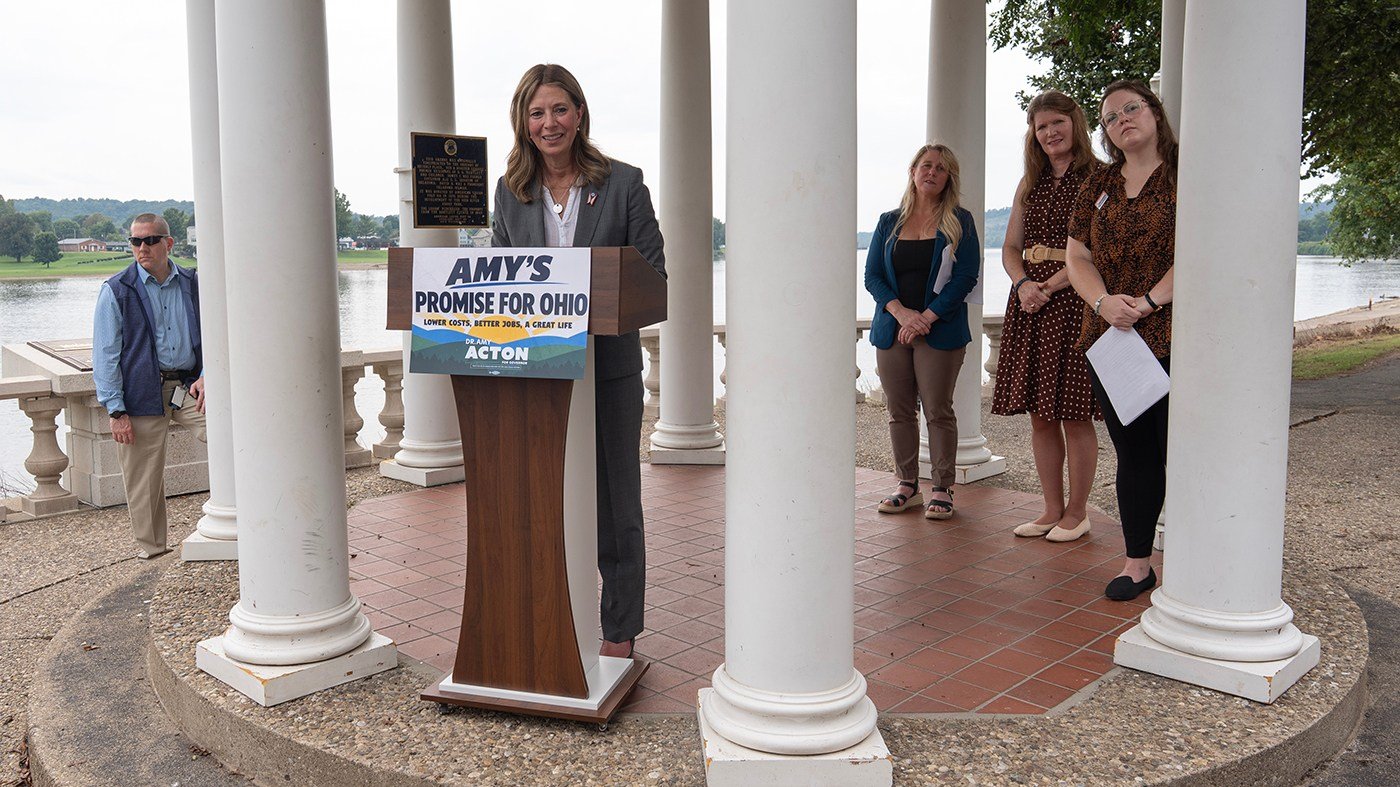
The political action committee 314 Action, which supports Democratic STEM candidates, has declared 2026 the “year of the doctor” and launched its Guardians of Public Health campaign to recruit more healthcare professionals. The group is backing more than 120 medical professionals in congressional and state legislative races, including Amy Acton, the Democratic nominee for Ohio governor and former state health director. Her race drew national attention after an attack ad from her opponent Vivek Ramaswamy featured her estranged mother.
“We are really excited about her race, and she really draws a stark contrast between a serious candidate who is looking to serve her community in a new way, and whatever you want to call Vivek Ramaswamy,” said 314 Action President Shaughnessy Naughton.
Historic Implications and Tight Races
Should either Andrews or El-Sayed win, they would be the first Democratic physician in the Senate since Ernest Gruening left office in 1969. Andrews would be the first practicing Democrat in the Senate since Royal Copeland’s term ended in 1938. El-Sayed, who graduated from medical school but never completed a residency or held a license, has faced attacks from his opponent on that front. Recent polling shows both races are extremely tight, with neither candidate holding a clear lead.
With early voting surging in key states, the outcome of these races could hinge on voter trust in medical professionals. As battleground governor races heat up, Democrats are betting that a white coat still carries weight at the ballot box.