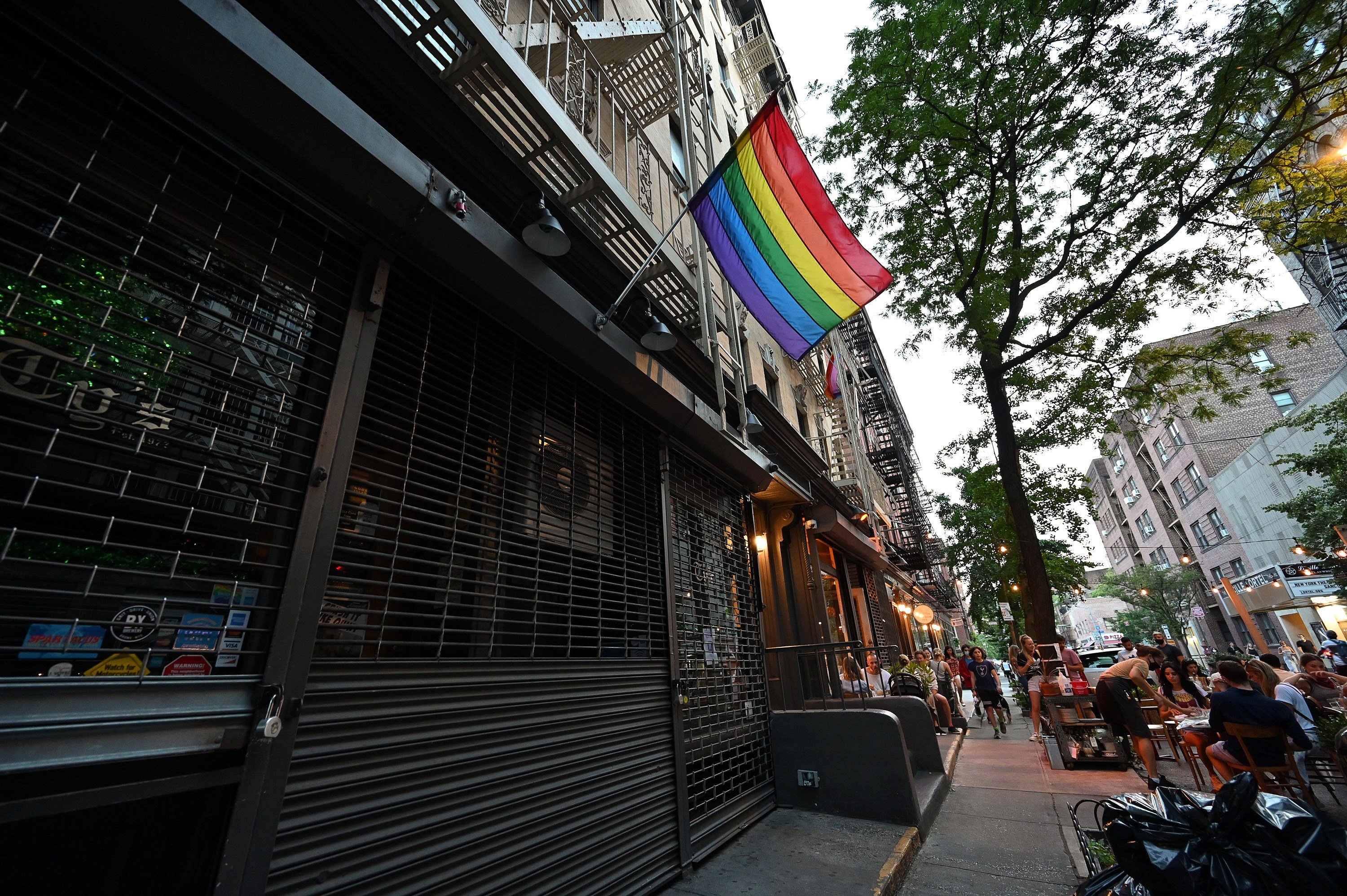
The recent closures of several progressive-leaning businesses across the United States have sparked a debate about the viability of cause-driven enterprises. In April, Denver's only lesbian bar shut its doors, citing financial strain after internal disagreements. Similarly, The Ruby Fruit, a Los Angeles bar, closed in 2025 following a fire and employee complaints about workplace policies. A New York feminist bookstore, which touted itself as "radically inclusive," also ceased operations, attributing its closure to financial, health, and structural challenges, as well as what it described as "racist, classist violence from neighbors."
In Philadelphia, the pattern is evident. Mina's World, a coffee shop emphasizing social justice, closed in 2022, and Marsha's, the city's "first women's sports bar," has also shut its doors. These closures are not isolated incidents but part of a broader trend where businesses built around progressive ideals struggle to stay afloat.
High Failure Rates and Ideological Overreach
The bar and restaurant industry already faces high failure rates, but some entrepreneurs are making it harder on themselves by prioritizing ideological solidarity over sound business practices. A 40-year-old gay bar in Salt Lake City closed last year after employees attempted to unionize and ongoing protests became financially untenable. Even The Last Ditch, a bar in western Massachusetts that gained international attention for its mask mandate, is barely surviving amid financial pressure and public backlash.
These businesses often lack the fundamentals needed for success. Founders may not have formal business education or conduct adequate market research. For instance, while women's sports have grown in popularity, it's unclear if there are enough local fans to support a dedicated sports bar. Many are undercapitalized, as evidenced by The Last Ditch owner who admitted to living out of her car. Without a solid financial plan, good intentions cannot pay rent or make payroll.
Customer Base and Employee Dynamics
Progressive businesses tend to attract a younger, more mobile demographic that is often less reliable. These customers may be more idealistic than realistic, and employees frequently demand rights and guarantees that are difficult to sustain. They sometimes clash with management, and customers may spend more time engaging with the business's mission than with its products. A recent Bentley-Gallup survey found that 53% of Americans believe businesses should stay out of public debates, suggesting that many consumers prefer to separate commerce from politics.
This is not to say that all progressive businesses fail. Patagonia, for example, has successfully integrated activism with profitability. However, when a business's political mission overshadows its core functions—serving customers, managing finances, and generating profit—failure becomes more likely.
In contrast, Woody's, a gay bar in Philadelphia that has thrived for decades, offers a lesson in balance. While its owners likely support similar causes, they focus on inclusivity and customer experience, offering a judgment-free space with just beer and music. This approach has attracted a diverse clientele, both straight and gay, ensuring its longevity.
Profitability as a Means to Support Causes
Businesses exist to generate profits. They need customers from all walks of life and employees who do not discriminate based on political beliefs. As Don Draper famously said, "That's what the money's for!" Chick-fil-A, despite its controversial history regarding gay rights, has become one of America's most successful chains. Its executives understand that you don't have to agree with your customers to take their money.
For those who want to fight racism, support transgender rights, or save the planet, the path is clear: build a profitable business that treats employees fairly and welcomes diverse customers. Then use those profits to advance your cause. If the business fails, it helps no one, and as Gene Marks, founder of the Marks Group, notes, "Your landlord couldn't care less how progressive you are."