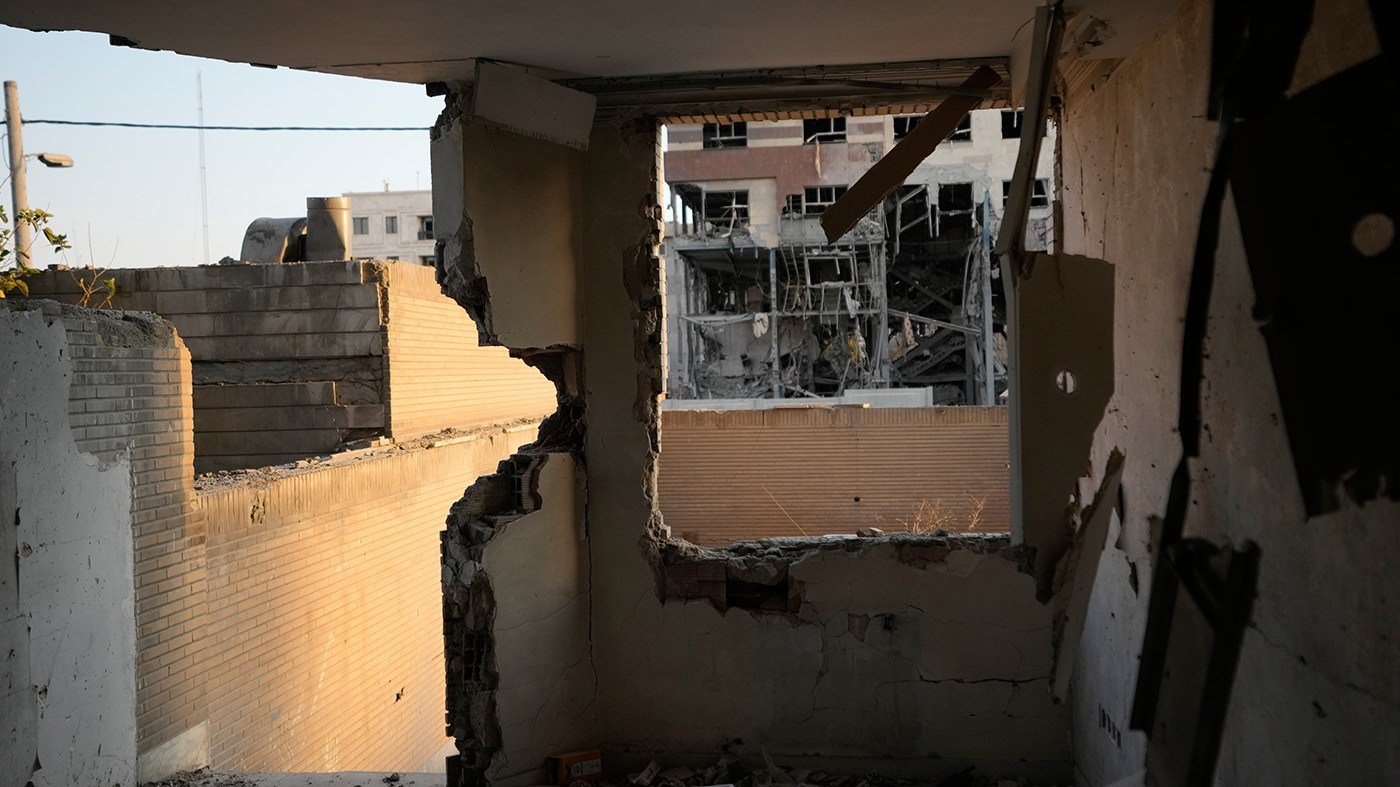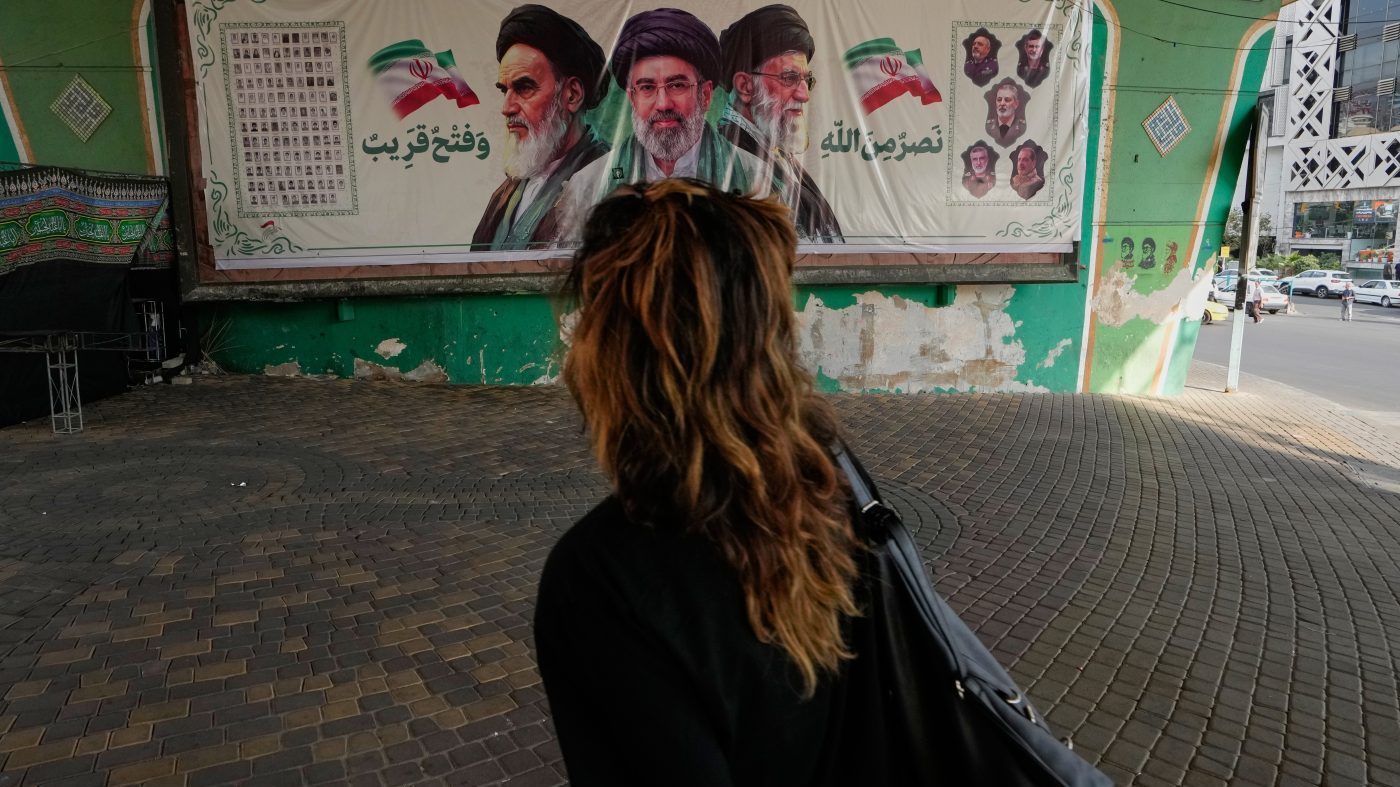
As the United States and Israel head into pivotal elections, many Iranians are bracing for a possible resumption of military strikes against their country, according to interviews conducted by the Associated Press. The concern is acute in Tehran, where residents describe a palpable sense of unease and some say they are ready to leave the capital if attacks resume.
The anxiety is fueled by President Donald Trump's repeated threats to destroy Iran's civilian infrastructure, including its energy grid, and by the possibility that Israeli Prime Minister Benjamin Netanyahu could retain power. With the U.S. midterm elections scheduled for next month and Israel's vote set for Tuesday, the window for a potential escalation appears to be closing, but many Iranians believe the danger is far from over.

Tehran residents prepare for the worst
Sasan Karimi, a professor of foreign policy at the University of Tehran and a former government official, told the AP that Iran's leadership has concluded that Trump will authorize new strikes regardless of the election outcome. “They’ve accepted that he will attack us again, before or after the elections,” Karimi said, adding that Iranians are “planning for scenarios so they can take remedial measures.”
Hashem Vajdani, a gym trainer, told the outlet he has already packed his belongings to move to a safer town in the north. “Today I bought more canned food, crackers and extra blankets,” he said.
The most pressing concern among those who spoke with the AP is the potential civilian death toll if a conflict resumes, particularly given Trump's threats to target civilian infrastructure.
Israel's election could shape Iran's fate
Rahman Ghahremanpour, a Tehran-based analyst, said the outcome of Israel's election could determine Iran's near-term future. If Netanyahu remains in power, Ghahremanpour warned, the risk of all-out war increases because of his willingness to take major risks. The conflict has been at a standstill in recent months, with Iranian President Masoud Pezeshkian accusing the U.S. of disrupting negotiations while Trump continues to issue bellicose statements.
Trump and Netanyahu both face potential losses in their respective elections. The Iran war is widely unpopular among Americans, and Israelis are divided on how to confront Iran's perceived threat, according to NPR. Natan Sachs, a senior fellow at the Middle East Institute, told NPR that a Netanyahu victory would be a “shocking surprise.”
“Israel’s position regarding confrontation with Iran is that it’s not going to be the dove in this conversation,” Sachs said. “So really President Trump is the one who holds the keys here. Israel will be keen to degrade Iran’s capacity and, much more broader than that, the way Netanyahu has put it, to promote regime change in Iran that he still believes can be done or should be done partly through the use of force.”
Trump has warned he could resume strikes on Iran after the midterms. U.S. Central Command has plans ready to conduct follow-up strikes against Iran if authorized by the White House, a source aware of the plans, who spoke on condition of anonymity, previously told The Hill.
The political dynamics in both Washington and Jerusalem are also being shaped by advanced Iranian plots against U.S. officials, according to intelligence warnings. Meanwhile, Steve Bannon has broken with Trump over his endorsement of Netanyahu ahead of the Israeli vote, underscoring the fractious nature of the debate.
For Iranians, the prospect of renewed strikes is not just a political calculation but a matter of survival. As one Tehran resident put it, “We are used to threats, but this time it feels different.”