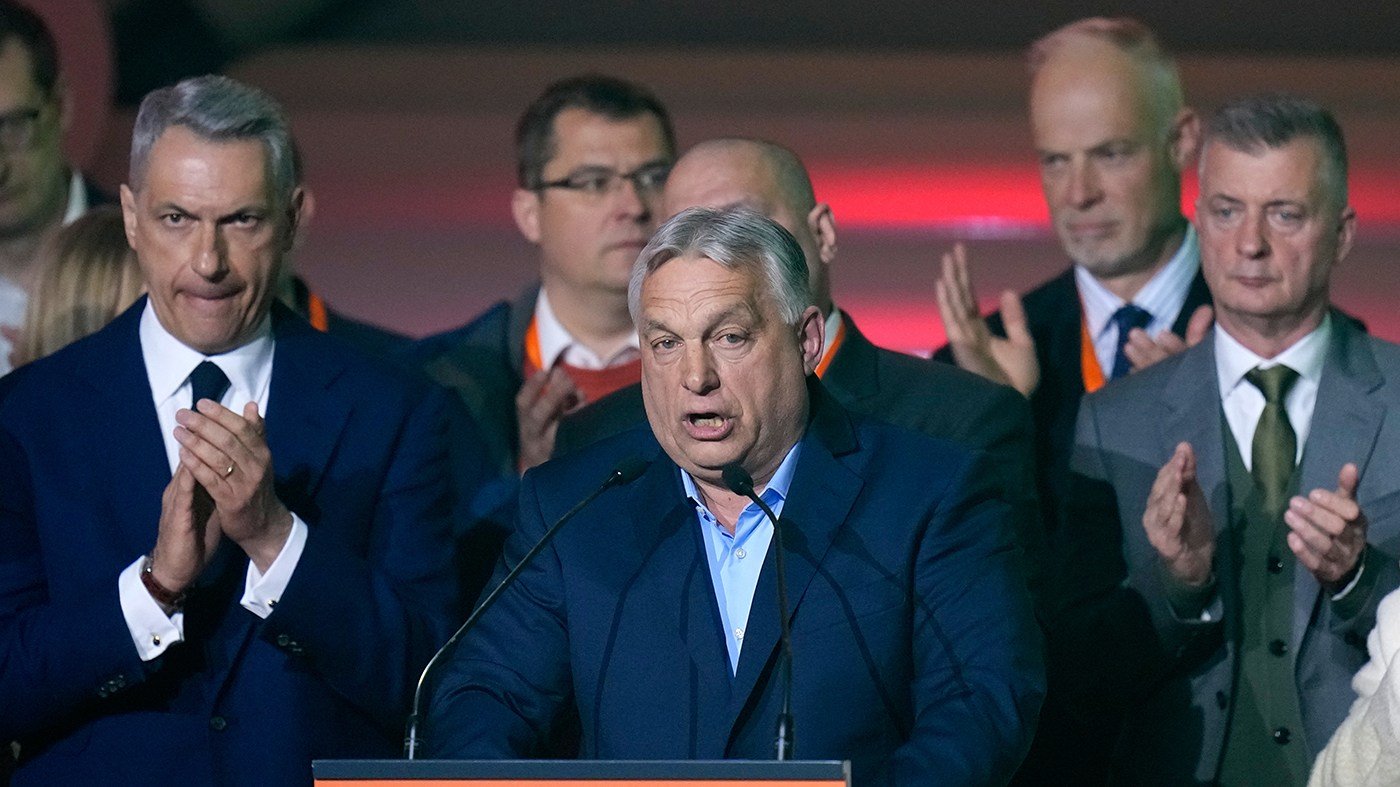
President Trump's reported consideration of Hungarian Prime Minister Viktor Orbán as a nominee for United Nations secretary-general has drawn scorn from world leaders, who view the idea as both improbable and ill-suited for the top diplomatic post.
Polish Prime Minister Donald Tusk dismissed the notion as “funny,” noting that Orbán had recently been floated for a different role entirely. “Just a moment ago, he was a candidate for president of the European Commission,” Tusk said, according to Politico, referencing earlier speculation about Orbán leading the EU's executive branch.
The Wall Street Journal reported that the U.S. has encouraged Orbán to enter the race for UN secretary-general, citing sources from three countries. A State Department official told the Journal that eight votes on the Security Council already favored Orbán, with ten of the fifteen members within reach. However, the path to the required nine votes—and no veto from any permanent member—remains steep.
Ukrainian Foreign Minister Andrii Sybiha was openly skeptical, writing on social media that Orbán would “put to good use the masterful veto and blackmail skills he has developed over years of derailing major EU decisions.” Sybiha added, “We can share with the rest of the world our great experience of taking him out for coffee at the right moment,” a jab at Orbán's history of blocking EU consensus.
Orbán's record includes criticism for undermining judicial independence, attacking press freedom, and tolerating corruption—issues that some diplomats say would make him a polarizing choice for a role that requires impartiality and consensus-building. Shashi Tharoor, a senior Indian opposition leader and former UN secretary-general candidate, questioned Orbán's viability, asking, “What are the odds of @PM_ViktorOrban actually getting the minimum nine votes required from non-permanent members of the @un Security Council? I wouldn't rate them too highly!”
The selection process for the next UN secretary-general began in 2025, with seven candidates currently listed on the UN's website. Orbán is not among them. To be elected by the General Assembly, a candidate must first receive a recommendation from the Security Council, requiring at least nine votes and no veto from any of the five permanent members—China, France, Russia, the UK, and the US. This high bar has made the search for a new leader difficult.
Domestically, the idea has also met with resistance. Rep. Don Bacon (R-Neb.) called it a “terrible choice” on social media. Trump has previously endorsed Orbán's reelection and hosted him at the White House last year, where Orbán sought an exemption to continue importing Russian oil despite US sanctions—a request that underscores his close ties to Moscow.
Given Orbán's contentious relationships with EU partners and his reputation for obstruction, his potential nomination would likely face fierce opposition from many member states. The Trump administration's Russia policy has already drawn criticism from figures like Mitch McConnell, who warned that the approach is “certain to fail.” Adding Orbán to the mix would further complicate US diplomatic standing.
While the reports remain unconfirmed, the reaction from both European and American quarters suggests that Orbán's path to the UN's top job is fraught with political and procedural hurdles. The coming months will test whether Trump's reported push gains any traction or fades amid global skepticism.