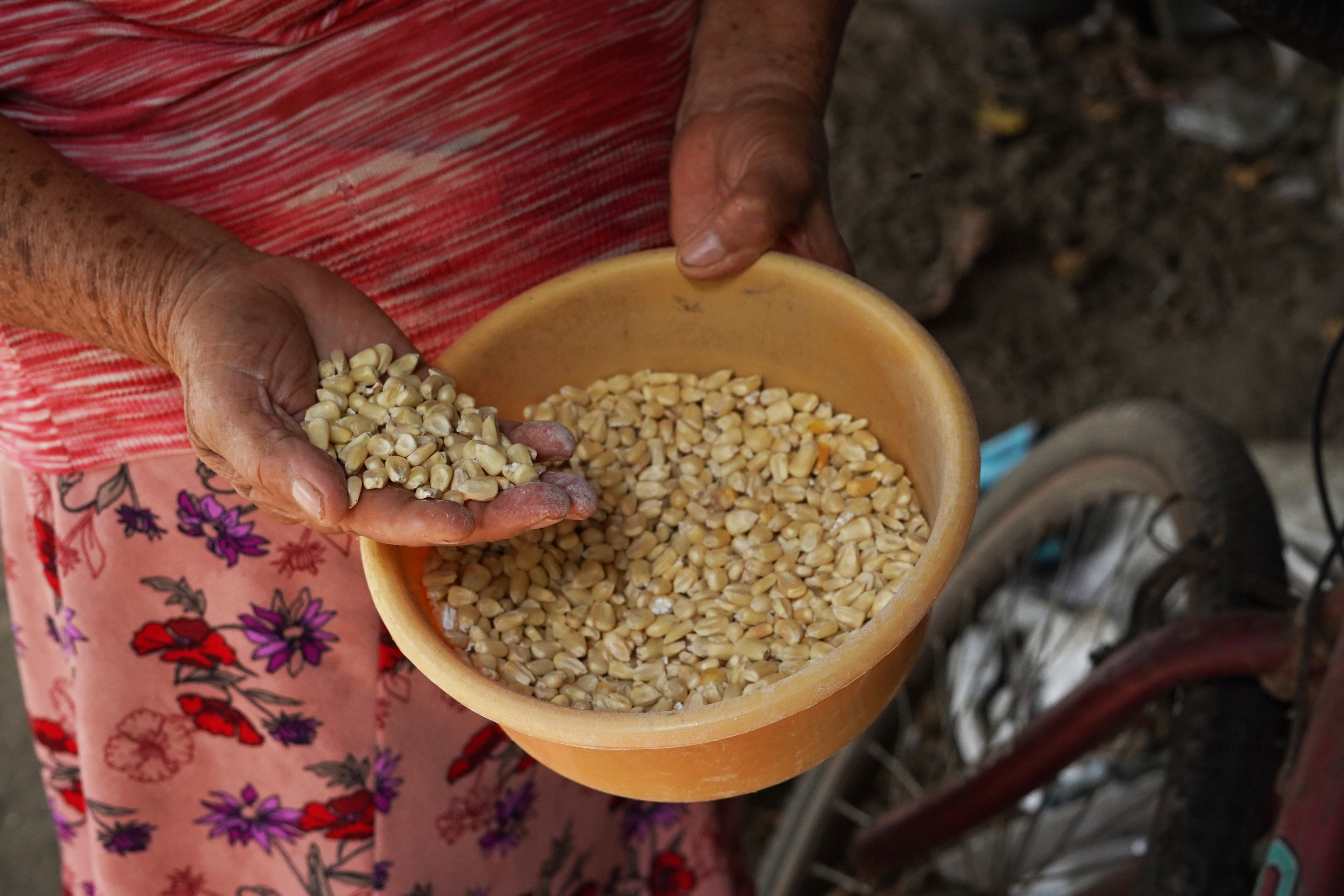
While the political world fixates on campaign trails, polls, and partisan skirmishes, a quieter but equally consequential race is unfolding across the globe's hungriest regions. More than 266 million people currently face acute food insecurity, yet hunger rarely commands headlines until it reaches famine-level visibility. By the time images of malnourished children surface, communities have often endured months or years of silent suffering.
Famine does not strike overnight. It creeps in—through failed harvests, skipped meals, and depleted livestock—until the world suddenly asks how things deteriorated so badly. The warning signs are already visible, and now a powerful new threat is building: a developing El Niño expected to peak in 2026-27.
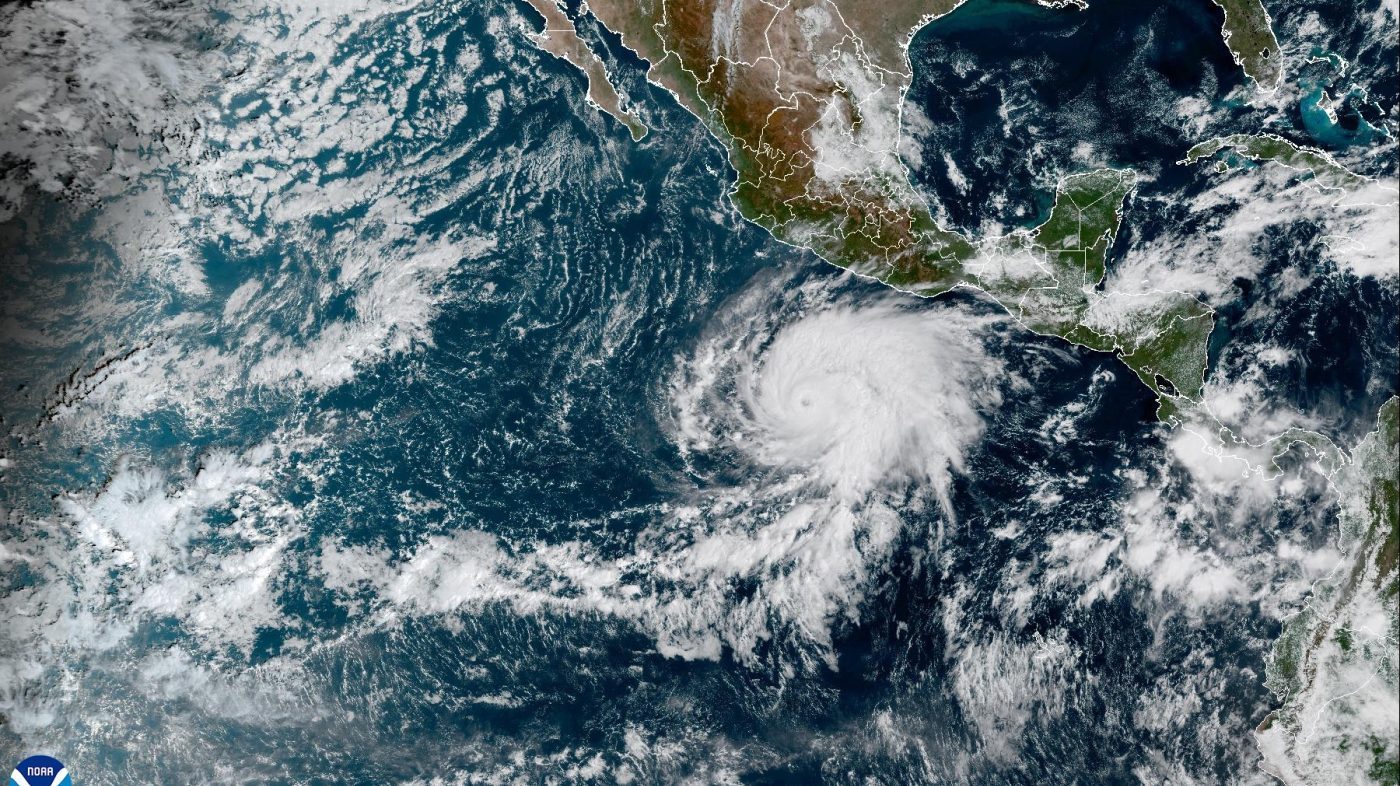
El Niño's Projected Toll
Recent meteorological forecasts indicate that this El Niño could trigger severe drought, flooding, and crop failures across some of the most vulnerable parts of the planet. East and Southern Africa are highlighted as particular hotspots, where additional climate shocks could dramatically inflate humanitarian needs. International aid organizations, including those on the frontlines, are converging on a grim projection: the phenomenon could push millions more people into hunger, with especially harsh consequences for women, children, and communities already battered by conflict and displacement.
In places like Somalia, where families have already weathered years of instability, the added stress of El Niño could be catastrophic. Parents are already skipping meals so their children can eat; families are selling off assets to survive; children are dropping out of school. The margin for error is razor-thin.
A Collision of Crises
The danger is not just drought—it is the convergence of multiple stressors. Ongoing conflicts continue to disrupt food production and trade routes. Economic pressures are inflating the costs of food, fertilizer, and transportation. Meanwhile, humanitarian budgets are shrinking even as needs expand. For millions trying to recover from previous shocks, there is little buffer left.
But hunger is one of the few global crises that can be anticipated. Early warning systems offer a rare opportunity in humanitarian response: the chance to act before lives are lost and communities are pushed into catastrophe. Some early action is already underway. The U.S. government recently announced additional support to help Peru prepare for El Niño impacts, underscoring the principle that acting on warnings saves lives and reduces the far higher costs of late response. However, much more is needed.
American NGOs are working with local partners to help communities prepare—supporting farmers, strengthening local food systems, and protecting livelihoods. These efforts rarely make headlines, but they can determine whether a shock becomes a manageable hardship or a full-blown disaster. As advocates have long urged, prevention must be prioritized over reaction.
A Political Choice
As Congress and the administration deliberate over funding and priorities for the coming year, they face a straightforward choice: act on the warnings we already have or wait until preventable suffering becomes an emergency that is far more costly in both financial and human terms. Hunger is not inevitable. We know the signs, and we know what works. The question is whether political leaders will choose to act before today's warning becomes tomorrow's crisis.
Tom Hart is president and CEO of InterAction, the national alliance of U.S.-based nongovernmental organizations.