The Trump administration's $8 billion farm relief package is providing a much-needed buffer for agricultural producers, but the underlying problem of soaring diesel prices—driven largely by the ongoing conflict with Iran—remains unresolved. Experts warn the program may only delay the reckoning for an industry already grappling with record debt and four consecutive years of declining incomes.
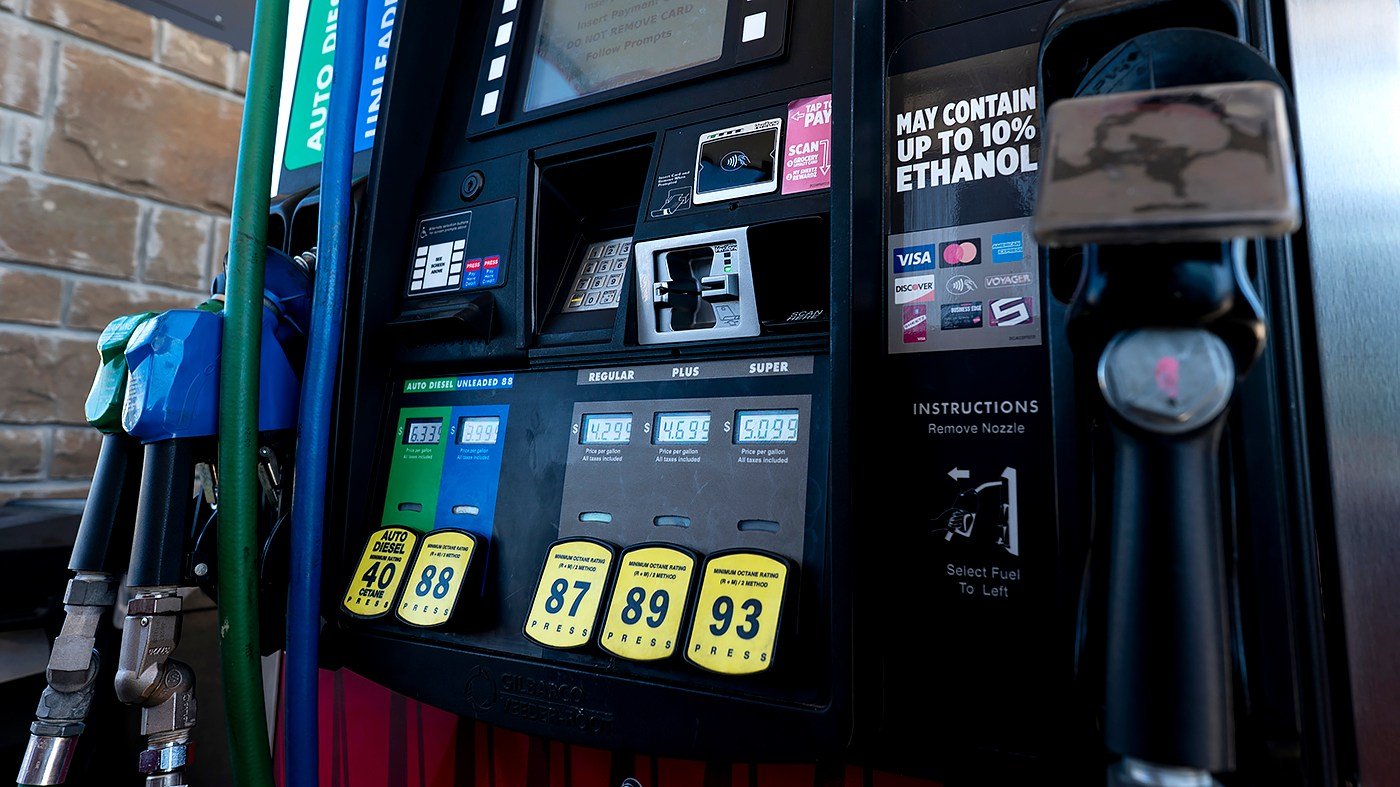
Announced this week, the initiative delivers one-time payments through the U.S. Department of Agriculture (USDA) to farmers during harvest season. However, with average diesel prices hovering around $6.32 per gallon—down about 20 cents from a month ago but still nearly $2.80 higher than a year ago—the relief may not be enough to offset the financial strain.
Max Pyziur, director of downstream and transportation fuels projects at the Energy Policy Research Foundation, said the diesel market could take up to two years to stabilize, and only after the Iran and Russia-Ukraine wars conclude. “I think it's going to take a long time,” he said.
The combination of high fuel and fertilizer costs has made it particularly difficult for farmers during the spring planting season. Dr. Faith Parum, deputy chief economist at the American Farm Bureau Federation, said the $8 billion will help farmers as they plan for 2027. “It will help our farmers make the math make a little bit more sense as they sit down towards the end of the year and think about what's next,” she said. “This is really helpful as they sit down with lenders, extension agents, and all of those trusted folks to think about what their farm looks like in 2027.”
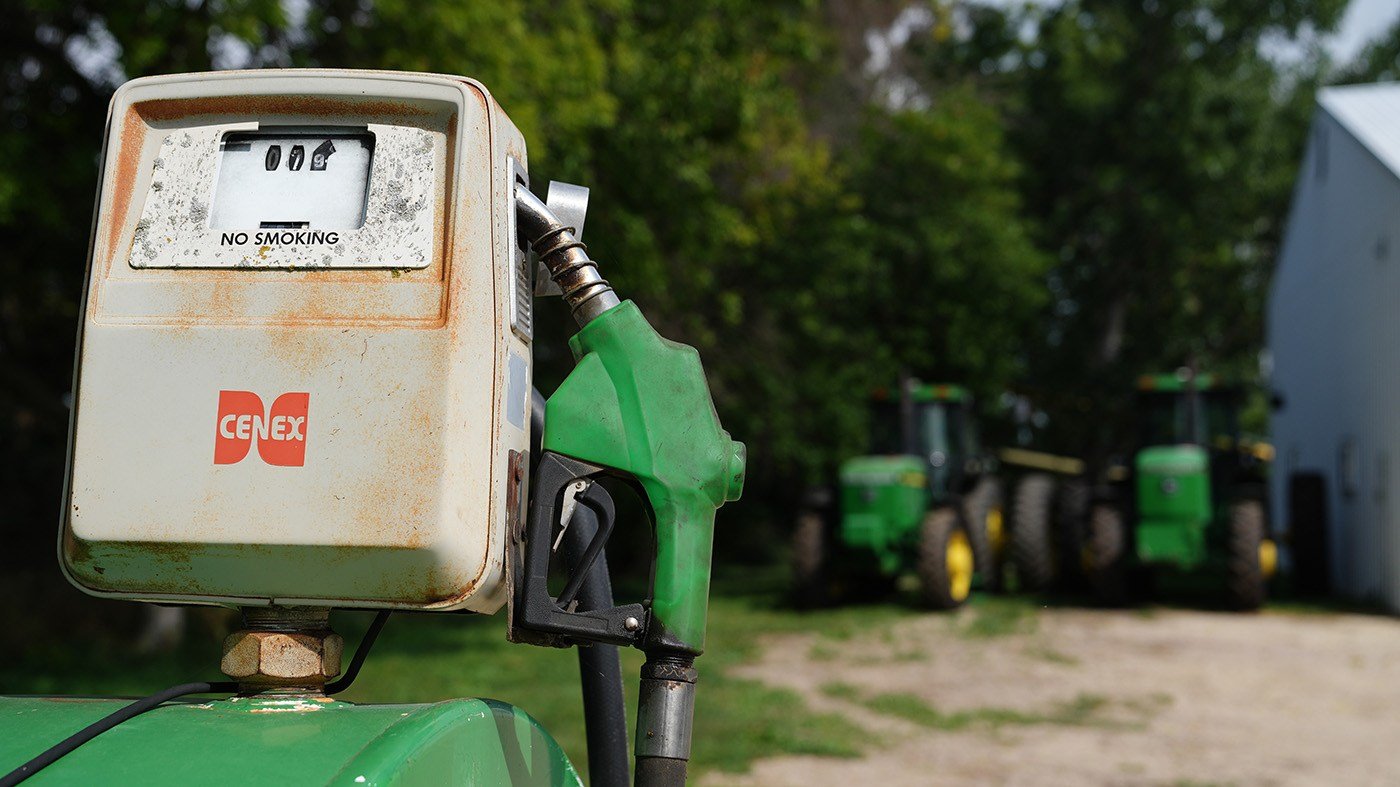
Parum emphasized that the agricultural economy is “very diesel intensive,” with high fuel costs hitting row crop farmers particularly hard. “All of your row crop guys have been in a consecutive downturn for the last four years. In fact, most folks are losing money per acre,” she said. Tractors and combines run on diesel, and tractor sales fell 16.4% year-over-year in September, according to the Association of Equipment Manufacturers. Trains that move grain also rely on diesel, as Scott Irwin, agricultural marketing chair at the University of Illinois, noted: “It's not an understatement to say that the crop sector runs on diesel. Without diesel, food production would ultimately stop.”
The USDA will calculate payments using a formula based on self-reported acreage, cost of production estimates, and yield data from its World Agricultural Supply and Demand Estimates. Payment rates for major commodities like corn, soybeans, and wheat are expected in November. A USDA spokesperson described the program as “an additional source of relief for years of elevated input costs, diminished export markets, and lackluster domestic agriculture policy.”
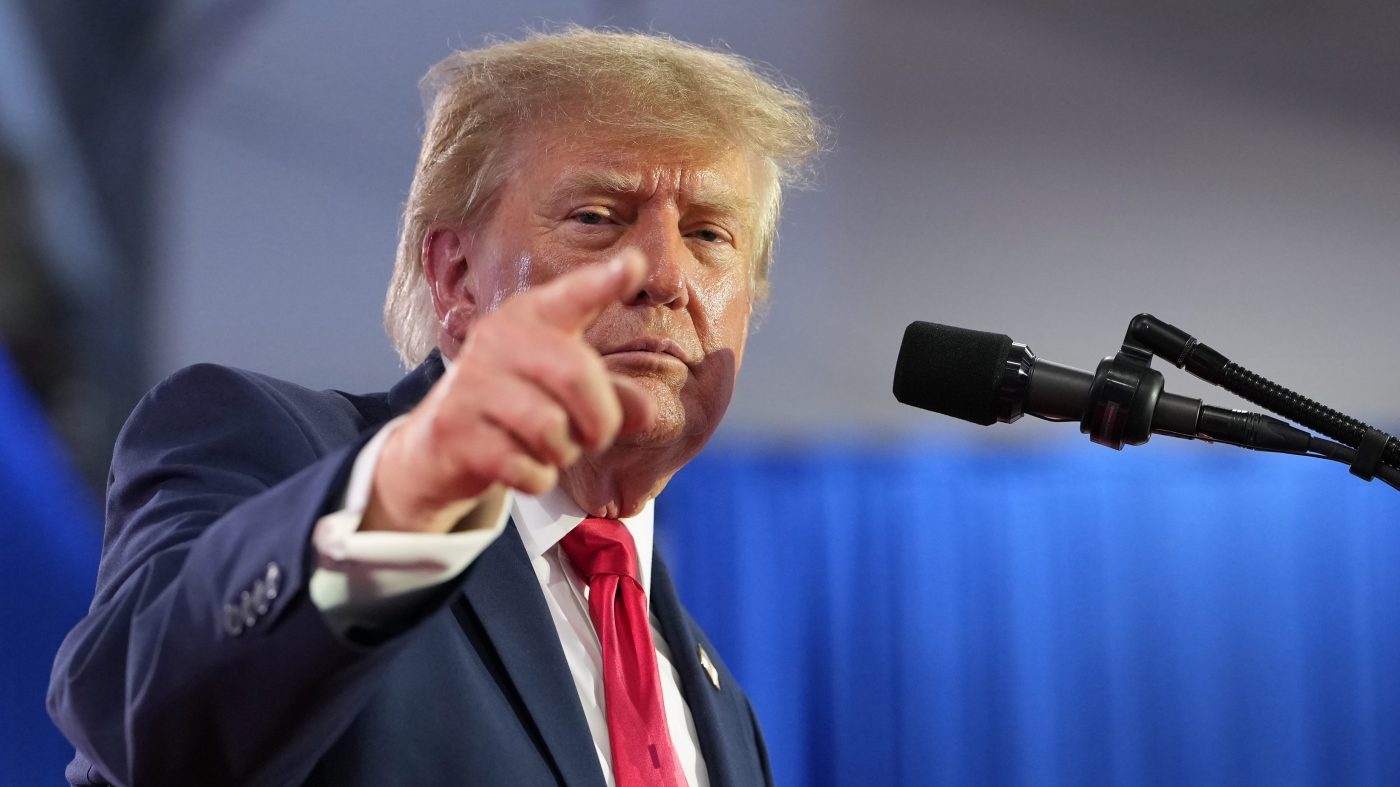
This latest aid follows $12 billion in tariff relief earlier this year and nearly $14 billion in risk and price loss coverage payments under the One Big Beautiful Bill Act, signed in July 2025. Trump touted the program during a Kansas campaign stop, crediting GOP Sen. Roger Marshall, who faces a tough reelection fight against Democrat Adam Hamilton.
While farmers are grateful for the assistance, Pyziur pointed to a global diesel shortage of 1.5 to 1.6 million barrels per day, with 70% attributed to the Iran conflict and 30% to the Russia-Ukraine war. Damage to refineries in several countries has compounded the problem. Even before the price spike, farm debt was projected to hit a record $605.1 billion this year, and Chapter 12 bankruptcies rose 46% from 2024 to 2025. The administration's foreign policy decisions continue to ripple through the economy, and ongoing tensions abroad suggest diesel prices will remain elevated for some time.