Oil prices climbed to their highest level since May on Friday, driven by the ongoing conflict in Iran that has now entered its eighth month with no end in sight. International benchmark Brent crude futures traded at $116 per barrel, while U.S. West Texas Intermediate (WTI) hovered around $102, reflecting persistent supply concerns in the Middle East.
The sustained war has made shipping through the Strait of Hormuz—a critical chokepoint for global oil supplies—increasingly costly. Although vessels are still transiting the strait, insurers and freight operators have raised rates sharply to account for the elevated risk of attacks or collateral damage. This has added a significant premium to the price of every barrel moving through the region, a cost that is ultimately borne by consumers worldwide.
Domestic Pump Prices Ease Slightly but Remain Elevated
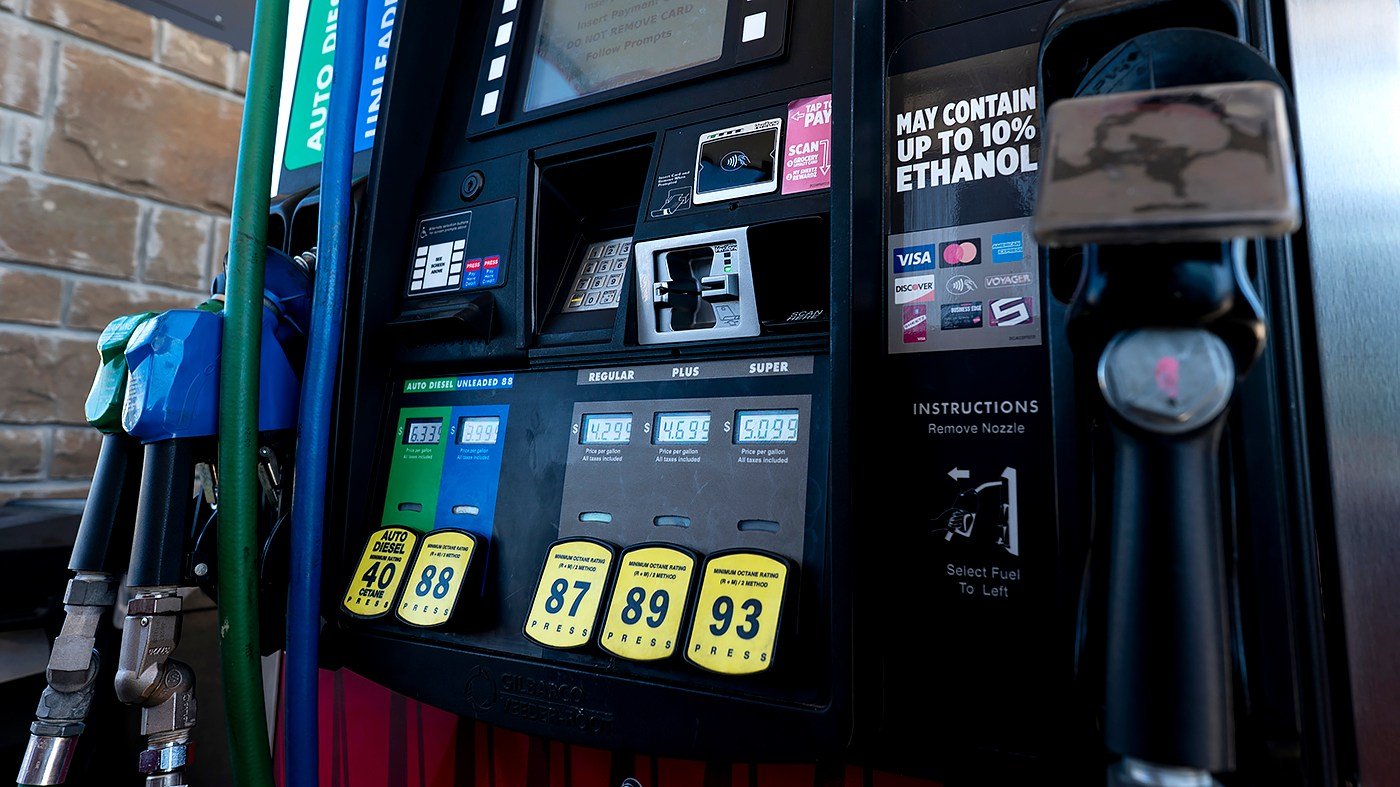
In the United States, average gasoline prices dipped to $4.29 per gallon as of Friday, according to AAA. That is about 18 cents lower than a month ago but still $1.22 higher than the same time last year. The recent decline offers some relief to drivers, but analysts warn that if crude prices stay at current levels, pump prices could reverse course and climb again.
The political stakes are high. With the midterm elections approaching, inflation and energy costs remain top concerns for voters. The Biden administration has been under pressure to address high fuel prices, but its options are limited. A proposed deal involving Russian diesel has drawn scrutiny over its potential impact on prices, with some experts doubting it would provide meaningful relief.
Global Supply Risks Persist
The conflict in Iran is not the only factor keeping oil markets on edge. Risks associated with Russian energy exports continue to loom, and any disruption to supply from major producers could further tighten the market. The combination of geopolitical tensions and limited spare capacity has left little margin for error.
Oil analysts note that the market is particularly sensitive to any news from the Strait of Hormuz, through which roughly one-fifth of global oil consumption passes. Even a temporary closure or a significant incident would send prices skyrocketing. The current situation, while not a full blockade, has already forced shippers to reroute or absorb higher insurance costs, adding to the overall cost structure.
Midterm Political Fallout
High energy prices are becoming a central theme in the midterm campaign. Recent polling shows Democrats have widened their lead in generic congressional ballots, but the economy and inflation remain the top issues for many voters. If gas prices spike again before November, it could shift momentum in key races.
In Senate contests, energy costs are already a talking point. For example, North Carolina's Senate race has seen candidates spar over energy policy, and similar debates are playing out in Georgia, Ohio, and other battleground states. The administration's handling of the Iran situation and its effect on oil markets will likely be scrutinized by both parties.
As the conflict drags on, the global economy faces continued uncertainty. Higher oil prices translate into higher costs for transportation, manufacturing, and heating, threatening to reinvigorate inflation just as central banks are trying to tame it. For now, traders are bracing for more volatility, with the next move in oil prices likely to be dictated by events in the Persian Gulf.