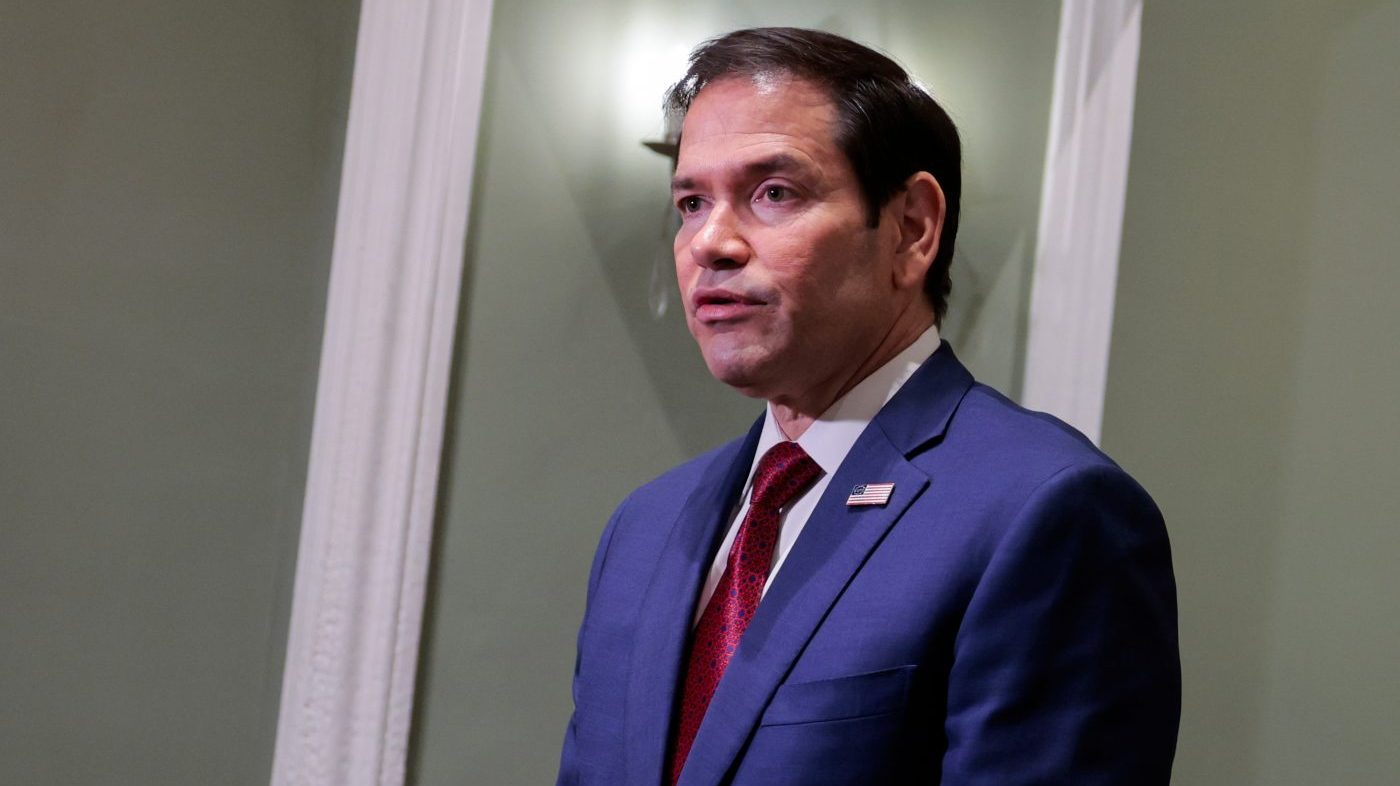
Secretary of State Marco Rubio took to social media on Friday to encourage Cubans dissatisfied with their government to explore a confidential collaboration with the Central Intelligence Agency. In a post on X, Rubio wrote that “now is the time” for those seeking “positive change” in Cuba, citing widespread disillusionment with “failed promises, corruption, and the privileged lives of only a few.” He framed the CIA offer as a pathway for individuals to “create the change you desire through a discrete partnership with the CIA.”
The overture mirrors a similar tactic the U.S. employed in Russia, where the CIA launched a Telegram campaign in 2023 to solicit intelligence from Russians disaffected with their government. That effort was part of a broader strategy to recruit sources in adversarial nations, and Rubio’s message appears to extend that approach to Cuba amid heightened tensions.
Rubio’s post came on the same day President Donald Trump again raised the possibility of military intervention in Cuba, this time during a rally in Fort Myers, Florida. Trump told the crowd, “We’ll take care of Cuba on our way back from Iran,” suggesting that U.S. naval vessels passing near the island could stop “about 50 yards off the coast” and that he would send Rubio to “finish up the deal.” The president’s rhetoric has escalated steadily this year; in March, he declared “Cuba is next” after the Iran conflict and said he would have the “honor” of taking over the country.
The island nation is grappling with severe blackouts and shortages of basic supplies, challenges that have been compounded by the Trump administration’s sanctions and an oil blockade. Rubio has described Cuba as a “failed state,” telling Fox News host Sean Hannity last month, “Well, the truth is Cuba has already fallen.”
Despite the bellicose language, it remains unclear whether Trump intends to follow through on his threats. During the Iran war, the president repeatedly warned of destroying that country’s energy infrastructure and even issued a time-limited ultimatum, only to back away before the deadline. This pattern has led some analysts to question whether the Cuba rhetoric is more bluster than policy.
Rubio’s CIA appeal and Trump’s military posturing come as the administration continues to pressure the Cuban regime through economic measures. The recent friction with Elon Musk over Starlink in Ukraine highlights broader tensions in the administration’s foreign policy approach, but Cuba remains a focal point for Rubio, who has long advocated for a hardline stance against the Castro regime.
The offer of a CIA partnership is not unprecedented, but it underscores the administration’s willingness to use covert channels to undermine hostile governments. As intelligence officials warn of Iranian plots, the U.S. is also ramping up efforts to gather intelligence from within Cuba. Whether the appeal will resonate with Cubans remains to be seen, but it signals a new phase in the administration’s campaign against Havana.
Meanwhile, Trump’s threats have drawn criticism from opponents who see them as reckless. Vice President JD Vance’s defense of Trump on corruption has already tested his political standing, and any military action in Cuba would likely face legal and diplomatic hurdles. The probes into Trump aides’ corruption could further complicate matters, as the administration juggles multiple crises.
For now, Rubio’s message to Cubans is clear: the U.S. is offering an alternative to the status quo. But whether that offer translates into tangible change—or merely adds to the island’s instability—remains an open question.