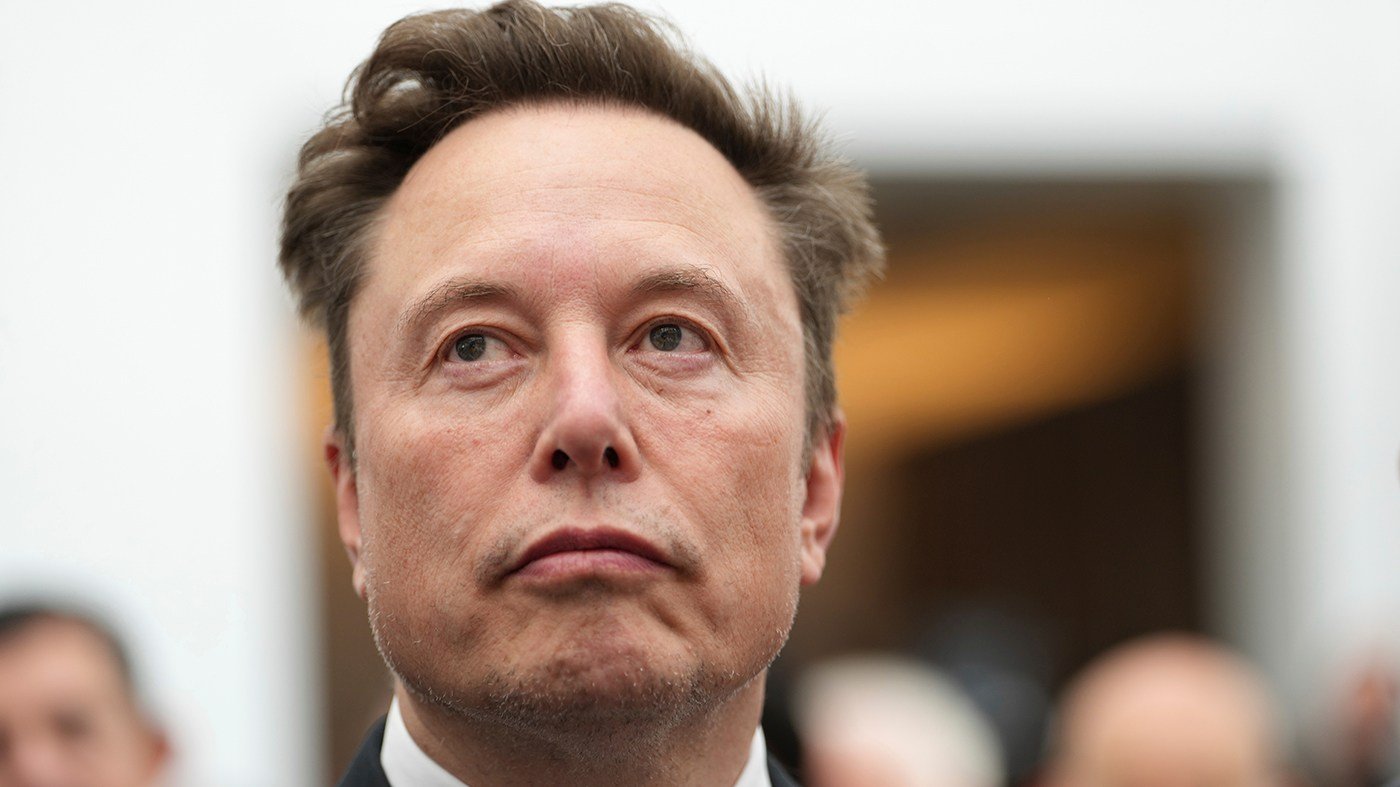
Top officials in the Trump administration are now publicly attributing the slowdown of Starlink satellite internet services for Ukraine to SpaceX founder Elon Musk, in an attempt to distance the White House from a decision that has sparked bipartisan outrage on Capitol Hill.
Secretary of State Marco Rubio told reporters Wednesday that the terms of Ukraine’s access to Starlink are a private commercial matter, not a White House directive. “The bottom line is that that is governed by a private commercial contract as to how their stuff can be used and what speeds they’ll allow it to be used at,” Rubio said while en route to India.

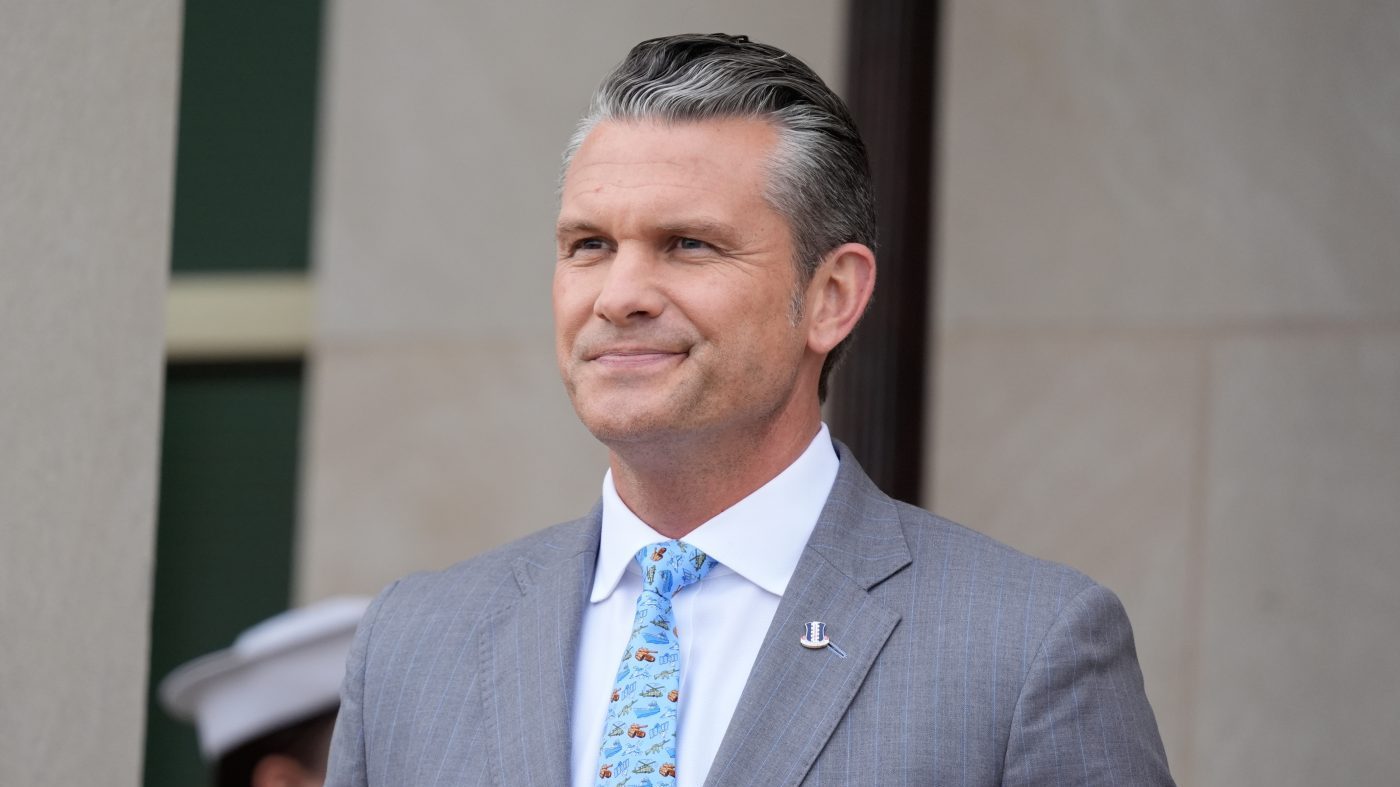
Defense Secretary Pete Hegseth echoed that sentiment a day earlier, suggesting that Starlink’s slowdown falls under the company’s terms of service. “There are terms of service that ultimately need to be complied to, and that’s where Starlink has the option to make those decisions,” Hegseth told reporters.
The comments mark a shift from President Trump’s earlier assertions that neither he nor Musk were responsible for the disruption. Rubio had also insisted on Saturday that no one ordered the slowdown. But a Wall Street Journal report Tuesday revealed that Musk himself ordered the throttling of the satellite services, which are vital for Ukraine’s defense against Russian missile and drone attacks.
Trump’s exact role remains murky. The Journal reported that at least one source claimed Musk and Trump spoke before the slowdown. Reuters reported last week that the order came from inside the White House, directed to the Pentagon, though the source did not specify who gave the directive. Trump told reporters Wednesday, “I don’t know who did it but I was not involved.”
The tension comes as Trump and Musk have patched up their relationship after a public feud in June 2025, when Musk alleged that files on convicted sex offender Jeffrey Epstein were kept secret to protect Trump. Since then, Trump awarded Musk the National Medal of Science, and Musk has poured more than $276 million into Republican midterm campaigns, according to the New York Times.
Outgoing Texas Sen. John Cornyn (R) expressed skepticism about Trump’s denial, telling CNBC’s Squawk Box that he doubts Musk “would do this without at least the acquiescence of the White House.” Cornyn called the slowdown “frankly shameful,” adding, “I think we should be supporting the victim, not the aggressor.”
The slowdown follows Ukrainian President Volodymyr Zelensky’s sharp criticism of Trump for waiving sanctions on Russia and agreeing to purchase diesel from Russian President Vladimir Putin. Zelensky called Trump “weak” for the deal. In response, Trump has blamed Zelensky for obstructing peace with Putin.
Republicans are demanding accountability. Reps. Brian Fitzpatrick (R-Pa.) and Don Bacon (R-Neb.) have threatened to block Trump’s legislative agenda during the lame-duck session unless answers are provided. Fitzpatrick told CNN that if Musk ordered the slowdown of Starshield, the military-grade version of Starlink, “that is likely a violation of the law.” He emphasized that no civilian should have decision-making authority over a national security tool like Starshield.
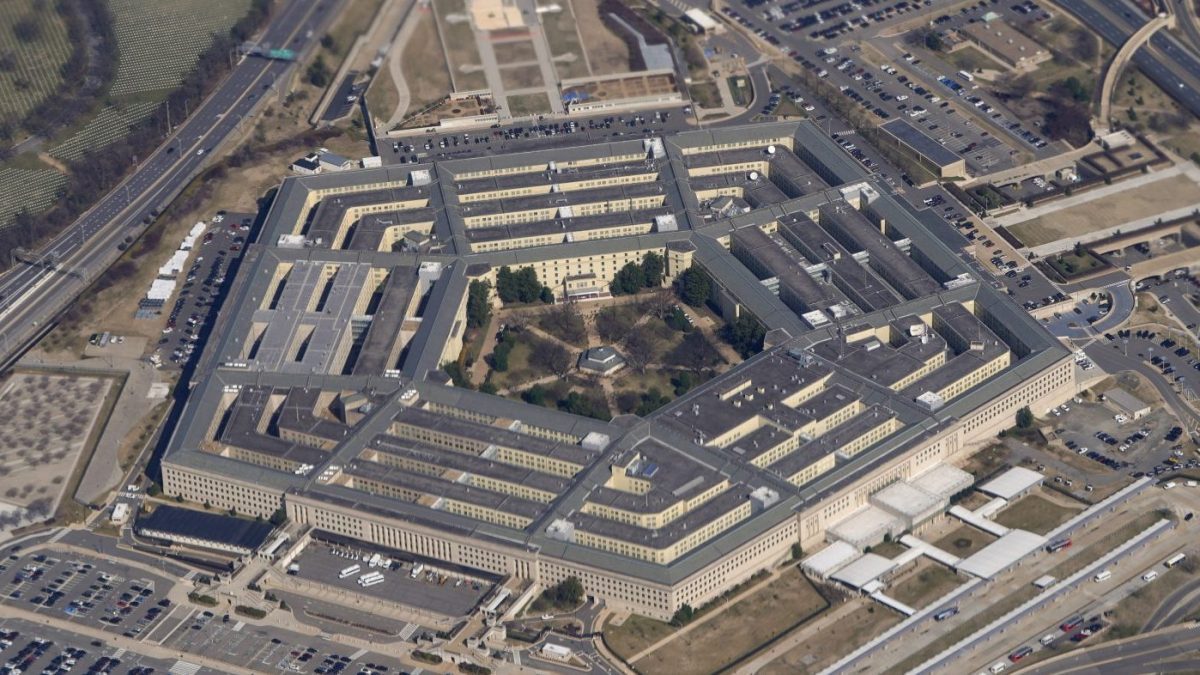
Rubio, who also serves as national security advisor, has said Ukraine does not currently have access to Starshield, describing it as a defense product used by the U.S. military. Zelensky said Tuesday he discussed restoring Starlink and Starshield services with Rubio, calling the conversation “constructive.”
Part of the negotiations reportedly involve a proposed deal: the U.S. would give Ukraine the ability to strike Russian missile launchers deep inside Russia, in exchange for Ukraine halting attacks on Russian oil refineries. Trump has pushed for such a halt, linking it to U.S. diesel prices, though Russia has refused to stop strikes on Ukrainian civilian energy infrastructure. Zelensky’s allies in Congress have backed the proposal, arguing it could lower fuel costs while strengthening Ukraine’s defense.
As the controversy intensifies, the administration’s shifting explanations are unlikely to quell the bipartisan scrutiny. For more on the political fallout, see how GOP lawmakers are bracing for tough midterms and the broader bipartisan fire over Russia sanctions.