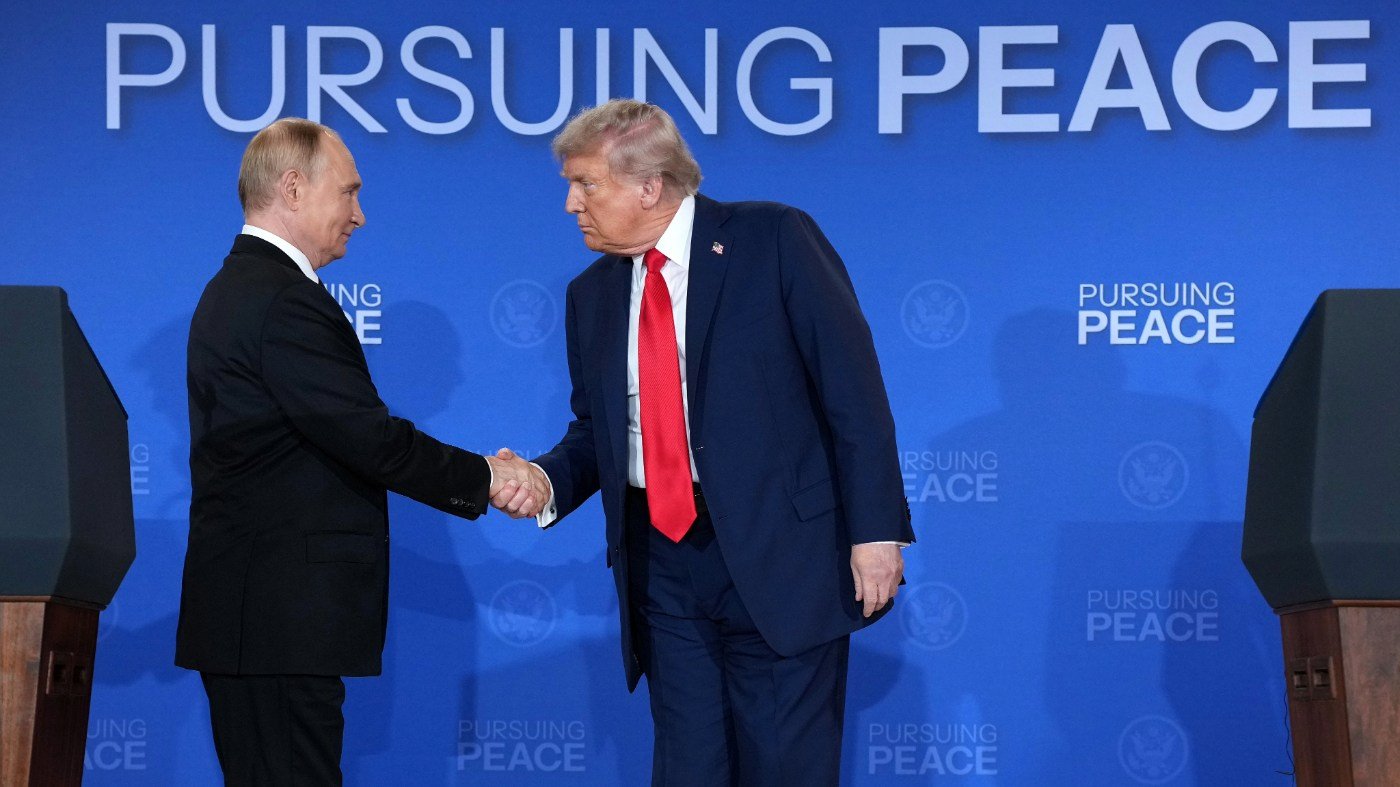
President Trump's special envoy Steve Witkoff and adviser Jared Kushner met with Ukrainian President Volodymyr Zelensky and European leaders in Norway on Tuesday, carrying a familiar agenda: a peace deal heavily tilted toward Moscow. But nothing has shifted since their last encounter in Kyiv—Russian President Vladimir Putin has not softened his maximalist demands, and Ukraine remains unwilling to cede the 11 percent of Donetsk still under its control. Meanwhile, the U.S. has offered no meaningful security guarantees.
Trump's urgency to end the war is not rooted in concern for Ukraine or NATO's defense, but in the promise of "economic opportunities" with Russia. Putin has deployed his sovereign wealth fund chief, Kirill Dmitriev, to shuttle between Miami, Moscow, New York, and Washington, dangling investment prospects to tempt the administration into delivering what Russian forces cannot achieve on the battlefield. The self-proclaimed "Art of the Deal" president has been unable to close this deal, resorting to tactics unbecoming of any predecessor to pressure Zelensky into accepting unfavorable terms.
Reports indicate that Defense Secretary Pete Hegseth delayed the transfer of Patriot interceptor missiles from European allies to Ukraine—missiles critical for protecting energy infrastructure and civilians from Russian strikes. Additionally, Ukraine's access to Starshield, a satellite system vital for drone operations and battlefield communications, was significantly degraded in mid-October. According to Reuters, the order to limit the satellite system came from inside the White House, though Trump has denied involvement.
Trump continues to publicly berate Zelensky. As he left the White House on Monday, he told reporters that Zelensky "doesn't want to stop" the war and "is not helping matters much," suggesting it might be time for someone else to negotiate on Ukraine's behalf. He made no mention of Russian strikes on civilians or energy infrastructure, instead claiming, "Russia, frankly, has been fine on Ukraine. They haven't been doing much." He has even dismissed attacks with remarks like, "Some people in a town that got hit or whatever, but mostly young soldiers." Images of dead Ukrainian children and their mothers tell a different story.
Trump has recently claimed the war is "drawing to a close," but the end cannot come at the cost of Ukraine's sovereignty. No business deal or economic opportunity justifies compromising American values—self-determination, freedom, and democracy. Trump told reporters yesterday, "I want to see people not die. They're losing, probably on average, 25,000 to 35,000 soldiers every single month. All I want is for Zelensky and Putin to stop the war." What he omitted is that Russian soldiers are dying because they continue attacking Ukrainian defensive positions. They could leave at any time; Putin only needs to say the word. Ukraine, facing an existential threat, is defending itself and has become efficient in inflicting casualties, surpassing 50,000 Russian losses last month.
Putin's army cannot win on the battlefield, but he is prepared to sustain the war as long as the West supports his victim. He has mandated a "no-rules-now" engagement policy, effectively making Ukrainian civilians targets. In reality, there have been no rules for the past four and a half years, as evidenced by the ongoing attacks on Ukrainian cities.
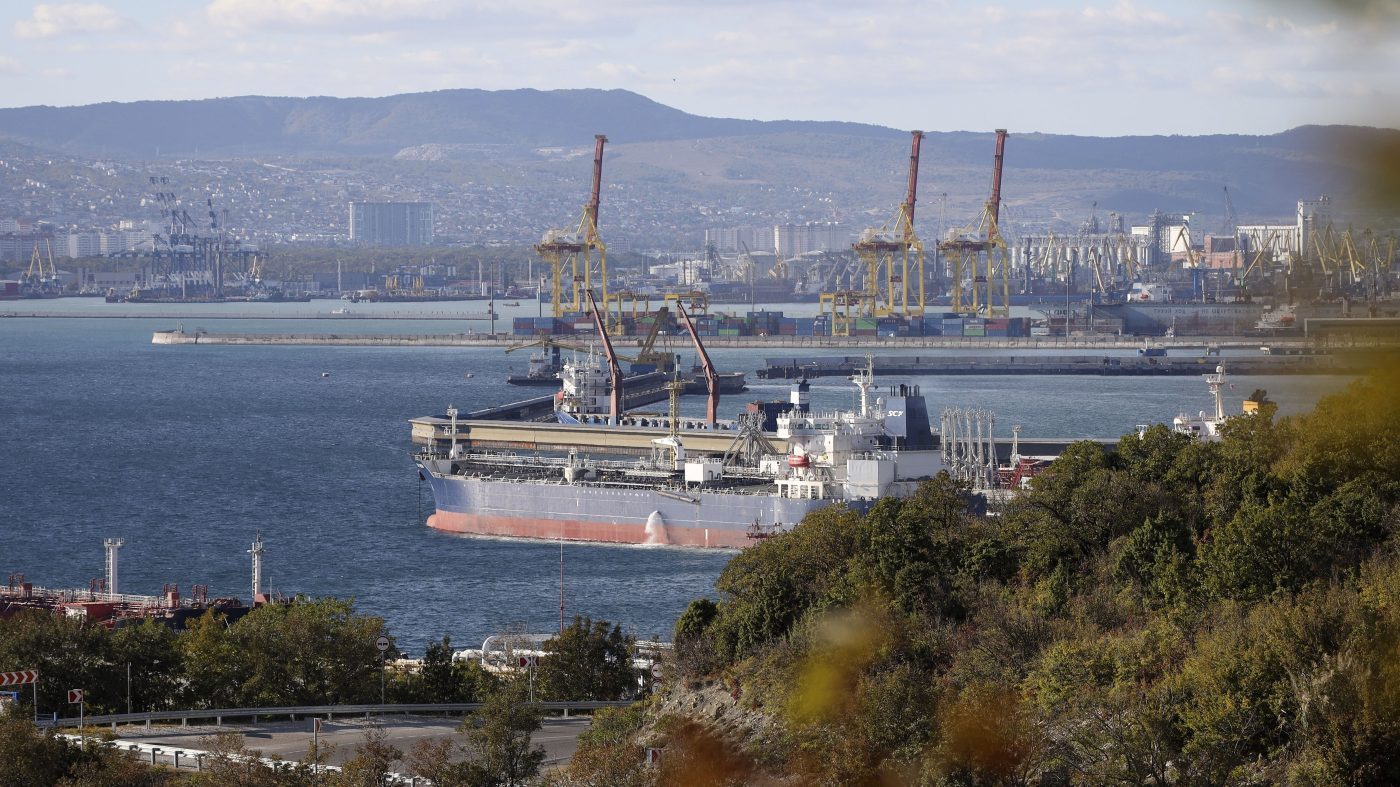
If Trump truly wants to stop the killing, he should demand that Russian ground forces halt their attacks, that the Kremlin stop bombing Ukrainian cities, and that Putin withdraw his troops to within Russia's borders. Instead, Team Trump is pressuring the wrong party. Putin has returned to the negotiating table out of weakness—sanctions and Ukrainian strikes on Russian refineries have forced him there. Ukraine has knocked out 51 percent of Russia's oil refining capacity, with the remaining 49 percent on target as new Fire Point missiles come online. Sanctions, the economic instrument of national power, are working. This is no time to reward Putin for losing.
Trump would squander the leverage that Ukrainians have died to create, in exchange for future economic opportunities Putin likely will not honor. He needs a new approach: exploit Putin's weakness and flip the script. Peace must come at a cost for Moscow, not as a reward. Any future deals with Russia must be contingent upon an immediate cease-fire, a Russian withdrawal from Ukraine, and security guarantees. They must also include a cessation of Moscow's hybrid war against NATO.
If Moscow refuses, economic sanctions must remain, and the U.S. must continue providing Ukraine the intelligence support needed to target Russia's ability to fund and wage war. Washington should also support a NATO active air defense over Ukraine and continue the Prioritized Ukraine Requirements List program, which supplies weapons and ammunition. Trump needs to be part of the solution, not contribute to the problem Putin chose to create.