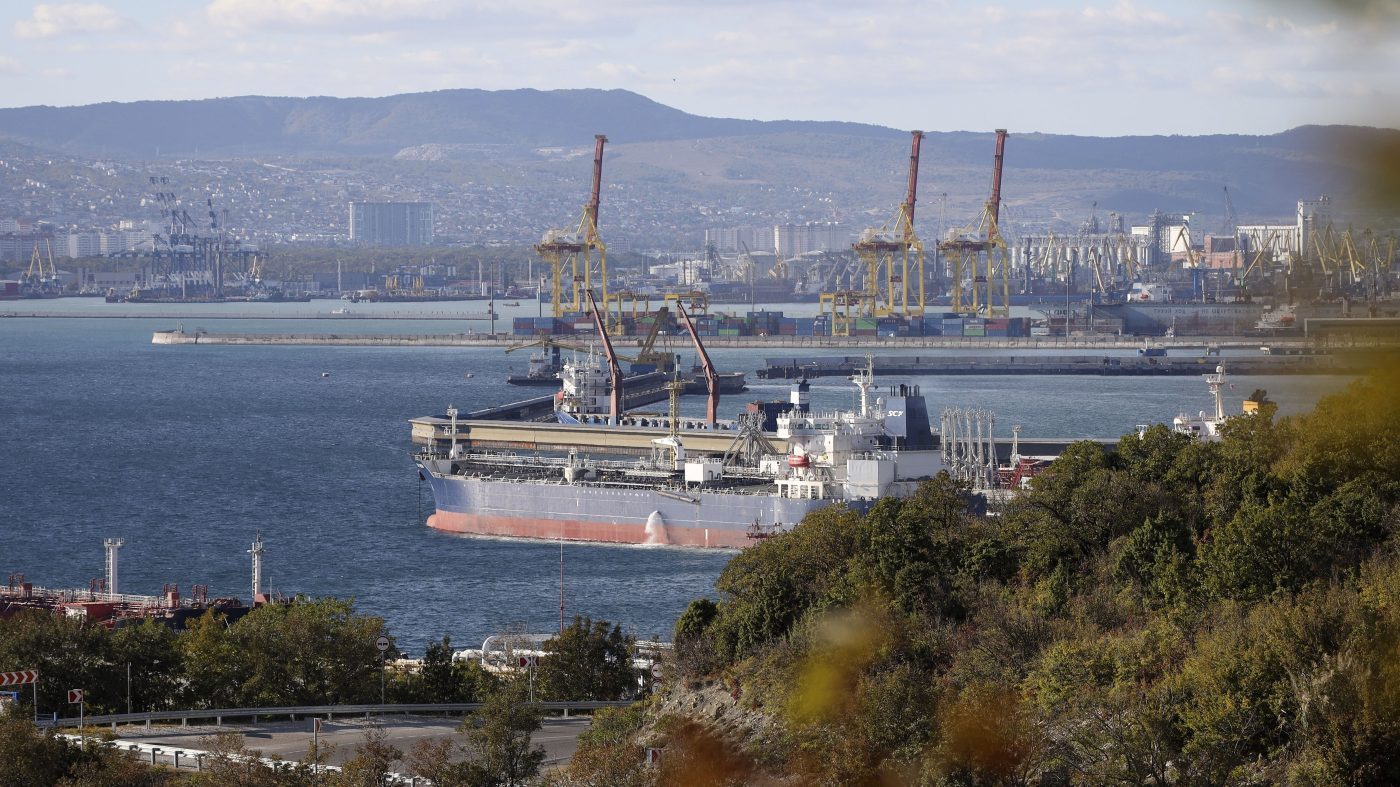
Russia is set to dispatch its first tanker carrying diesel to the United States on Thursday, according to Deputy Prime Minister Alexander Novak. The vessel will transport 40,000 metric tons of fuel, Novak confirmed on Wednesday, citing agreements between President Donald Trump and Russian President Vladimir Putin.
Speaking through Russian state media, Novak indicated that additional shipments would follow, saying, "Additional shipments will follow, of course. There were agreements reached between the two leaders. We will meet the United States' needs, to the extent of our capabilities."

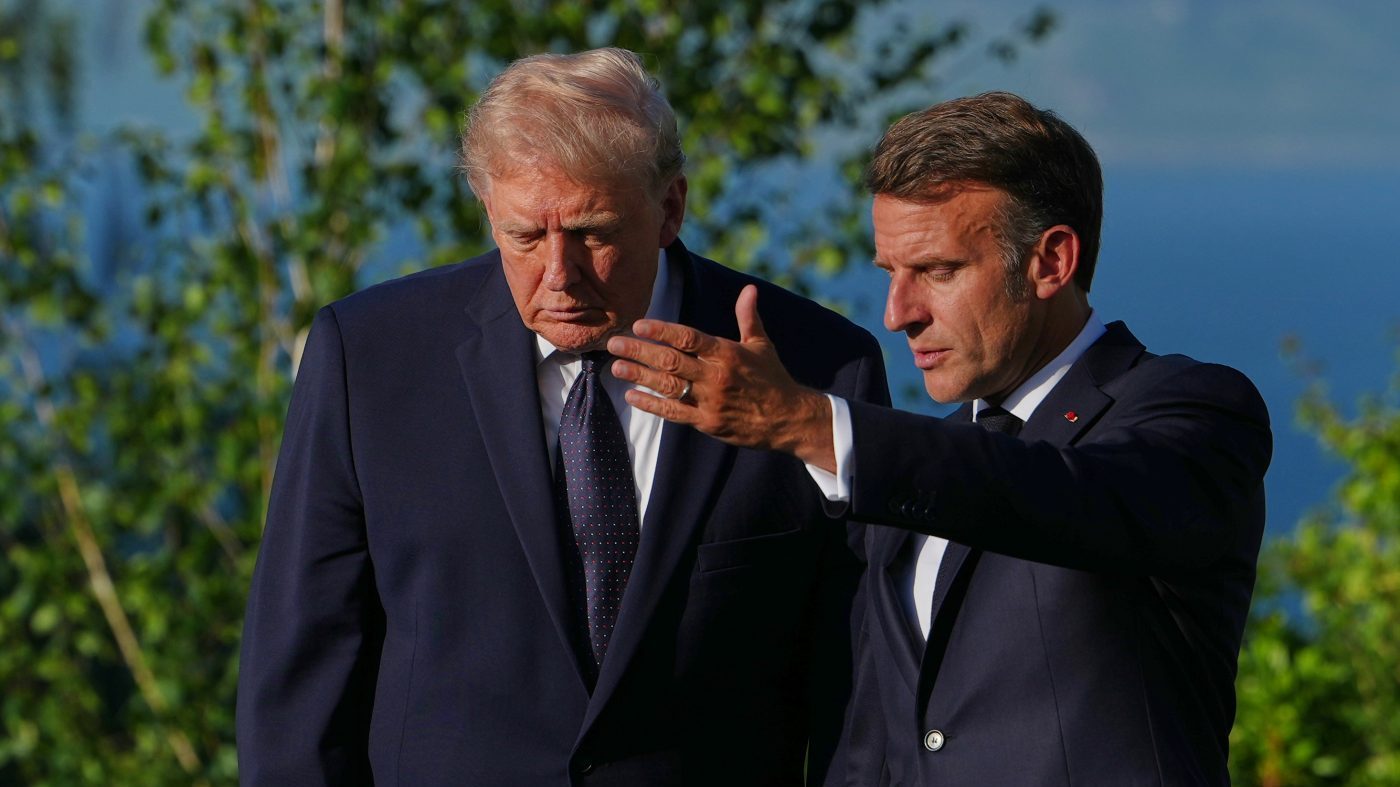
Earlier this month, Trump announced on Truth Social that Russia would "immediately" supply 300,000 tons of diesel to the US and global markets, with plans for another 500,000 tons in November and 1 million tons shortly thereafter. The move is part of a broader energy arrangement that has drawn sharp criticism from both Democrats and Republicans, who view it as a concession to Moscow amid the ongoing war in Ukraine.
Ukrainian President Volodymyr Zelensky, in an interview with Piers Morgan, expressed a sense of betrayal over the deal, saying he felt "betrayed" by Trump's decision. The criticism echoes concerns from lawmakers who argue that the agreement undermines Western efforts to isolate Russia economically.
The diesel shipments come as Trump's special envoy, Steve Witkoff, met with Putin in St. Petersburg on Wednesday to discuss the Russia-Ukraine war. According to the Associated Press, Putin agreed to resume trilateral talks "in principle" with Washington and Kyiv. During those discussions, Putin confirmed preparations for the diesel deliveries, noting that "they will go one after another. The financial component should be provided." He also floated the possibility of supplying fertilizers to the US market in "large quantities."
In a related development, Stephen Hubbard, an American teacher detained in Russia for over four years on charges of being a mercenary, was released on Wednesday. Witkoff praised Putin as a "humanitarian" for freeing Hubbard, a comment that drew immediate backlash. The release has been linked to broader diplomatic negotiations, including Trump's defense of sanctions waivers as a means to secure Hubbard's freedom.
The political fallout from these moves is intensifying. Critics, including Republican Senator Tom Cotton and others, have accused the administration of prioritizing energy deals over human rights and strategic interests. The controversy is likely to become a flashpoint in the upcoming midterm elections, with some Republicans warning of political consequences. As one analysis noted, the sanctions flip is becoming a midterm headache for the party.
The diesel shipments also raise questions about US energy independence and the administration's approach to Russia. While Trump has touted the deal as a way to lower fuel prices, experts point out that the volumes are relatively small compared to US consumption. Moreover, the arrangement could complicate efforts to maintain a unified front against Russian aggression.
As the first tanker prepares to sail, the political and diplomatic implications are already rippling through Washington and beyond. The decision to engage with Russia on energy, coupled with the release of Hubbard, has sparked a fierce debate about the administration's foreign policy priorities.