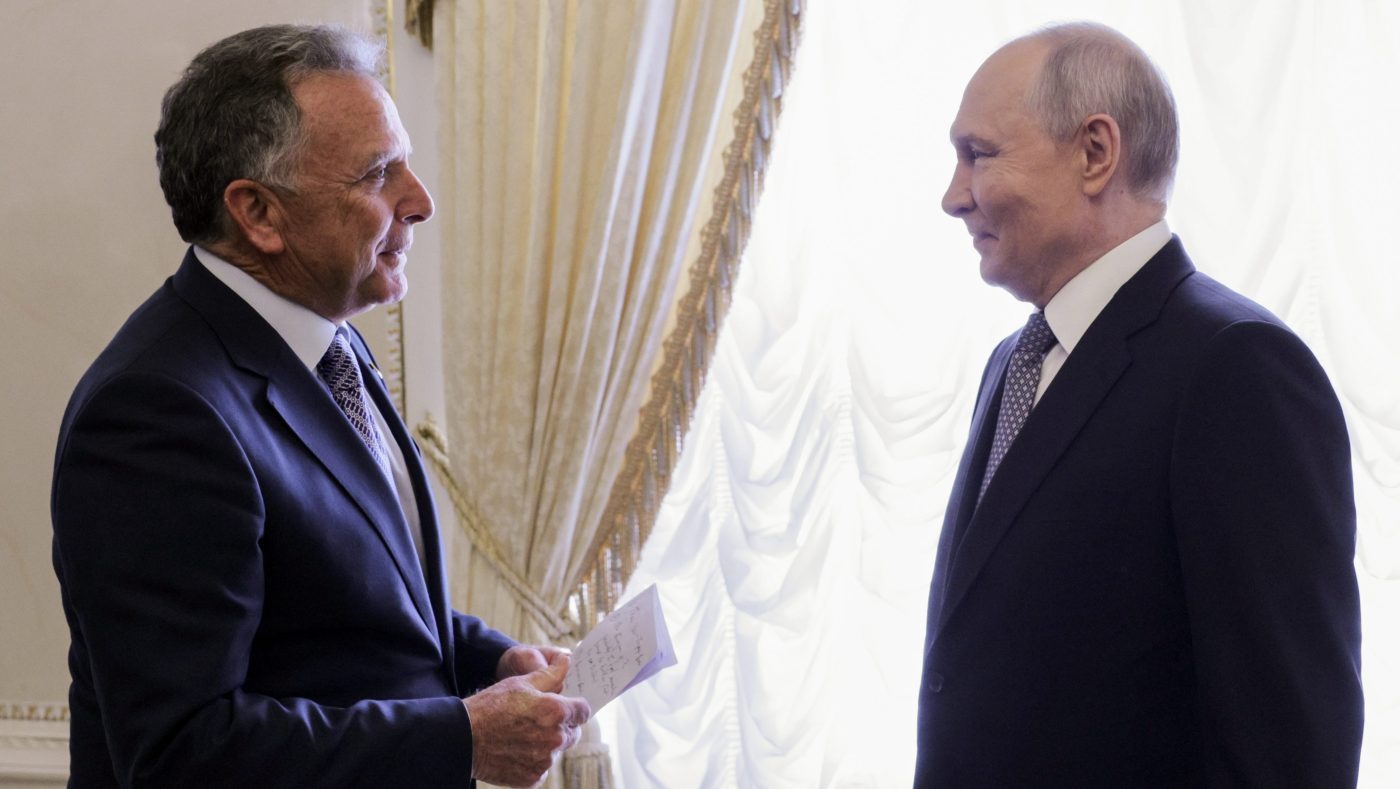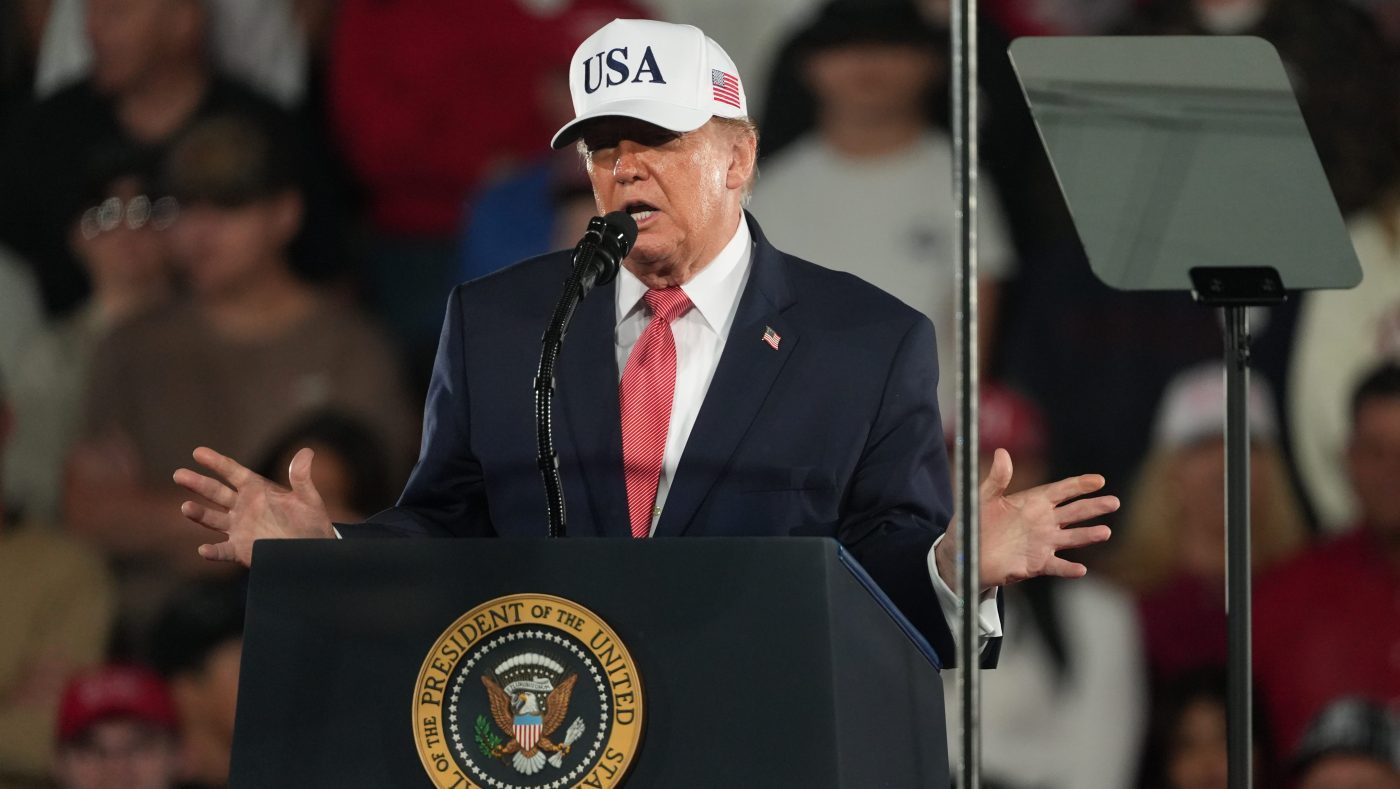
President Donald Trump on Wednesday defended his decision to waive sanctions on Russia, arguing that imposing them would have derailed negotiations with Russian President Vladimir Putin that secured the release of Stephen Hubbard, a retired American schoolteacher detained in Russia.
In a series of posts on Truth Social, Trump said that "numerous people, who requested that sanctions be immediately imposed on Russia, have called to apologize" after learning of the delicate diplomatic backchannel. "They didn't know that he was negotiating the release of Stephen Hubbard, a truly big and important deal for the U.S.," Trump wrote. He added that "if sanctions would have been placed, certainly those negotiations would have come to a complete and total halt."
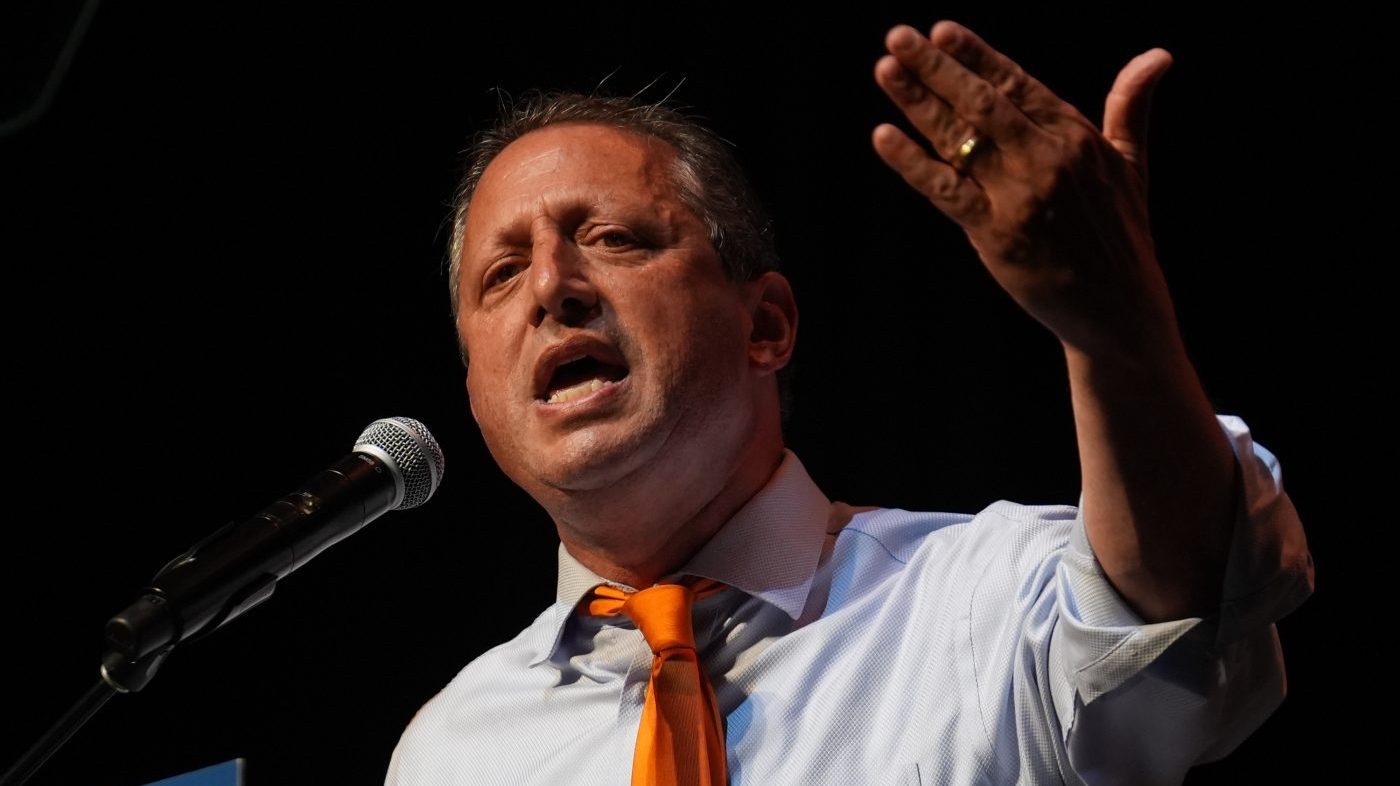
Hubbard, who had been serving a seven-year prison sentence on charges related to fighting alongside Ukrainian forces, was released on Wednesday morning, according to Trump. The president said he personally requested Hubbard's release during a phone call with Putin last week. Trump emphasized that the United States "was not required to give anything in return — an unprecedented situation for Russia," and that "there was no 'swap' necessary for this release."
Hubbard's detention dates back to 2022, when he was arrested by Russian authorities two months after the invasion of Ukraine. Russian prosecutors accused him of signing a contract with Ukraine's military and fighting alongside Ukrainian troops. The Biden administration had designated Hubbard as "wrongfully detained," a status that had kept his case in the spotlight.
The release comes amid mounting criticism from both parties over Trump's energy policy toward Russia. The president recently approved the import of Russian diesel, waiving a legislative package that would have imposed energy sanctions. He also brokered a deal with Moscow to supply 300,000 tons of diesel to global markets immediately, with an additional 500,000 tons expected in November, despite existing embargoes and sanctions.
A bipartisan group of senators, including Republicans Thom Tillis (N.C.), Lisa Murkowski (Alaska), and Susan Collins (Maine), signed a letter condemning the move. They argued that lifting sanctions on Russian diesel "only provides Putin with more fuel to finance his war machine and enables Russia to continue its brutal attacks on Ukrainian civilians."
Trump's defense of the waiver is likely to intensify the debate over his approach to Russia, especially as some GOP senators push back on his plans for a trilateral summit with Putin and Xi Jinping. Meanwhile, the political fallout continues to ripple through the midterm campaign, with Trump touting the release while allies like J.D. Vance hit the trail in Ohio.
Critics argue that the sanctions waiver undermines Western unity and emboldens Moscow, while supporters of the president contend that securing the release of an American citizen justifies temporary concessions. The administration has not yet commented on whether further sanctions relief is under consideration.
Hubbard's return to the United States marks a rare diplomatic victory for the Trump administration, but it also underscores the delicate balance between humanitarian diplomacy and strategic pressure on Russia. As the war in Ukraine continues, the decision to relax sanctions remains a flashpoint in Washington.