President Trump on Tuesday signed H.R. 6380, officially redesignating Chiricahua National Monument as Chiricahua National Park. The move brings the nation's total number of national parks to 64, with Arizona now hosting four of them.
The new park sits in the southeastern corner of Arizona, roughly a two-hour drive east of Tucson, and lies within the historical territory of the Chiricahua Apache tribes. Its proximity to Saguaro National Park, another Arizona gem, makes the region a growing hub for outdoor recreation and conservation.
A Monumental Upgrade
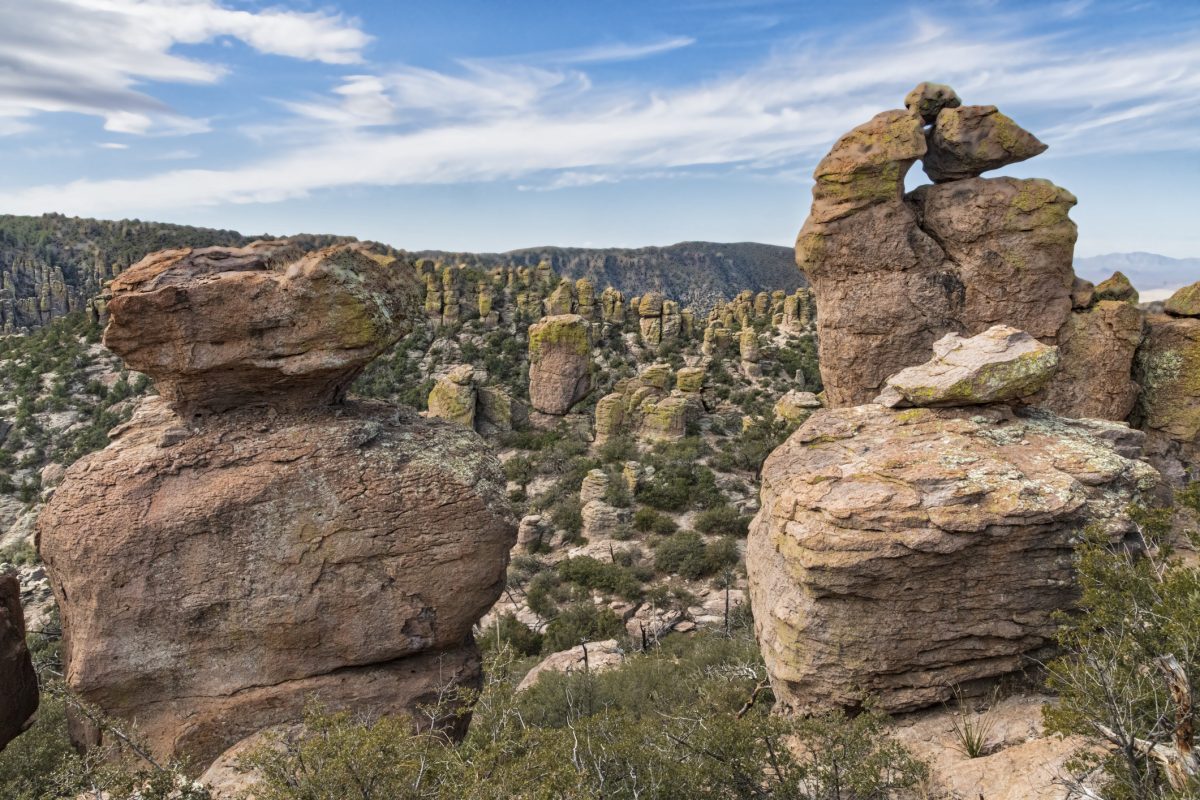
Chiricahua, long celebrated for its dramatic rock spires, hoodoos, and deep canyons, was first protected as a national monument in 1924. The redesignation to national park status is largely ceremonial—it does not change how the land is managed—but it carries significant branding and tourism implications. National parks typically draw more visitors and federal funding than monuments, which could boost the local economy.
The legislation passed with bipartisan support, reflecting a broader trend in recent years to elevate popular monuments to park status. Lawmakers from Arizona, including both senators and several House members, championed the change, arguing that Chiricahua's scenic and cultural value warranted the higher designation.
Political and Local Reactions
Governor Katie Hobbs, a Democrat, praised the move, saying it "cements Arizona's place as a premier destination for outdoor enthusiasts" and honors the legacy of the Chiricahua Apache people. Republican lawmakers also hailed the decision, framing it as a win for public lands and economic development in rural areas.
However, some tribal leaders expressed caution, noting that the park's name and history are tied to the forced removal of the Chiricahua Apache in the 19th century. They emphasized the need for ongoing consultation and co-stewardship as the park gains more attention.
Broader Context
The designation comes amid a broader national debate over federal spending priorities, with some conservatives questioning the cost of expanding the national park system. Yet the bill passed with minimal controversy, a rare bipartisan achievement in a polarized Congress.
Chiricahua's upgrade also highlights the growing importance of state and local leadership in conservation efforts, as governors and mayors increasingly drive environmental policy at the subnational level.
The park is expected to see an uptick in visitors, which could strain existing infrastructure. Park officials have already begun planning for increased traffic, including potential upgrades to trails, campgrounds, and visitor centers.
For now, Chiricahua joins the ranks of iconic destinations like Yellowstone and Yosemite, offering a rugged, less-crowded alternative for those seeking the American West's dramatic landscapes.