When most people think of diplomacy, they picture heads of state at summit tables, ambassadors presenting credentials, and carefully worded communiqués. But as a former U.S. ambassador to Portugal, I learned that the most enduring partnerships often form far below the national level—in city halls, regional council chambers, university labs, and corporate boardrooms. It is there that local leaders grasp what a new investment truly means for the people who will fill the jobs it creates.
This reality was brought home during my tenure in Lisbon, when American tech giants—including the hyperscale data center operators that underpin the digital economy—made significant commitments in Portugal. National frameworks set the stage, but the projects succeeded because of sustained, hands-on collaboration with mayors and regional officials alongside the national government. That work was rarely glamorous. It involved cutting through red tape to secure housing for workers, connecting companies with nearby communities, and helping residents understand the opportunities these investments would bring. No embassy could do that alone.
The reverse was equally true. When Portuguese firms looked to expand into the United States, their questions were intensely local: Which state, city, or region offered the best mix of geography, technical talent, and regulatory climate? Answering those questions required networks that extended well beyond Washington, D.C. This is subnational diplomacy in action—and it has moved from the margins of foreign policy to its center.
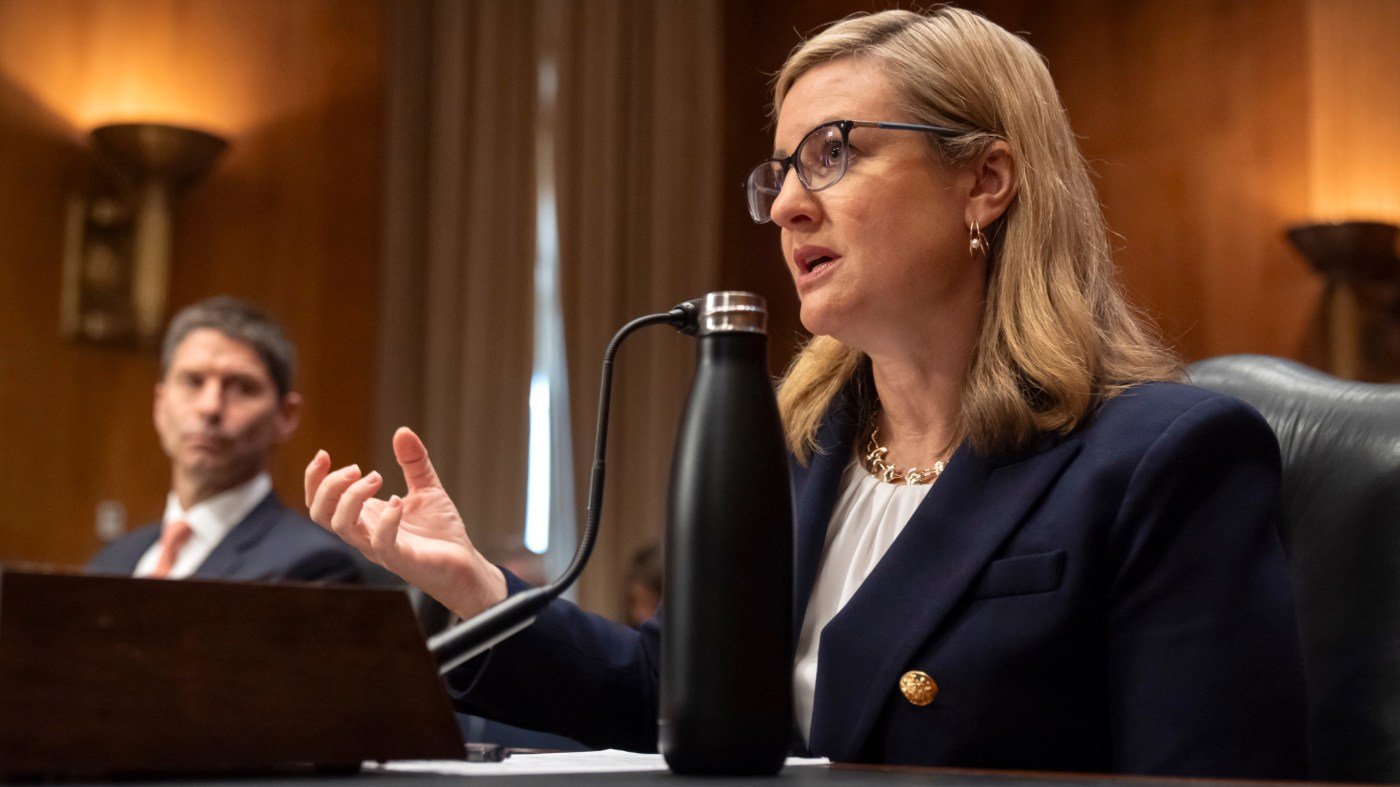
Foreign governments now routinely send delegations to Phoenix and Kansas City, not just the capital, because governors and mayors play a decisive role in where companies choose to invest and create jobs. Phoenix is a prime example. Mayor Kate Gallego (D) told a seminar I led for the Meridian International Center that a major semiconductor investment in her city “would not have happened without those subnational relationships,” which helped Phoenix “get in the door and make the pitch for what is for our city a generational investment.”
Local leaders are uniquely equipped for this work. A mayor understands how trade and technology translate into a tangible opportunity on a specific street corner. A governor knows which workforce training programs can scale to meet employer demand. The best local leaders recognize that they cannot deliver for their constituents at home without engaging abroad. Marvin Rees, the former mayor of Bristol, England, who now sits in the House of Lords, told the Meridian audience that he could not achieve his city's goals without first helping shape the national and international context in which it operated.
The lesson I took from Lisbon is that relationships come first. Much of my job was convening people from technology, business, government, and civil society to build trust and solve problems. Trust built across a table rarely appears in a treaty, but it is what keeps a project moving when a permit stalls or a company needs a partner who will answer the phone. Subnational diplomacy is too often treated as an afterthought—a matter of sister-city ceremonies and trade-mission photo ops. National governments should treat it as a strategic asset. That means bringing mayors and governors into economic and technology policy conversations earlier and more often. It also means embassies doing more to connect foreign partners with American cities and towns beyond the coasts and the capital.
In an era of rapid technological change, America's states, cities, and towns are engines of ingenuity. As Kansas City Mayor Quinton Lucas told the seminar, subnational diplomacy is “an opportunity for America to really exist and operate at its best.” Some of the most consequential diplomacy of the coming decade will not happen at a summit. It will happen when mayors, executives, and foreign officials sit down at the same table and decide to build something together. The job of American diplomats is to make sure that table is set. For more on how local engagement shapes national interests, see how strategic retreats can be countered by grassroots economic ties, or how return-to-office mandates could undermine the innovation that drives these investments.
Randi Charno Levine is a former U.S. ambassador to Portugal, a distinguished fellow in the Transatlantic Security Initiative within the Atlantic Council’s Scowcroft Center for Strategy and Security, and a trustee of Meridian International Center.