President Donald Trump has spent his political career offending Democrats, alienating independents, and now, with midterm elections just weeks away, he appears to be turning off his own base. The strategy is hardly a recipe for success, and signs are emerging that dispirited Republican voters may stay home in November, according to a recent New York Times report.
Even some Republicans have grown weary of the chaos, the constant feuding, and the daily drama. As a former Republican state lawmaker from Michigan told the Times, “People are tired. The whole divider-in-chief thing, it’s gotten to the point where it’s just exhausting.” That sentiment is likely shared by many, and it poses a serious threat to GOP turnout.
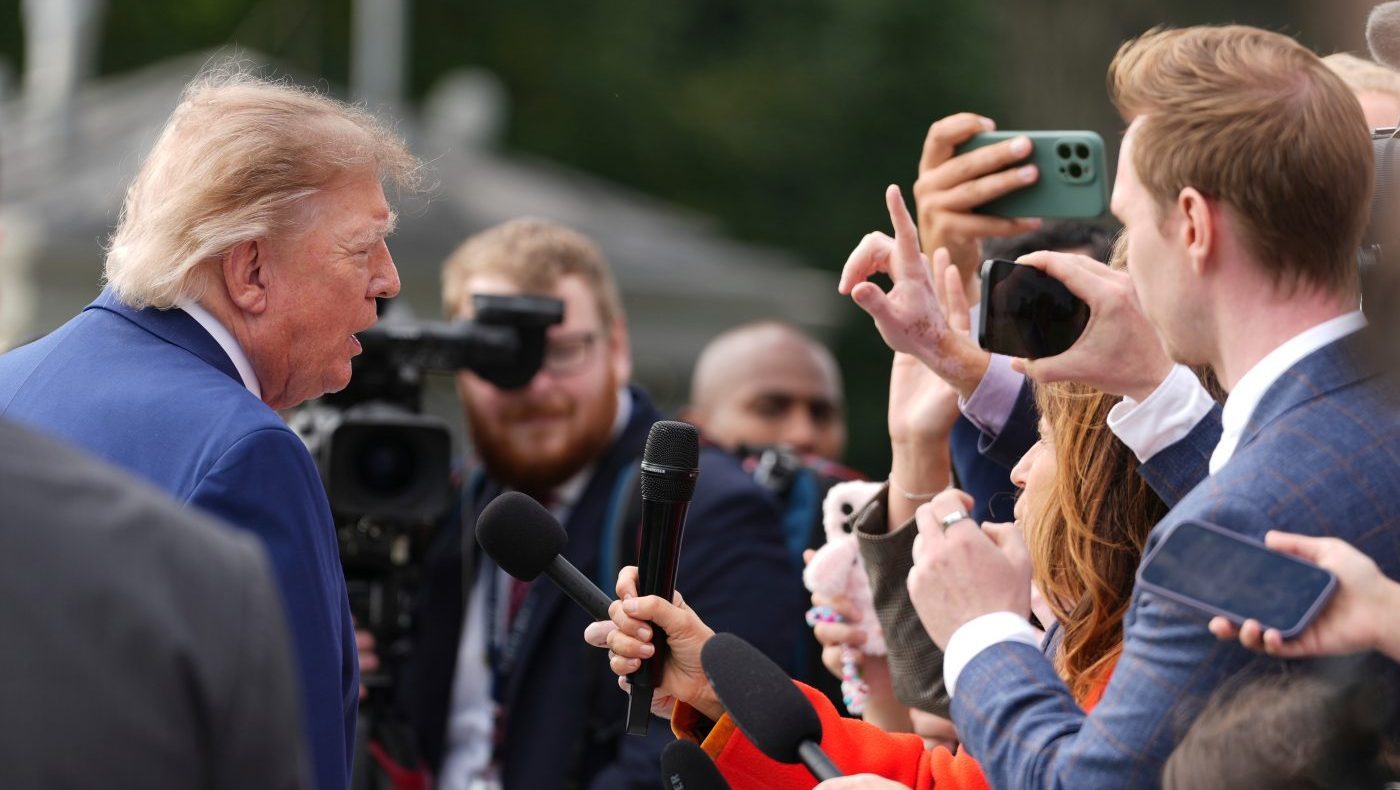
Trump’s response has been to urge Republicans to vote as if he were on the ballot. But that advice may backfire: some Republicans might take it literally and stay home. Trump has always been his own biggest fan, and he seems to assume that his self-adoration is universally shared. Yet the reality is that his approval ratings are underwater, and his polarizing style could suppress the very turnout he needs.
The president’s pitch is simple: vote Republican or face dark days under Democratic control. But if Democrats take the House—and possibly the Senate—dark days are indeed ahead, not just for the country but for Trump himself. A Democratic Congress would likely launch investigations into his administration, his business dealings, and his allies. Impeachment, while a third attempt might be politically unwise for Democrats, remains a distinct possibility, especially given pressure from the party’s left wing.
House Minority Leader Hakeem Jeffries, who could become speaker, may find it difficult to resist the calls for retribution. Democrats could target a wide range of issues: deportations, presidential pardons, the renovation of the White House East Wing, and the ongoing conflict in Iran. Defense Secretary Pete Hegseth, Attorney General Todd Blanche, FBI Director Kash Patel, and other Trump loyalists could find themselves in the congressional crosshairs.
The investigations would be numerous and wide-ranging: the Trump family business, Jeffrey Epstein, tariffs, the president’s attacks on the media, and taxpayer-funded advertisements that flatter Trump. Democrats might even try to subpoena the president himself, though he would likely refuse to comply. They could have better luck dragging his closest aides, like chief of staff Susie Wiles, before committees—though she would probably also resist.
The result would be endless hearings, subpoenas, accusations, and political theater, keeping cable news busy for years. None of this is inevitable, of course. Polls have been wrong before. But too many surveys point in the same direction: Trump is about as popular as the flu. Midterm elections are essentially a referendum on the president, and Republicans have good reason to worry, especially when Trump insists on making the election about himself.
If the results are as bad as Republicans fear, the postmortem will begin almost as soon as the polls close. Trump will blame the “fake news media,” rigged elections, RINOs, disloyal Republicans, and anyone else within shouting distance. But one thing is certain: he will never blame himself. As recent analysis shows, the electoral map is shifting toward Democrats, and polls in key states reflect that trend. The financial strain on Trump’s political operation only adds to the uncertainty.
In the end, the midterms will reveal whether Trump’s brand of politics can still mobilize the base or whether it has finally exhausted even his most loyal supporters. The stakes could not be higher—for the president, for the GOP, and for the future of American governance.