The Ukraine conflict has once again dominated American headlines, with President Trump openly frustrated by Volodymyr Zelensky's insistence on targeting Russian energy infrastructure. Zelensky argues these strikes are essential to weaken Moscow's war machine, but they ripple through global energy markets and, politically, threaten to undercut Republican prospects in the upcoming midterms.
Enter a pragmatic proposal: Ukraine agrees to stop hitting Russian oil and gas facilities, and in return, the U.S. expands the use of SpaceX's Starshield—currently limited to Ukrainian territory—to allow strikes deep inside Russia. The idea, floated by Senator Kevin Cramer (R-ND) on Face the Nation, has reportedly found favor with Zelensky. As Cramer detailed, this swap could preserve Russian energy exports that the world relies on, while giving Ukraine a sharper tool to target military assets directly.
For Trump, the appeal is clear. His administration has been sensitive to how rising energy prices fuel domestic backlash against the war, a concern echoed in recent polling on GOP midterm vulnerabilities. This deal would shield American consumers from further price spikes, potentially easing the political heat. Meanwhile, Putin would loathe the arrangement—he has long wielded the threat of gas cutoffs to deter European support for Ukraine. Removing that leverage is a strategic win for Washington.
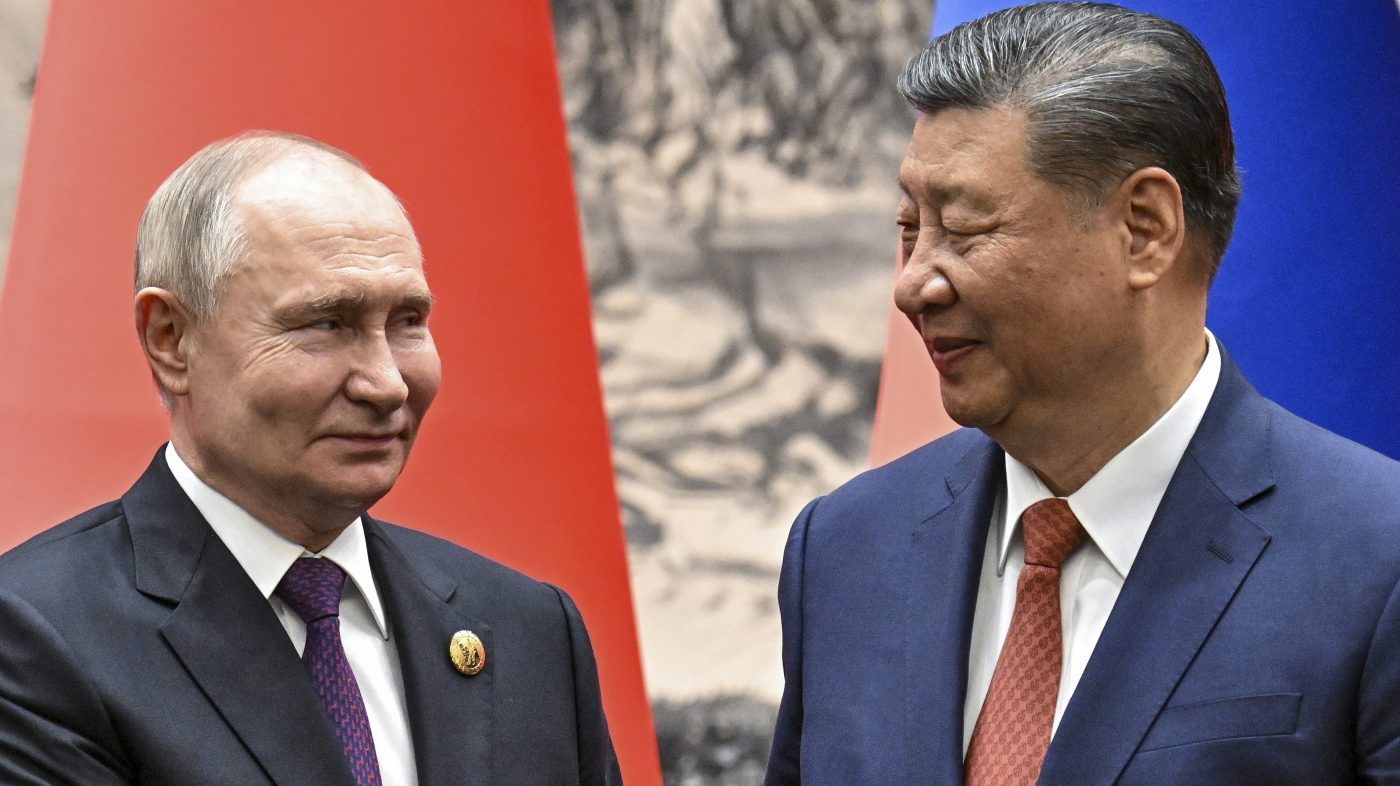
The proposal also carries a geopolitical message: Putin's recent push for a summit with Trump and Xi Jinping suggests he's feeling the squeeze. But including China at the negotiating table is a non-starter. The U.S. should keep talks to Kyiv, Moscow, and Washington—bringing Beijing in would only legitimize a rival that has backed Russia's war effort. Some senators have already cautioned that Putin may be manipulating Trump's desire for a quick resolution, and involving Xi would compound that risk.
From a U.S. perspective, the trade-off is a win-win. It maintains pressure on Russia without destabilizing global energy markets, and it gives Ukraine a more precise way to fight. Once the war concludes, Europe could resume buying Russian energy, fostering shared prosperity—but that's a post-conflict scenario. Until Moscow is ready for genuine negotiations, the pressure must remain.
Critics might argue that expanding Starshield escalates the conflict, but the system is designed for military-grade surveillance and targeting, not offensive strikes. It would enable Ukraine to strike Russian troop concentrations, logistics hubs, and command centers with greater accuracy, reducing collateral damage and civilian casualties. That's a more humane approach than hitting energy infrastructure, which affects ordinary Russians and global markets alike.
Trump should seize this opportunity. It aligns with his stated goal of ending the war quickly, addresses his midterm concerns, and counters Putin's energy blackmail. The alternative—allowing Ukraine to continue hitting energy sites—risks a prolonged conflict and economic fallout that could hurt Republicans at the ballot box. As envoys prepare to meet Zelensky, this deal should be on the table.
Ultimately, the war's end will come on terms acceptable to all parties—Russia, Ukraine, and the United States. But until Putin shows genuine readiness to negotiate, there's no reason to ease the pressure. This proposal offers a way to keep that pressure on without sacrificing energy stability or political capital.