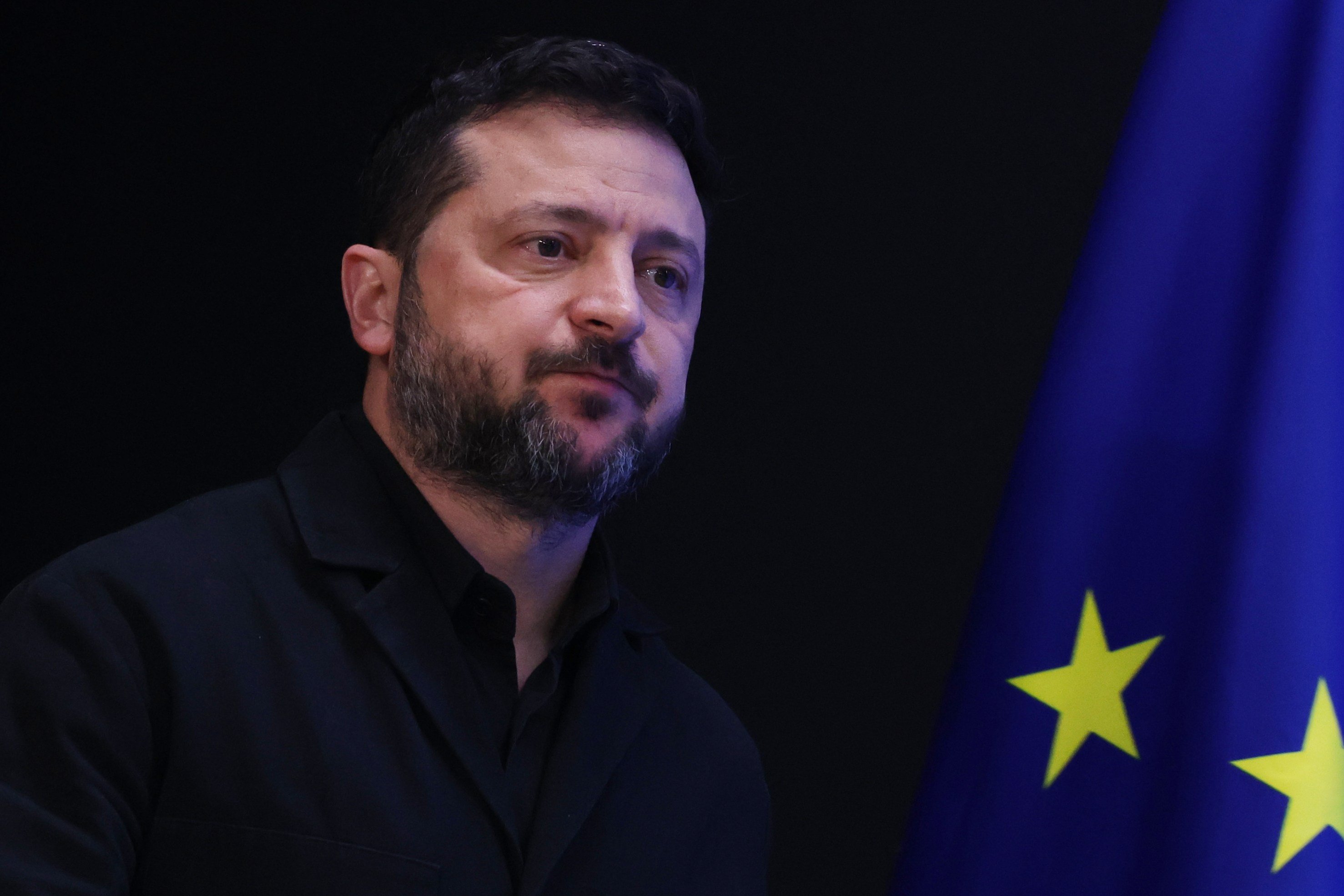
As the November midterms approach, Republican hopes of reclaiming Congress are fading fast. With voters increasingly focused on soaring fuel costs, President Trump has turned to a risky new tactic: blaming Ukraine. But the strategy appears to be doing more harm than good, alienating voters and even some within his own party.
Most economists point to the ongoing war with Iran as the primary driver of skyrocketing energy prices. In competitive races, Republican candidates have distanced themselves from the president, calling for an end to the conflict to ease pressure on consumers at the pump. Yet the administration has persisted in shifting the narrative toward Ukraine.
Treasury Secretary Scott Bessent began this push in early September, attributing the global energy shock to Ukrainian strikes on Russian oil infrastructure. Last week, Trump echoed this on Truth Social, claiming that gasoline prices are no longer about the Strait of Hormuz but about refineries being blown up by Ukraine. He then announced a deal with Russia to supply 300,000 tons of diesel to the U.S. and global markets—a negligible amount, less than what the U.S. transport sector consumes daily.
The announcement was met with immediate bipartisan backlash, seen as a unilateral concession to Moscow and a petty jab at Kyiv rather than real relief for Americans. The optics were disastrous, given that Americans of all political stripes hold deeply negative views of Russia. Bowing to Putin just weeks before the election is a dangerous gamble.
Undeterred, Trump has escalated his attacks on Ukrainian President Volodymyr Zelensky, calling for his removal and announcing an energy ceasefire between Russia and Ukraine. The problem? Zelensky was never consulted, and Russia violated the ceasefire almost immediately, striking Ukrainian energy infrastructure. Confusion now reigns over whether the U.S. will continue intelligence-sharing with Ukraine, especially after Zelensky said he received no warning of recent Russian strikes that killed civilians.
With nearly two-thirds of voters disapproving of Trump's foreign policy, this episode is only deepening public distrust. Polls show Republicans are now triaging House races, pulling back from seats once considered competitive. In North Carolina, GOP nominee Michael Whatley has zero reserved TV ad slots, and in conservative South Carolina, Republican Senate hopeful Darline Graham is under fire for her support of the Iran war, despite its impact on fuel costs.
Republicans are in survival mode, yet Trump remains fixated on punishing Ukraine. Instead of offering relief to voters, he is offering relief to Moscow—suspending sanctions on Russia that were proposed by Graham, in honor of her brother. As inflation climbs and energy prices stay high, the American people see no end in sight.
This is a moment of political peril for the GOP. Voters are looking for solutions, not scapegoats. The president's approach may please his base, but it is alienating the very independents and moderates who will decide the midterms. For more on how this is playing out, see GOP senators challenging Trump on Russia. And with approval ratings sinking, the path to victory is narrowing by the day.