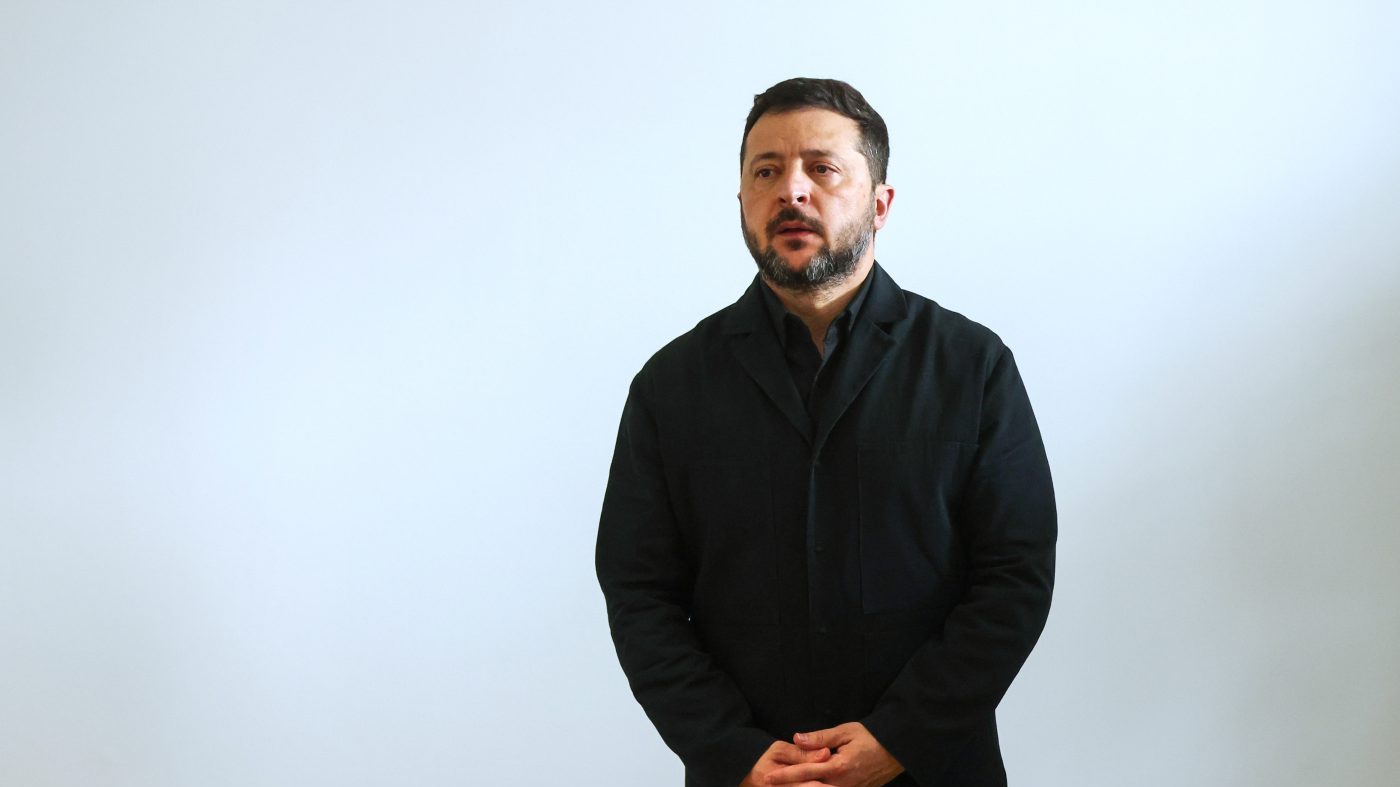
Ukrainian President Volodymyr Zelensky on Monday raised fresh doubts about whether the United States has actually resumed intelligence sharing with Kyiv, just one day after he said Washington had restored the flow of information that helps Ukraine defend against Russian missile strikes.
In a statement posted to social media, Zelensky said Russia launched a barrage of 16 ballistic missiles and dozens of drones at Ukraine's energy infrastructure overnight. The attack killed one woman in Kyiv and left more than half a million people without light, heating, or running water. Critically, Zelensky noted that Ukraine received no early warning from partner countries that previously shared such intelligence, suggesting that the promised resumption may not have materialized.
His comments came after he told NBC's Meet the Press on Sunday that intelligence sharing had been interrupted but later "de-blocked." At the time, he expressed gratitude, saying, "We are very thankful for this. Now it works." But Monday's attack, which damaged more than 10 energy facilities, appears to have undercut that optimism.
The Russian Defense Ministry confirmed what it called a "massive strike" against Ukrainian targets, part of Moscow's ongoing campaign to cripple Ukraine's energy grid as winter approaches.
President Donald Trump has repeatedly insisted that the U.S. has never stopped intelligence sharing with Ukraine, a stance echoed by Secretary of State Marco Rubio on Monday. Rubio, however, said he had no specific information about the overnight Russian attack, a remark that is likely to fuel concerns about the reliability of U.S. assurances.
The dispute over intelligence comes amid a broader deterioration in U.S.-Ukraine relations. In the same NBC interview, Zelensky accused the Trump administration of slowing down SpaceX's Starlink satellite services over Ukraine, alleging that "the message came from" the U.S. government to limit the communication tool. Trump has denied any involvement, and Treasury Secretary Scott Bessent has dismissed Zelensky's claims as reckless. The episode has raised fears of a wider U.S. abandonment, as Ukraine's Starlink disruption raises fears of U.S. abandonment.
Adding to the tension, Trump has waived U.S. sanctions on Russia and signed a deal to import Russian diesel, a move that critics say provides the Kremlin with a critical economic lifeline as its war in Ukraine grinds into its fourth year. Zelensky has urged Trump to reverse the diesel deal, but the White House has shown no sign of backing down. The clash over Starlink and the diesel deal has become a central flashpoint in the relationship.
Meanwhile, Zelensky pushed back against Trump's repeated accusations that he is blocking efforts to end the war. "Ukraine never wanted this war, and we have welcomed literally EVERY attempt by our partners to bring this war to a dignified end," he wrote. "We have responded positively to EVERY ceasefire proposal." He insisted that the conflict continues solely because of Russian strikes and Moscow's desire to prolong the war.
The developments come as Trump has sought to reshape the diplomatic landscape, with reports that Russian President Vladimir Putin is seeking a trilateral summit with Trump and Chinese leader Xi Jinping to reorder Ukraine negotiations. For Kyiv, the combination of diminished intelligence support, Starlink slowdowns, and economic concessions to Moscow paints a grim picture of its most important ally's commitment.