Saudi Arabia has delayed its flagship annual investment summit, known as “Davos in the Desert,” to next year after a series of deadly attacks by Iran-backed Houthi rebels on the kingdom earlier this month. The Future Investment Initiative (FII) Institute, which organizes the event, announced the postponement of the conference’s 10th edition, originally scheduled for Oct. 26–29 in Riyadh.
Dr. Maha bint Mishari Al Saud, the institute’s CEO and a member of the Saudi royal family, said the decision reflects a commitment to participants. “Because this is our landmark tenth edition, we want to ensure it delivers the full scale, extraordinary quality, and unforgettable impact that our community has come to expect and truly deserves,” she said in a statement. She added that new dates would be announced “soon.”
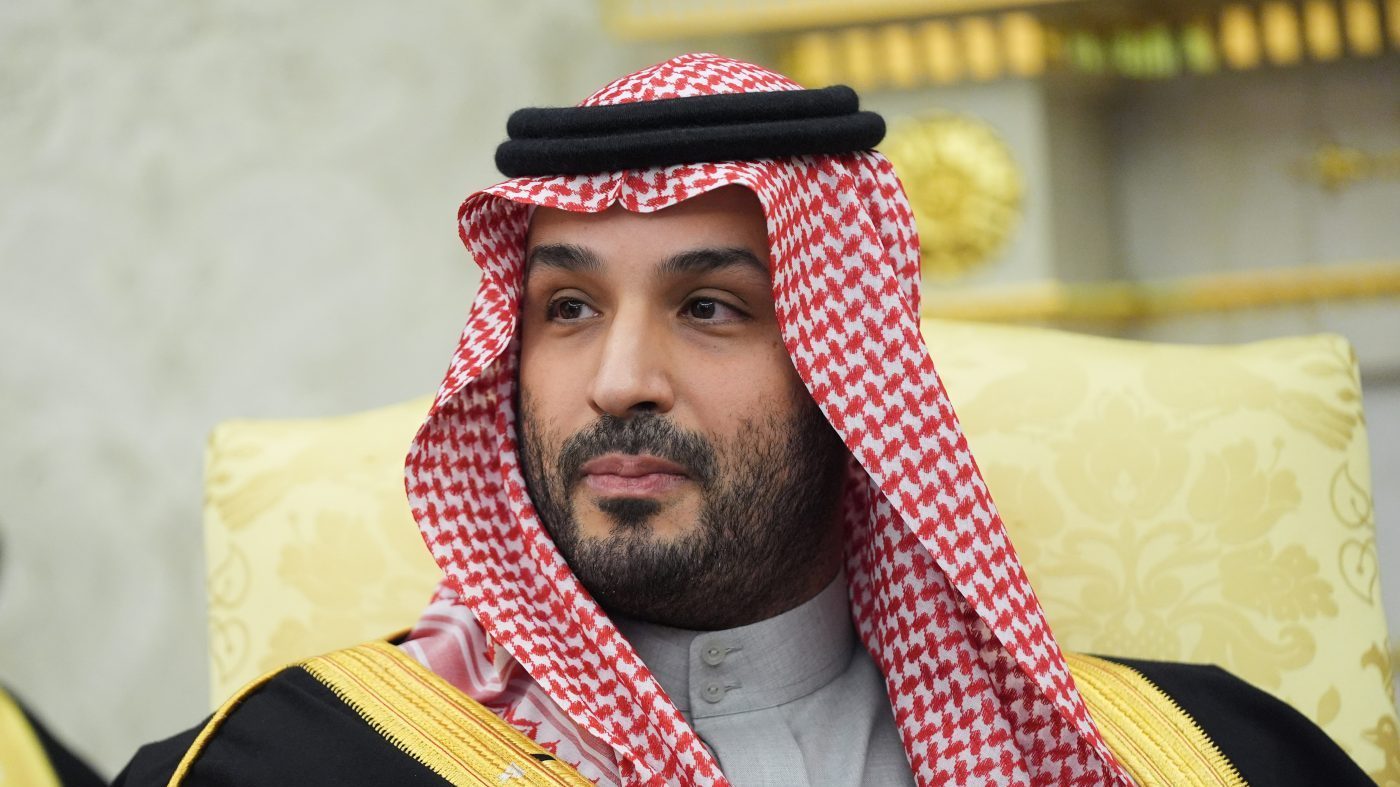
The conference had been set to draw a roster of global financial heavyweights, including Yasir Al-Rumayyan, governor of Saudi Arabia’s Public Investment Fund; Meta President Dina Powell McCormick; JPMorgan Chase CEO Jamie Dimon; BlackRock CEO Larry Fink; and Goldman Sachs CEO David Solomon. The event is a centerpiece of Crown Prince Mohammed bin Salman’s Vision 2030 agenda to diversify the economy away from oil and attract Western capital, tourism, and sports investment.
The postponement follows a sharp escalation in Houthi attacks on Saudi infrastructure. According to the General Authority of Civil Aviation, two strikes on King Khalid International Airport in Riyadh killed at least 13 people and wounded more than 320. The rebels also targeted King Fahd International Airport in Dammam. The Houthis have declared airports legitimate military targets in their conflict with the Saudi-led coalition, which has been fighting in Yemen for over a decade.
The attacks underscore the persistent security threat facing the kingdom despite its military campaign against the Houthis. The Saudi-led coalition has recently claimed progress in reclaiming key Red Sea towns from the rebels, but the strikes on major airports represent a significant escalation.
President Trump said Friday that Saudi Arabia would be open to Israeli support in combating the Houthis. “Saudi Arabia is very happy to have Israel’s support and our support,” Trump told reporters at the White House. His comments come amid speculation about a potential Saudi-Israel security pact, though analysts have cautioned that any normalization would likely be cautious and limited.
The postponement also intersects with broader U.S.-Saudi tensions. On Capitol Hill, lawmakers have moved to block a controversial nuclear deal with Riyadh, raising questions about the future of defense and energy cooperation. Meanwhile, the Houthi threat has prompted concerns about regional stability and the safety of international investments in Saudi Arabia.
The FII Institute said it remains committed to hosting the conference at a later date, but the delay signals that security concerns are weighing on the kingdom’s ambitious economic transformation. For now, the “Davos in the Desert” will wait until 2027, as Saudi Arabia grapples with the immediate fallout from the Houthi attacks.