Forces aligned with Yemen's internationally recognized government, backed by Saudi-led coalition airpower, recaptured several strategic areas near the Bab el-Mandeb Strait on Monday, according to Yemeni officials. The operation, dubbed “Yemen Dawn,” retook the town of Dhubab, just north of the strait, along with the towns of Bab and Hadeid, the officials said on condition of anonymity because they were not authorized to speak to reporters. Witnesses reported seeing government tanks and troops entering the towns.
The offensive unfolded under the cover of Saudi fighter jets, with coalition spokesman Maj. Gen. Turki al-Malki saying 100 aircraft were providing support to government forces. He said the coalition had secured “air protection” over the strategic strait—a vital chokepoint for global trade—and destroyed hundreds of Houthi targets. The push comes just days after Houthi rebels captured the town of Turbah, threatening to encircle the provincial capital of Taiz.

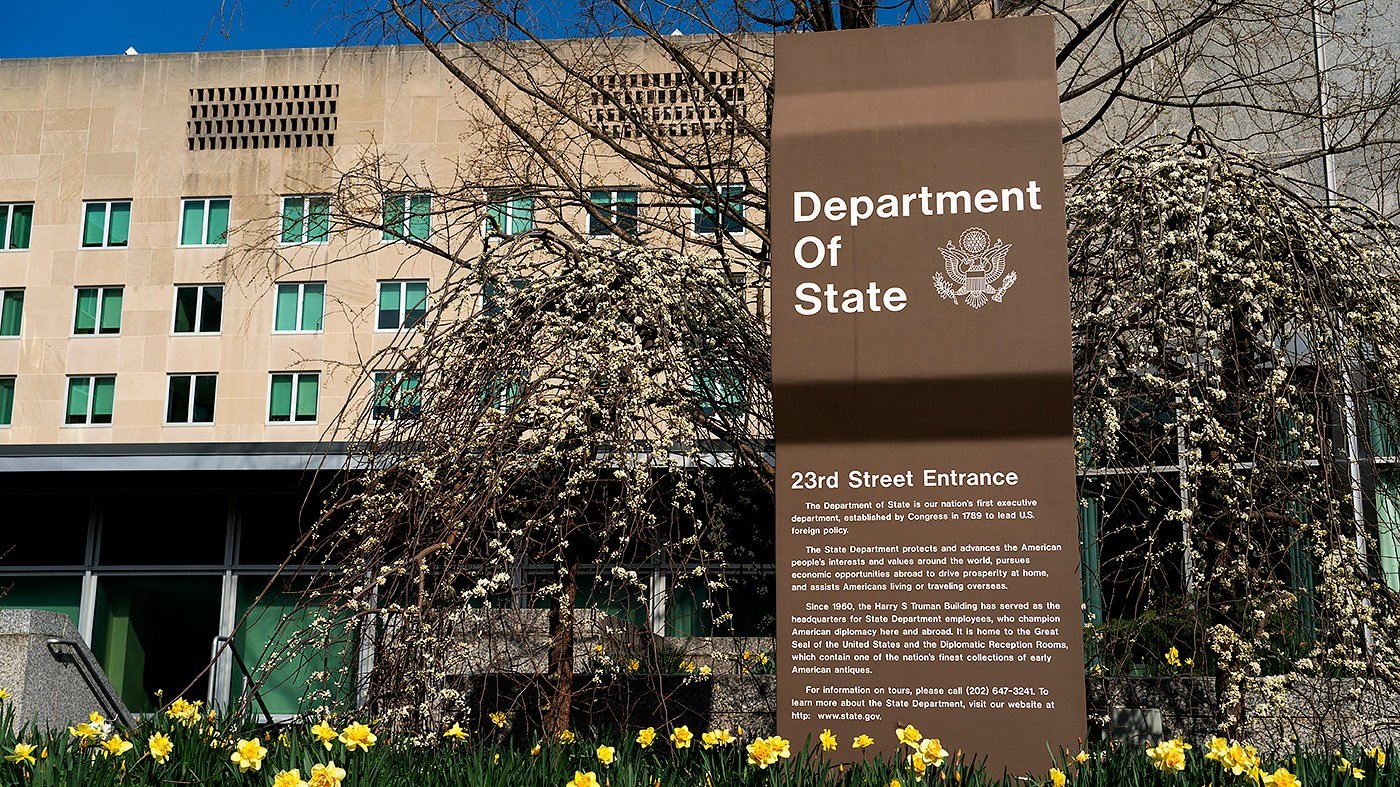
U.S. Secretary of State Marco Rubio told reporters that the Saudi-backed government had a right to hit back and reclaim territory. Asked about coordination, Rubio noted the defense agreement between Saudi Arabia and the United States but declined to offer specifics. Regional and U.S. officials, speaking anonymously, said Washington provided intelligence sharing, target identification, and planning support for the offensive, despite having withdrawn from direct coalition participation in recent years.
The U.S. Embassy in Riyadh warned American citizens on social media to remain vigilant against possible drone or missile attacks. This warning follows a pattern of escalating tensions, as U.S. officials have previously cautioned about Iran-linked threats in the kingdom.
Meanwhile, Pakistan and Turkey agreed to deploy military forces to Saudi Arabia under a joint defense pact. A statement from Pakistan's Foreign Ministry, issued after an emergency meeting in Riyadh, condemned “attempted attacks” on Mecca and Medina and ongoing strikes on Saudi cities, but did not specify troop numbers, contributing countries, or a timeline. The statement did not attribute responsibility for the attacks.
The Houthi seizure of Turbah on Sunday was a significant blow to government forces, cutting a key supply route linking Taiz to the port city of Aden, the interim seat of government. The Institute for the Study of War, a Washington-based think tank, assessed that the loss “will likely severely constrain Yemeni government-aligned forces’ ability to reinforce and resupply front-line positions” across Taiz province, and also prevents government troops from retreating out of the city.
The rebel advance on the western coast in early September captured the strategic city of Mokha and several Red Sea islands, giving the Houthis control over the Yemeni side of the Bab el-Mandeb Strait, through which about 12% of global trade passes. That gain, coupled with the fall of Turbah, has revived Yemen's civil war after a four-year ceasefire.
In a televised speech, Rashad al-Alimi, head of the Presidential Leadership Council, said the goal was “recovering the remaining territories” and called for international support. On Monday, he declared on X that “Yemen Dawn” aims to “restore state institutions, liberate” Sanaa, the rebel-held capital, and end “the Houthi terrorist militia coup.” The Houthi media office reported multiple Saudi airstrikes on their territory, including Sanaa.
The renewed conflict underscores the broader regional struggle, with Iran signaling potential deals on Hormuz and nuclear talks while Saudi clerics urge defense. The involvement of U.S. support also raises questions about Washington's role, especially given recent tensions over Iran's UN delegation. As the offensive continues, the risk of a wider regional conflagration grows, with the Houthis demonstrating their capacity to strike deep into Saudi territory.