The U.S. Embassy in Riyadh issued a stark warning on Wednesday, advising Americans to reconsider travel to Saudi Arabia due to the heightened threat of Iranian drone and missile attacks targeting U.S. interests in the kingdom.
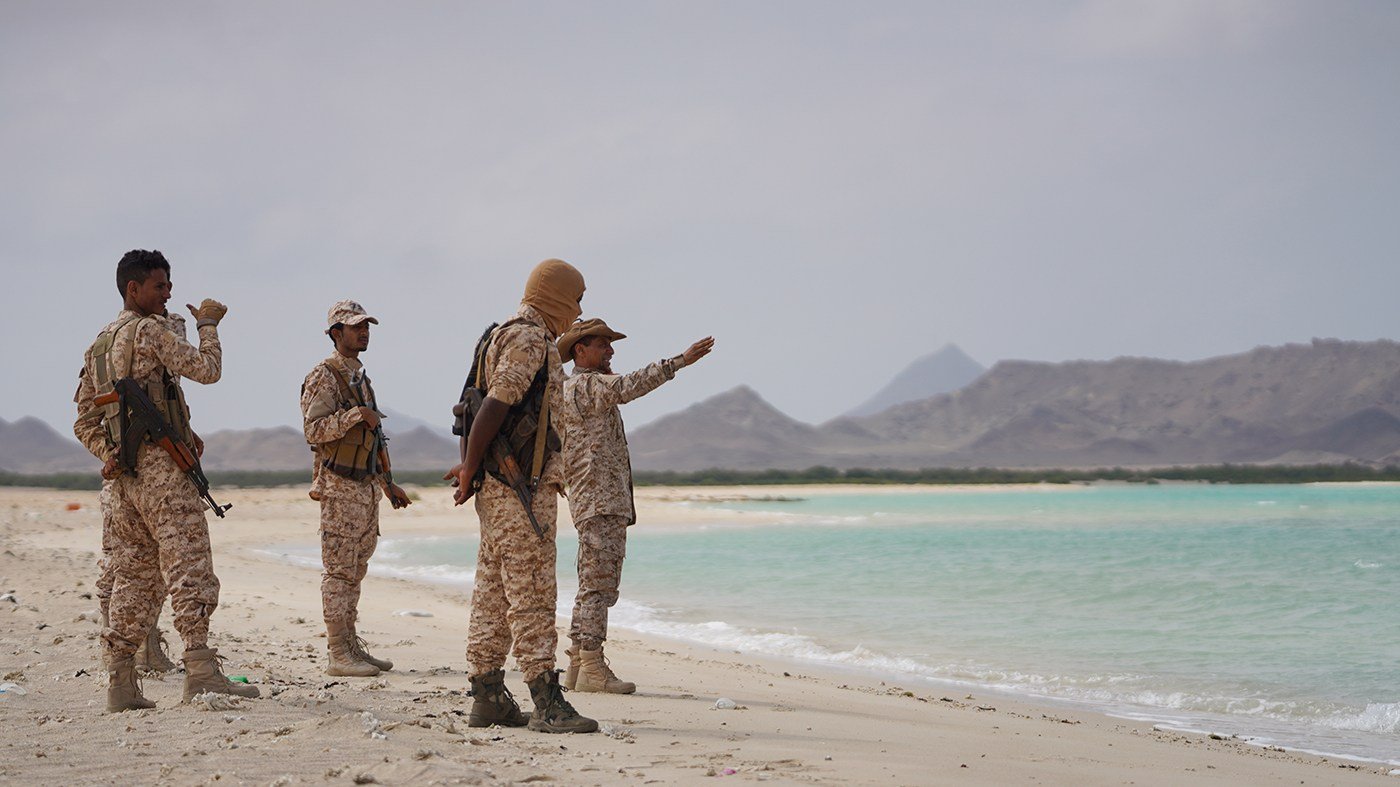
The Level 3 advisory, which urges travelers to weigh the risks carefully, also cited concerns over armed conflict, terrorism, exit bans, and strict local laws governing social media activity. The embassy specifically flagged the border region with Yemen as a no-go zone, citing ongoing terror threats.
"Terrorism is a concern in Saudi Arabia," the advisory states. "Attacks can occur with little or no warning, especially around holidays. They can involve knives, firearms, and vehicles. Terrorists may use violence to respond to direct attacks against them or other military operations in the region."
The warning comes as the U.S. government restricts its own employees from traveling within 20 miles of the Yemeni border and to the Persian Gulf city of Al Qatif, except for essential missions. Special authorization is now required for any travel to the provinces of Jizan, Asir, Najran, and Qatif.
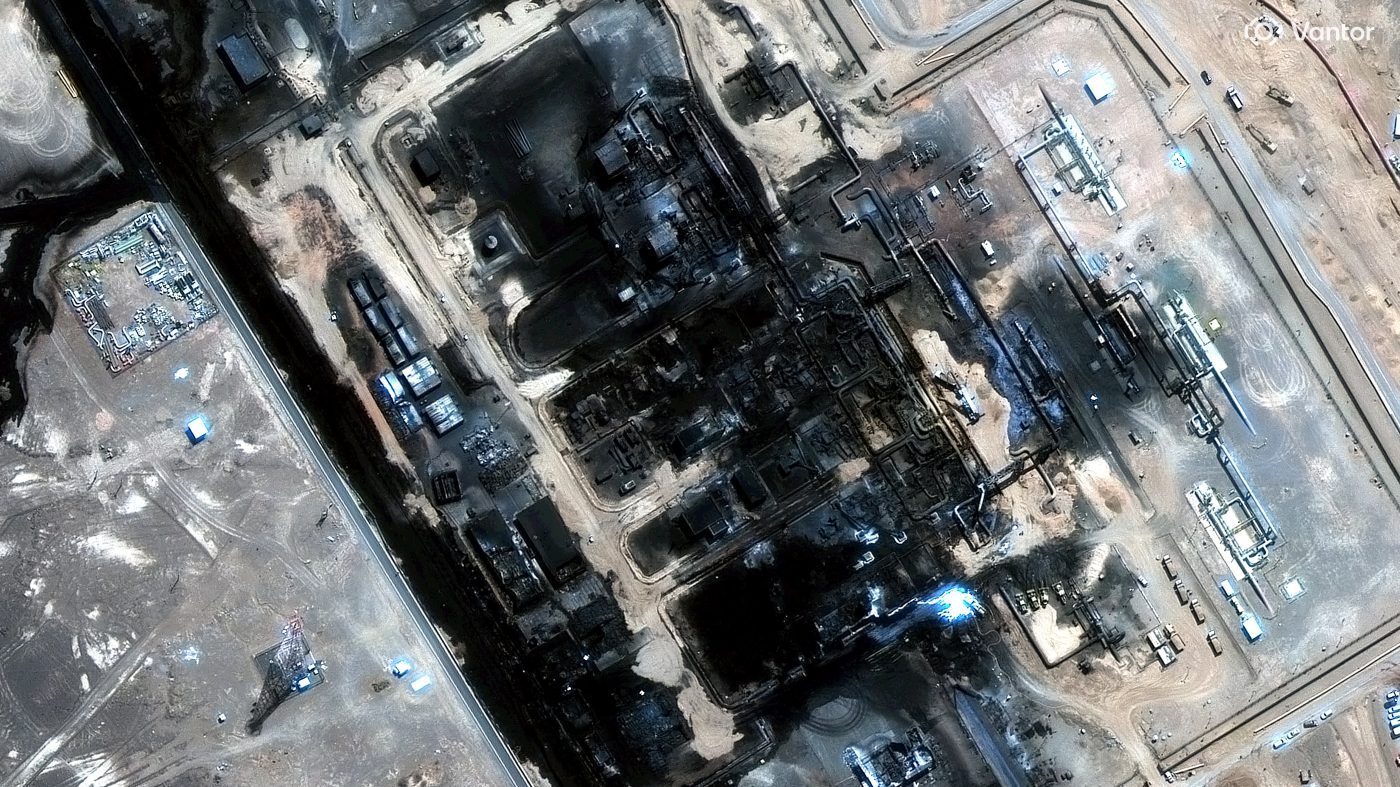
The immediate trigger for the advisory appears to be the recent Houthi attack on Saudi Arabia's East-West Pipeline, a critical artery that transports crude from the Persian Gulf to the Red Sea port of Yanbu. The pipeline, which typically moves between 2.6 million and 4 million barrels per day, has been shut down and could take up to five weeks to repair.
The assault on the pipeline has roiled global energy markets. Brent crude settled at $105.49 per barrel on Wednesday, while West Texas Intermediate climbed to $102.05. U.S. gasoline prices have also crept higher, with the national average hitting $4.37 per gallon, according to AAA. The spike follows Iran's closure of the Strait of Hormuz, a chokepoint for roughly 20% of the world's oil exports.
President Trump has remained publicly silent on the pipeline attack and reportedly declined a Saudi request for U.S. military strikes against the Houthis. Instead, Washington has dispatched advisers to assist the kingdom. Trump had previously authorized strikes on Houthi targets in March 2025 after attacks on commercial vessels in the Red Sea, and he warned in July that Iran would be held responsible for any further Houthi aggression against shipping.
The embassy's advisory underscores the fragile security environment in the region, where Iranian-backed proxies continue to pose a direct threat to U.S. personnel and vital infrastructure. For Americans considering travel to Saudi Arabia, the message is clear: the risks are real and could escalate without warning.