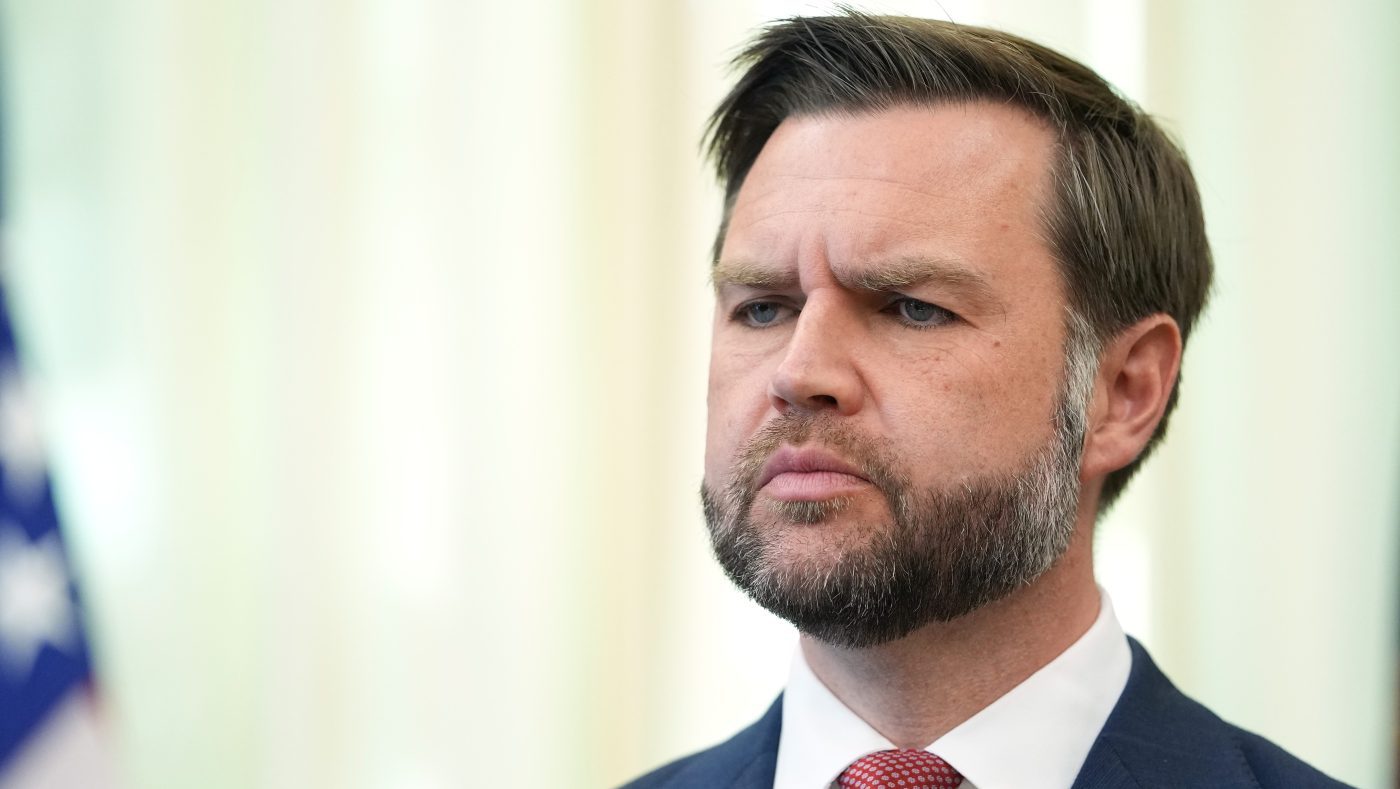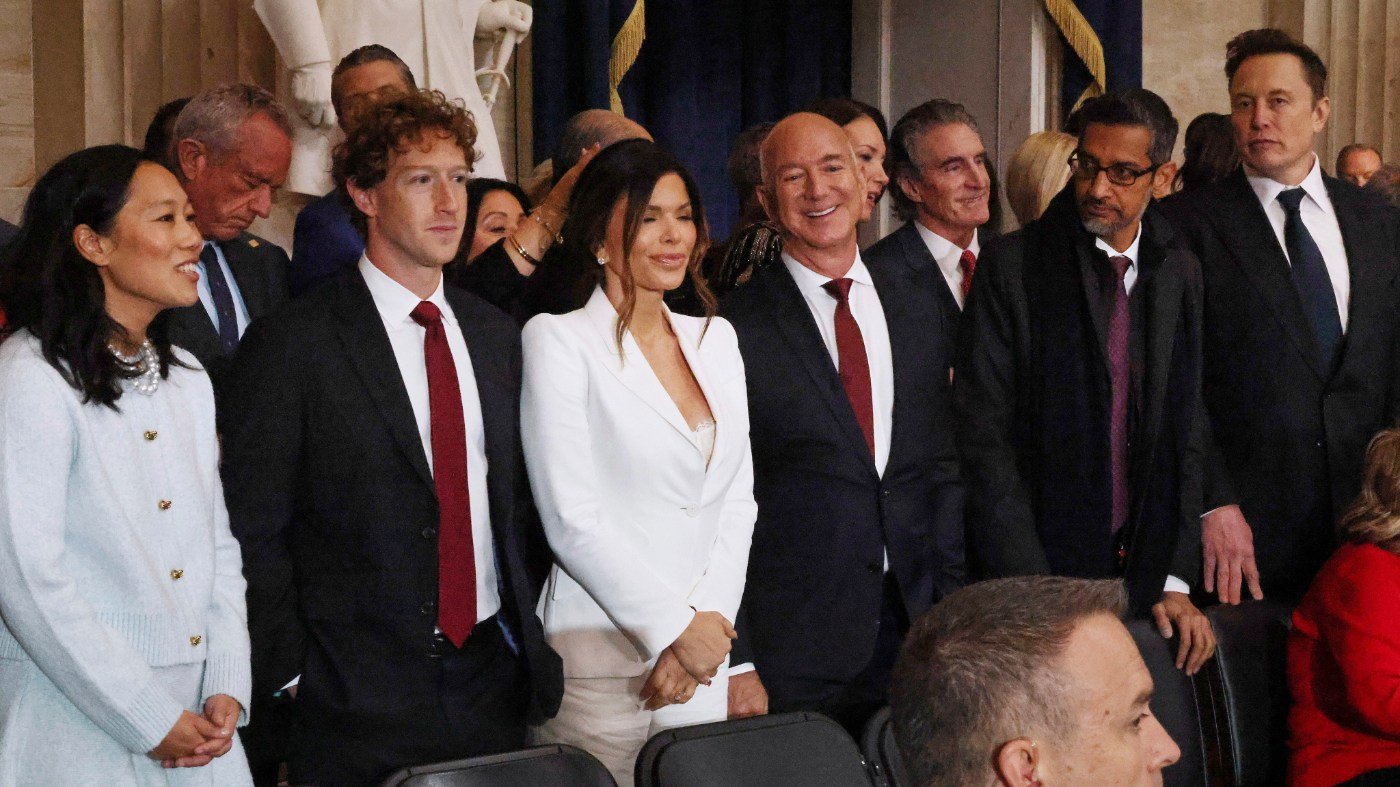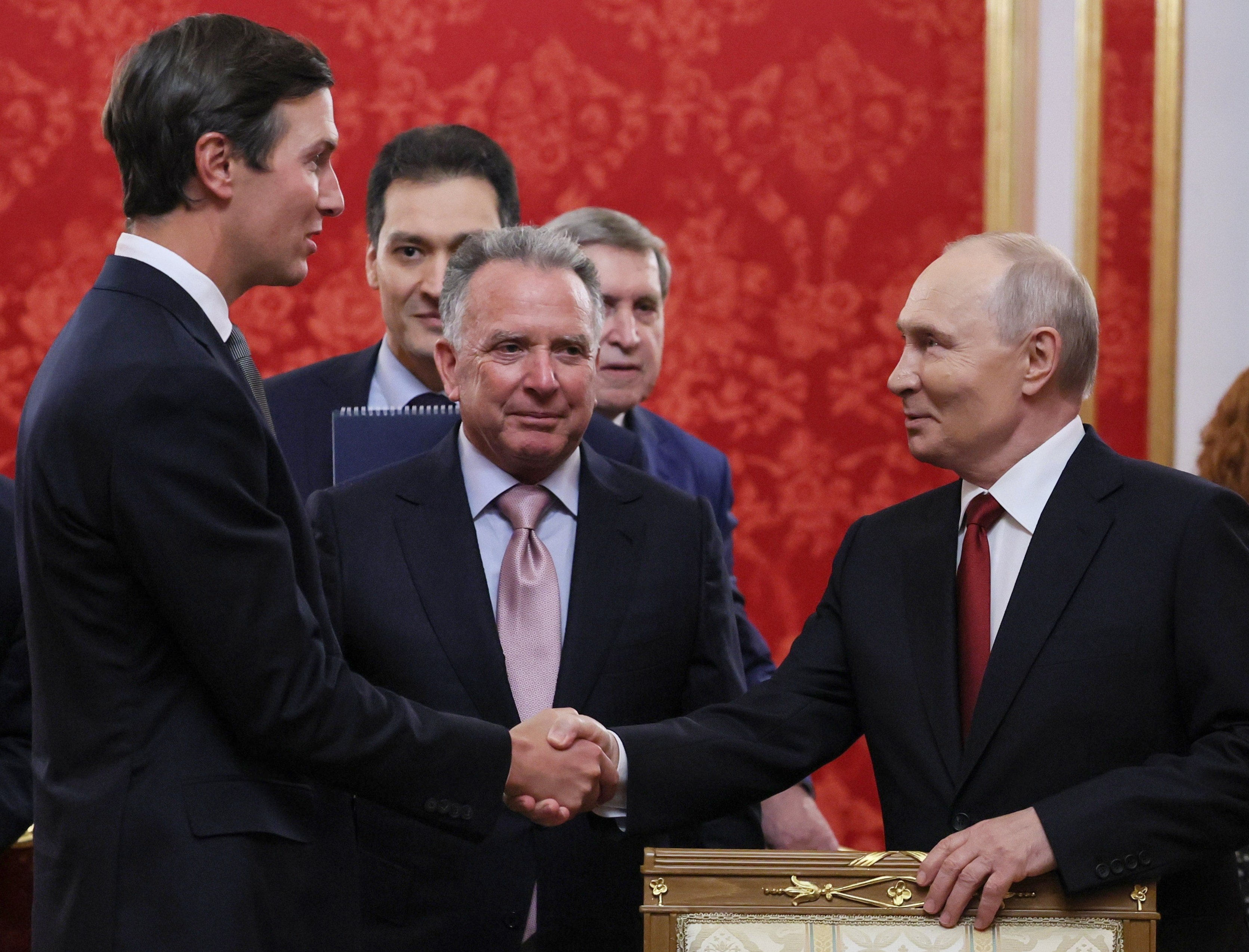
President Trump's increasingly friendly stance toward Russian President Vladimir Putin, including a possible trilateral summit with Russia and China to settle the conflict in Ukraine, is drawing sharp criticism from Republican lawmakers on Capitol Hill.
Several GOP senators have condemned the notion of Trump sitting down with Putin and Chinese leader Xi Jinping—two figures widely viewed in Congress as adversaries of American interests—to broker a peace agreement that Ukraine would have little choice but to accept.
Trump told reporters this week he would be open to a trilateral meeting with Putin and Xi, although he emphasized that the primary focus should be on nuclear weapons and nonproliferation, with trade as a possible secondary topic.
But the possibility that Trump could also negotiate Ukraine's future with Russia and China has alarmed some Republican senators, especially after Trump surprised GOP lawmakers on Friday by issuing an executive order that waived tough new sanctions against Russia that Congress had approved just last month.
GOP senators voice alarm
Sen. Bill Cassidy (R-La.) called a potential summit with Putin and Xi to decide Ukraine's fate "foolhardy" and "morally wrong."
"To not include Ukraine is nonsense," Cassidy said on Sirius XM's "The Julie Mason Show." "Ukrainians have got to be part of any peace deal. It's not only essential because otherwise we won't have peace, but it's also the right thing to do." He added, "Russia is trying to kill Americans around the world, covertly and overtly."
Sen. Thom Tillis (R-N.C.) went further, telling CNN that "Putin is playing President Trump like a fiddle" and warning that "history is not going to look good on an America that failed to rise up and defend the Western world if Putin actually gets his way." Tillis also dismissed the idea of a trilateral summit on Ukraine as "absurd," arguing that Xi and Putin "want to overwhelm the world."
Historical echoes and strategic risks
Daniel Fried, a former U.S. ambassador to Poland and former assistant secretary of State for European affairs, drew a direct parallel to the Yalta Conference of 1945, when Roosevelt, Churchill, and Stalin carved up postwar Europe into spheres of influence.
"A great power deal about [Ukraine] without them is called a new Yalta, and now you have the Russians proposing it. The Russians love it. The potential victims of such a deal hate it, and Republicans used to," Fried said, noting that for two generations, Republicans denounced the great-power dynamics of Yalta.
Fried, now a distinguished fellow at the Atlantic Council, said some Republicans still retain their traditional skepticism of the realpolitik approach Trump, Putin, and Xi embody. "That muscle memory in the Republican Party is not entirely forgotten," he said, calling the proposed summit "a terrible idea." He warned, "We would choose diplomatic ground stacked against us. We would be in a weaker position, and the idea that Trump is wary enough and nimble enough to avoid traps and blandishments is simply not credible."
"If Ukraine was discussed, you could have Trump ending up in a bad or irreparably bad situation," Fried added.
Sanctions waiver draws ire
Former Republican Sen. Judd Gregg (N.H.), who once served as ranking member of the Senate Appropriations Subcommittee on State and Foreign Operations, called Trump's decision to waive Russia sanctions "beyond inexcusable." The sanctions were part of legislation named after the late Sen. Lindsey Graham (R-S.C.), a strong Trump ally.
"These sanctions were put in with his support, I presume, and they reflect a very strong opinion of the Congress and of the American people that Russia has invaded a democracy and killed tens of thousands of people and they are very clearly at fault," Gregg said. "We should not be endorsing a dictatorship that has used power in this way to kill innocent people and to invade countries which they have no right to be in."
Trump allies see strategic outreach
Some Trump allies argue the president is simply keeping lines of communication open with powerful rivals. Ford O'Connell, a GOP strategist and former Trump campaign surrogate, said, "Trump wants to always have some sort of relationship with his adversaries even if he's doing a small deal so that when he really needs to push back and get something done, he can. He knows that Putin is a killer. He knows that Xi wants world domination."
But even some of Trump's most loyal Senate allies think he's giving Putin too much credit. Sen. Kevin Cramer (R-N.D.) told The Hill last month that Trump's invitation to Putin to attend the Group of 20 summit in Miami in December was "giving Vladimir Putin more credit than he deserves."
The sanctions waiver came days after Ukrainian officials blamed Washington for restricting its access to Starshield, the satellite-based internet network that enables Ukrainian forces to operate drones and other military aircraft to intercept Russian attacks. The Wall Street Journal reported Tuesday that Elon Musk, founder and CEO of SpaceX, ordered the slowdown of Ukrainian access, and that Musk and Trump discussed the decision after the slowdown became public.
Four Republican senators—John Cornyn (Texas), Susan Collins (Maine), and others—have also expressed concerns about the administration's approach to Russia and Ukraine, signaling a widening rift between the White House and Capitol Hill over foreign policy.