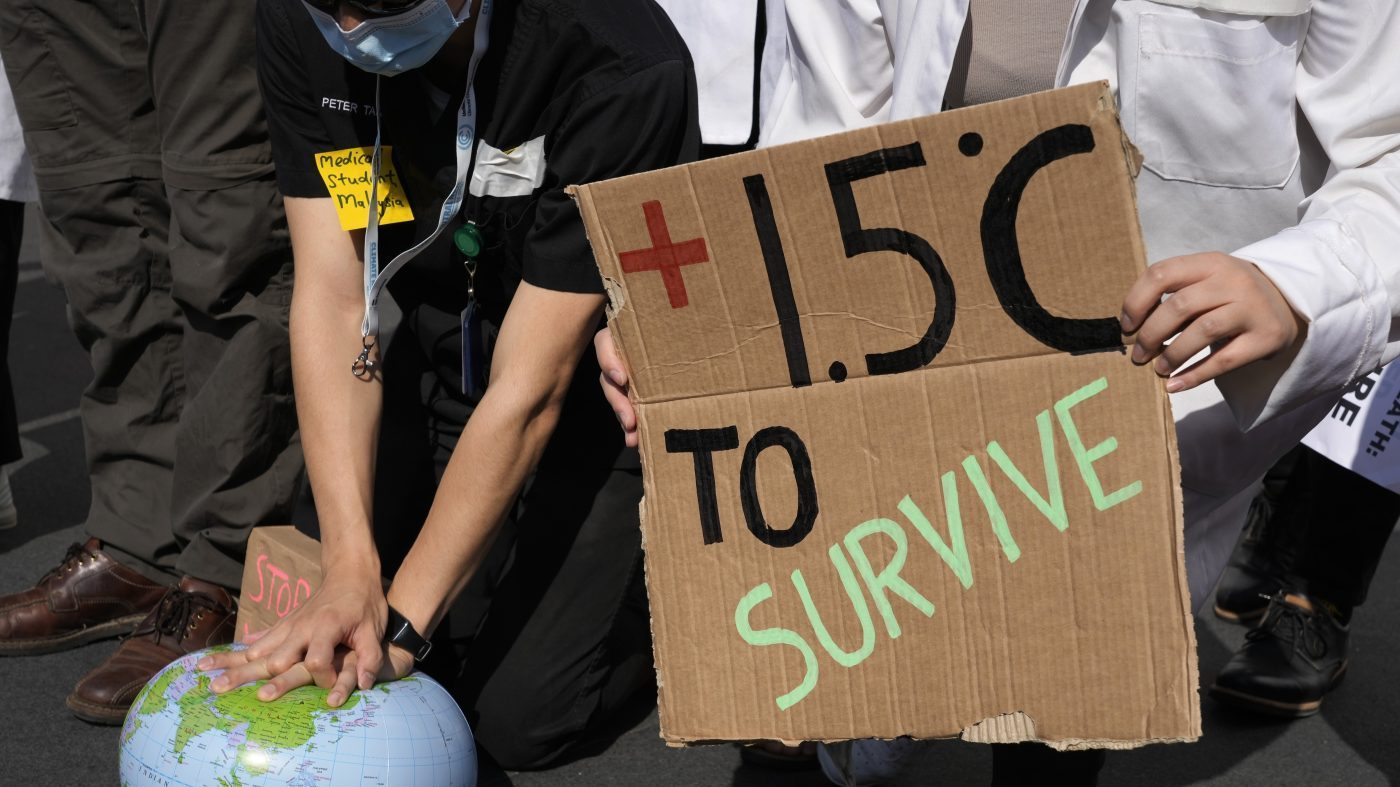
The United Nations Environment Programme (UNEP) released its annual Emissions Gap Report on Wednesday, delivering a stark assessment: the world will overshoot the 1.5 degrees Celsius warming limit set by the Paris Agreement, but rapid and deep emissions cuts could still limit the duration and severity of that overshoot.
The report, titled Emissions Gap Report 2026: The Point of Return, outlines a best-case scenario in which global temperatures peak at 1.7 to 1.8 degrees Celsius above pre-industrial levels around mid-century before gradually declining. To achieve that trajectory, global greenhouse gas emissions must fall by 18 percent by 2030, 45 percent by 2035, and 69 percent by 2040, all relative to 2025 levels.
Current national pledges, known as Nationally Determined Contributions (NDCs), fall far short. Full implementation would cut emissions by only 5 to 8 percent by 2030 and 11 to 15 percent by 2035, compared with 2025. Under existing policies, warming could reach 2.8 degrees Celsius this century and continue rising. Even if all current pledges are met, temperatures would still climb to 2.6 degrees Celsius.
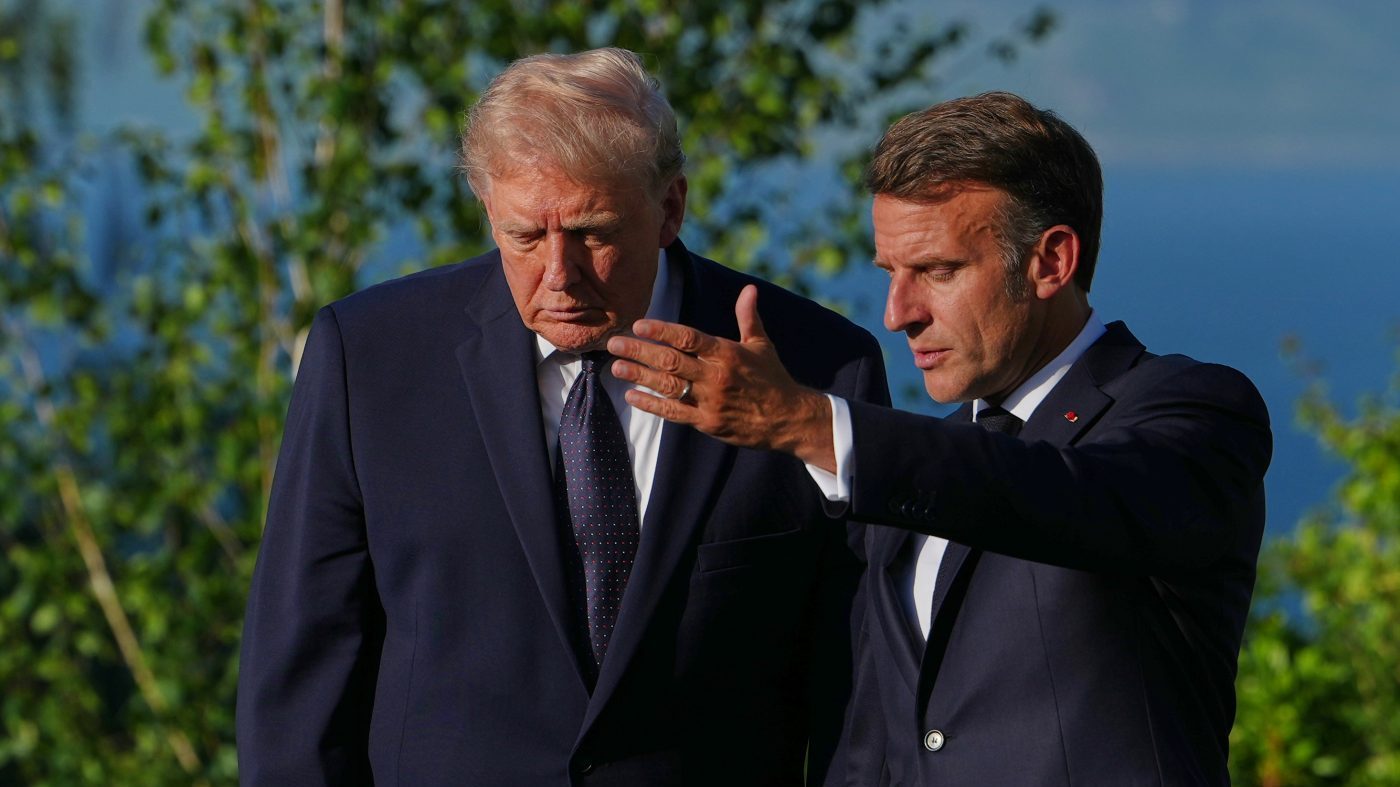
UNEP noted that these projections are worse than last year’s, attributing the downgrade to the United States’ withdrawal from the Paris Agreement and revised estimates of historical emissions. The U.S. exit, initiated by President Trump’s executive order and effective earlier this year, marks the second time a Trump administration has pulled out of the global pact. The move has drawn criticism from allies and climate advocates, who warn it undermines international efforts. As reported by The World Signal, the withdrawal has also complicated broader diplomatic dynamics, including the ouster of a key ambassador amid an ethics scandal.
UNEP Executive Director Inger Andersen stressed the stakes. “Every additional fraction of a degree and additional year of warming above 1.5 degrees Celsius increases the chance of climate impacts and risks,” she said, pointing to “the deadly floods, heatwaves and wildfires that have plagued many nations this year.”
Andersen called for maximum effort: “So, we must pull out all the stops to minimize peak warming and return to 1.5°C by the end of the century.”
The report’s findings come as the Trump administration continues to reshape U.S. climate policy, prioritizing energy independence and domestic industry over international commitments. The White House has argued that the Paris Agreement imposes unfair economic burdens, a stance that has resonated with some voters but alarmed scientists and world leaders. Meanwhile, the administration’s focus on domestic messaging has been evident in recent press briefings, where the new press secretary deflected tough questions on a range of issues.
Internationally, the U.S. withdrawal has left a leadership vacuum that other powers, notably China, are eager to fill. As The World Signal has reported, China is making strategic inroads in developing nations, winning AI market share while the U.S. focuses on frontier tech. A similar dynamic could play out in climate finance and green technology, where Beijing has already invested heavily.
The UNEP report makes clear that the window for action is narrowing. Without a dramatic shift in policy, the world is on track for catastrophic warming. But the report also offers a sliver of hope: if governments act decisively, they can still prevent the worst outcomes and bring temperatures back down by 2100. The question is whether political will can match the scientific urgency.