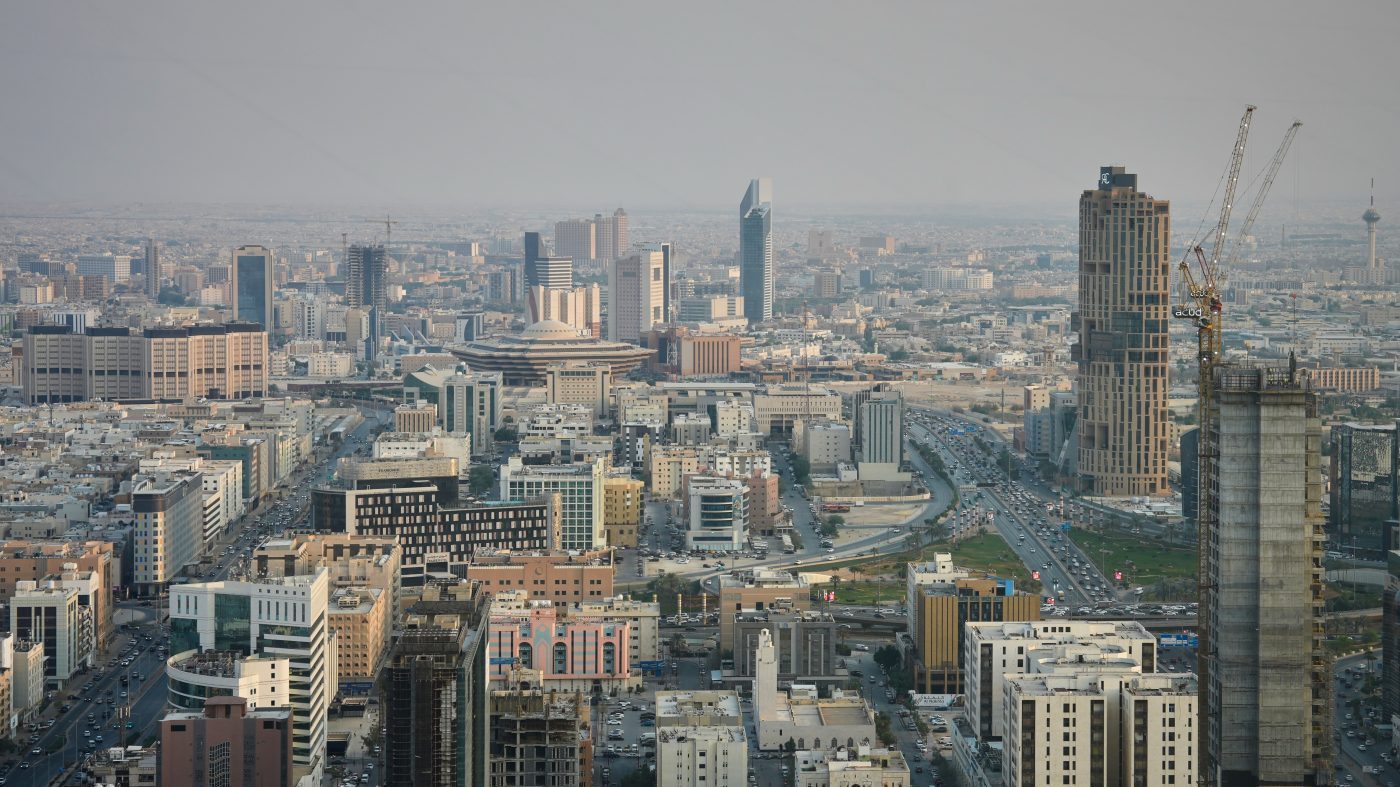
An overnight assault on a major Saudi Arabian airport by Iranian-backed Houthi rebels has left one person dead and eight others wounded, according to Saudi aviation authorities. The strike, which hit King Fahd International Airport in the eastern city of Dammam on Wednesday evening, marks the latest escalation in the rebels' campaign against Saudi infrastructure.
The General Authority of Civil Aviation confirmed the attack in a statement, noting that the eight injured individuals were hospitalized with wounds ranging from mild to critical. Authorities are still assessing the full extent of the damage to the airport, which serves as a key hub for the region.

This incident is part of a broader series of Houthi attacks on Saudi airports and energy facilities, intensifying as fighting between the rebels and the Saudi-backed Yemeni government reignites. Earlier on Wednesday, Saudi air defenses intercepted a drone targeting the Shaybah oilfield operated by Saudi Aramco. Debris from that interception killed two people and injured two others, underscoring the growing threat to civilian and economic targets.
The Houthis have repeatedly struck other airports across the kingdom, including a devastating attack on King Khalid International Airport in Riyadh on October 12 that killed 12 people and injured hundreds. Abha International Airport and several Aramco facilities have also been targeted in recent months, raising concerns about the stability of Saudi Arabia's critical infrastructure.
U.S. Response and Security Measures
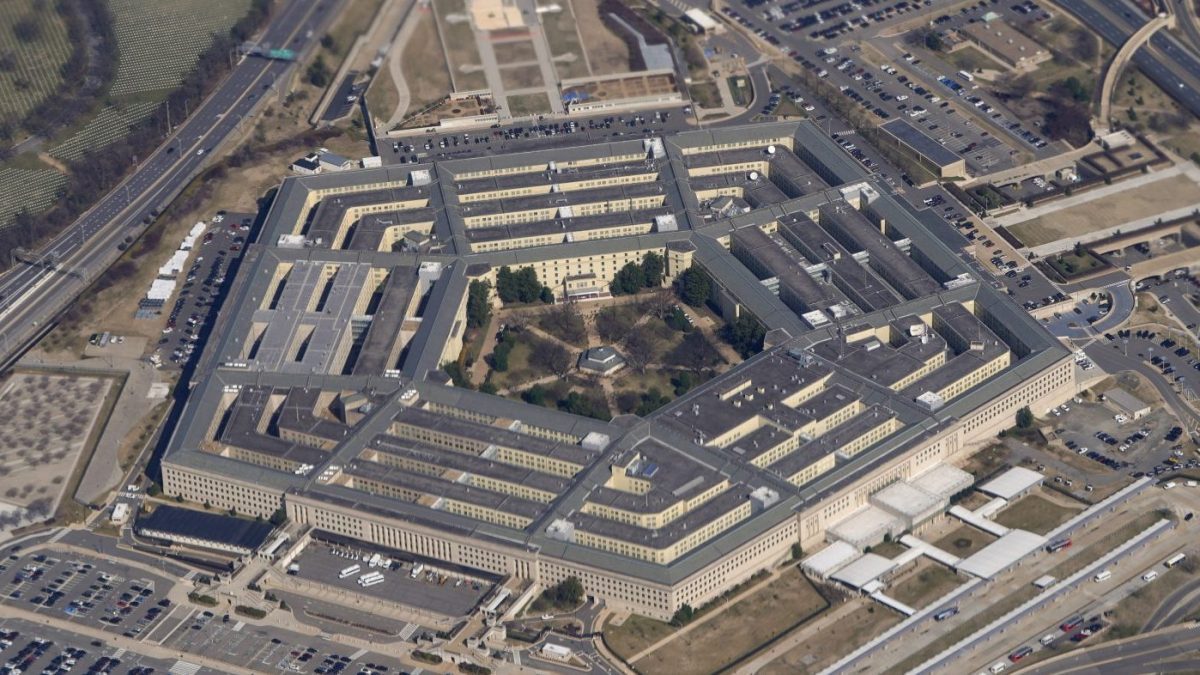
The escalating violence has prompted the United States to take precautionary steps. On Wednesday, the State Department ordered all nonessential U.S. government personnel and their families to leave Saudi Arabia, citing the heightened risk of further attacks. A State Department spokesperson told The Hill, "As the Department has repeatedly emphasized, the hostilities have the potential to escalate rapidly, including beyond that immediate area." The spokesperson added, "The safety and security of Department personnel and their families remain our highest priority, and we will continue to take all necessary steps to protect and support them as they return to the U.S."
The U.S. Embassy in Riyadh also issued a security alert advising American citizens to heed local emergency warnings. In a significant move, U.S. government employees must now obtain special permission before traveling through any Saudi airport, reflecting the elevated threat from missile and drone strikes.
The attacks have broader implications for regional security and international travel. Saudi Arabia had already postponed its high-profile investment conference, often dubbed 'Davos in the Desert,' to 2027, a decision that analysts linked to the ongoing instability. The renewed hostilities also come amid heightened tensions between the U.S. and Iran, with the Houthis acting as a key proxy in the region.
Local authorities in Dammam have increased security measures around the airport, but the frequency of such attacks raises questions about the effectiveness of current air defenses. The Houthis have demonstrated an ability to strike deep into Saudi territory, despite years of Saudi-led coalition operations aimed at degrading their capabilities.
For now, the focus remains on the victims and the potential for further escalation. The international community is watching closely as the conflict shows no signs of abating, with the Houthis vowing to continue their campaign until their demands are met. The U.S. evacuation order serves as a stark reminder of the volatile security environment in the region.