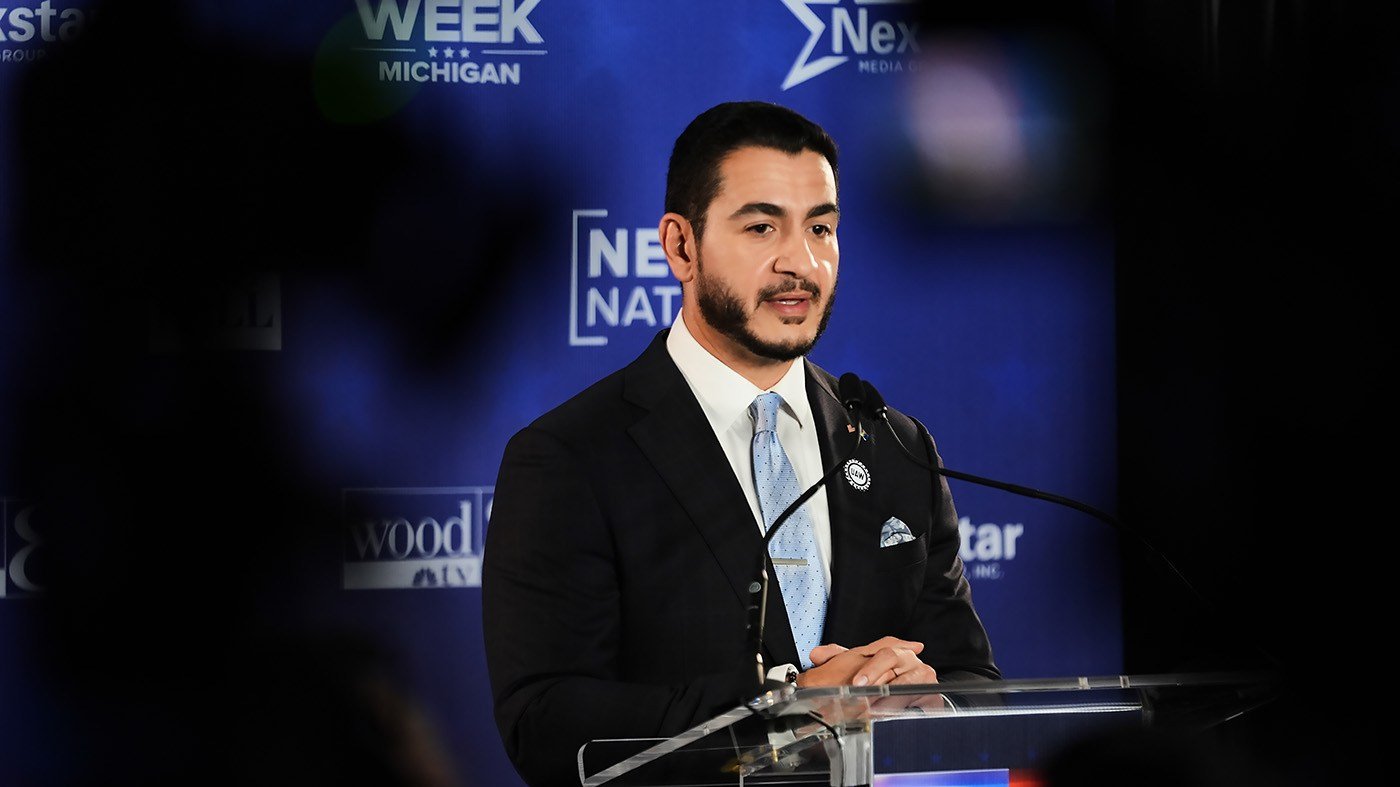
Senate Republicans are mounting an aggressive, late-stage push to bolster former Rep. Mike Rogers (R-Mich.) in Michigan's closely watched Senate contest, channeling significant resources into allegations that Democratic nominee Abdul El-Sayed has troubling connections to the Muslim Brotherhood. El-Sayed, a physician and former Detroit health director, flatly rejects any such ties, calling the accusations a distortion of his record.
The Muslim Brotherhood, an Islamist organization founded in Egypt in 1928, has been the subject of congressional scrutiny as a potential global security threat. Republicans have unearthed past statements and actions they argue reveal sympathy for the group, including a 2011 HuffPost essay in which El-Sayed suggested that a Brotherhood-led government in Egypt might not be as dangerous as critics warned, provided democratic safeguards existed. He also dismissed comparisons between the Brotherhood's rise and Hamas's control of Gaza.
Republicans are also highlighting a 2012 open letter El-Sayed signed that urged Egyptian President Mohamed Morsi to "purge the media and police as quickly as possible." The letter, first reported by the Washington Free Beacon, rejected foreign opposition to Morsi's government. El-Sayed's half-sister, Eman Abdelhadi, posted on social media in 2012 about their mother's activism in the Muslim Brotherhood during the 1970s, a post that has resurfaced amid the campaign.
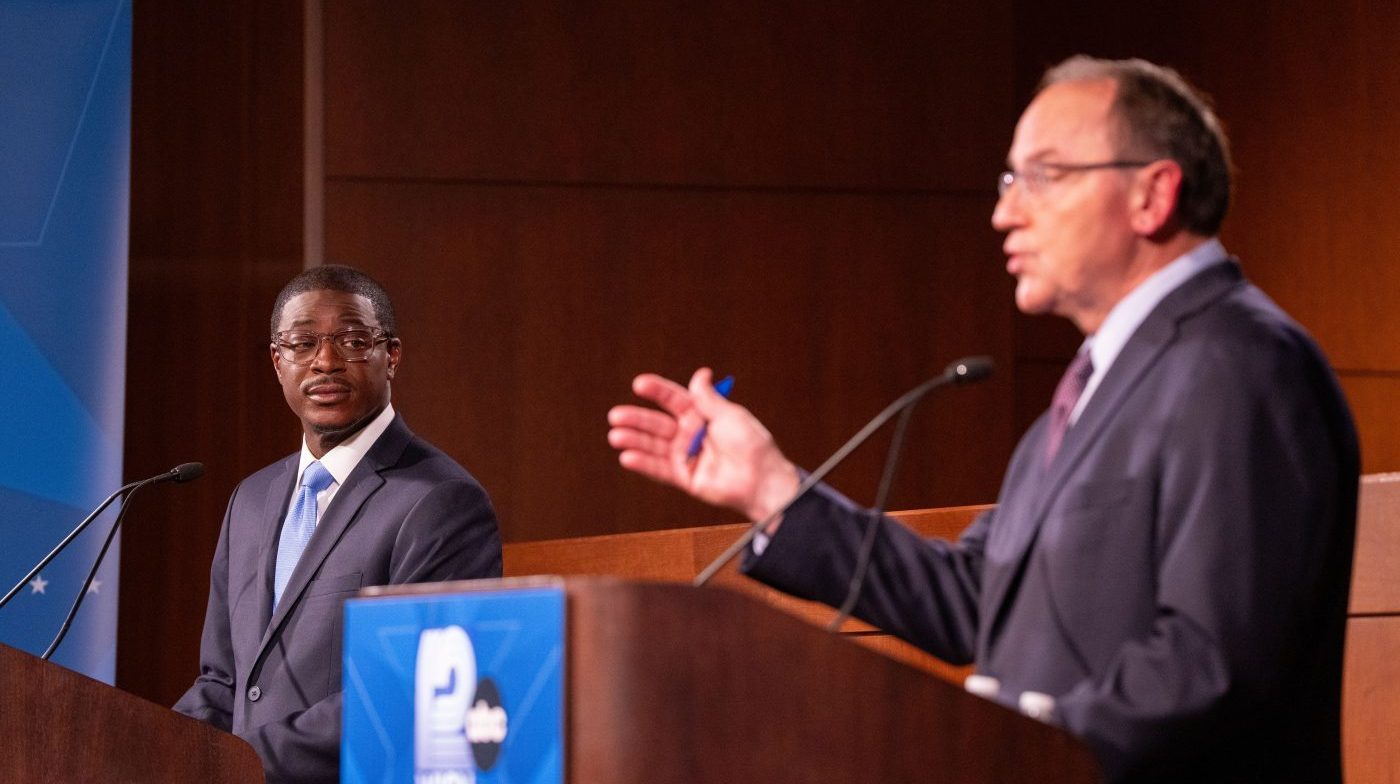
At a debate on Wednesday, Rogers pressed El-Sayed directly: "Are you for America or are you for these terrorist groups overseas?" The question marked a sharper attack than their first encounter, where El-Sayed deflected similar scrutiny. Rogers also appealed to Jewish Democrats, suggesting they should fear for their children if El-Sayed were elected, tying him to Islamic fundamentalism and pro-Palestinian causes.
El-Sayed responded by affirming his patriotism, declaring "I love this country" and "I love the Constitution." He has previously dismissed the allegations as a smear, telling Newsmax that he has "clearly disavowed" the Muslim Brotherhood and rejecting any implication of dual loyalty. "There's nothing about my history or record to imply that," he said.
Political analysts see the GOP's focus as an attempt to exploit voter anxieties about electing the first Muslim senator. "The name, Muslim Brotherhood, suggests something sinister, and I think that's probably why they're using it," said Ross K. Baker, a political science professor at Rutgers University.
President Trump has asserted without evidence that El-Sayed is "100 percent" affiliated with the Muslim Brotherhood, and Sen. Ted Cruz (R-Texas) has questioned whether El-Sayed should receive national security briefings if elected, warning of potential leaks to "Muslim Brotherhood terrorists."
El-Sayed's campaign and the Democratic Senatorial Campaign Committee did not respond to requests for comment. Two Republican super PACs are now airing ads in Michigan that amplify the allegations, underscoring the race's national stakes. The contest remains tight, with recent polling showing El-Sayed and Rogers in a statistical dead heat, and outside groups are pouring millions into the state.
For more on the dynamics of this race, see the final debate clash and El-Sayed's town hall response. Meanwhile, national figures are weighing in, as Ocasio-Cortez injects $1M into El-Sayed's bid, and Trump plans a rally in Michigan, as covered in Trump's upcoming visit.