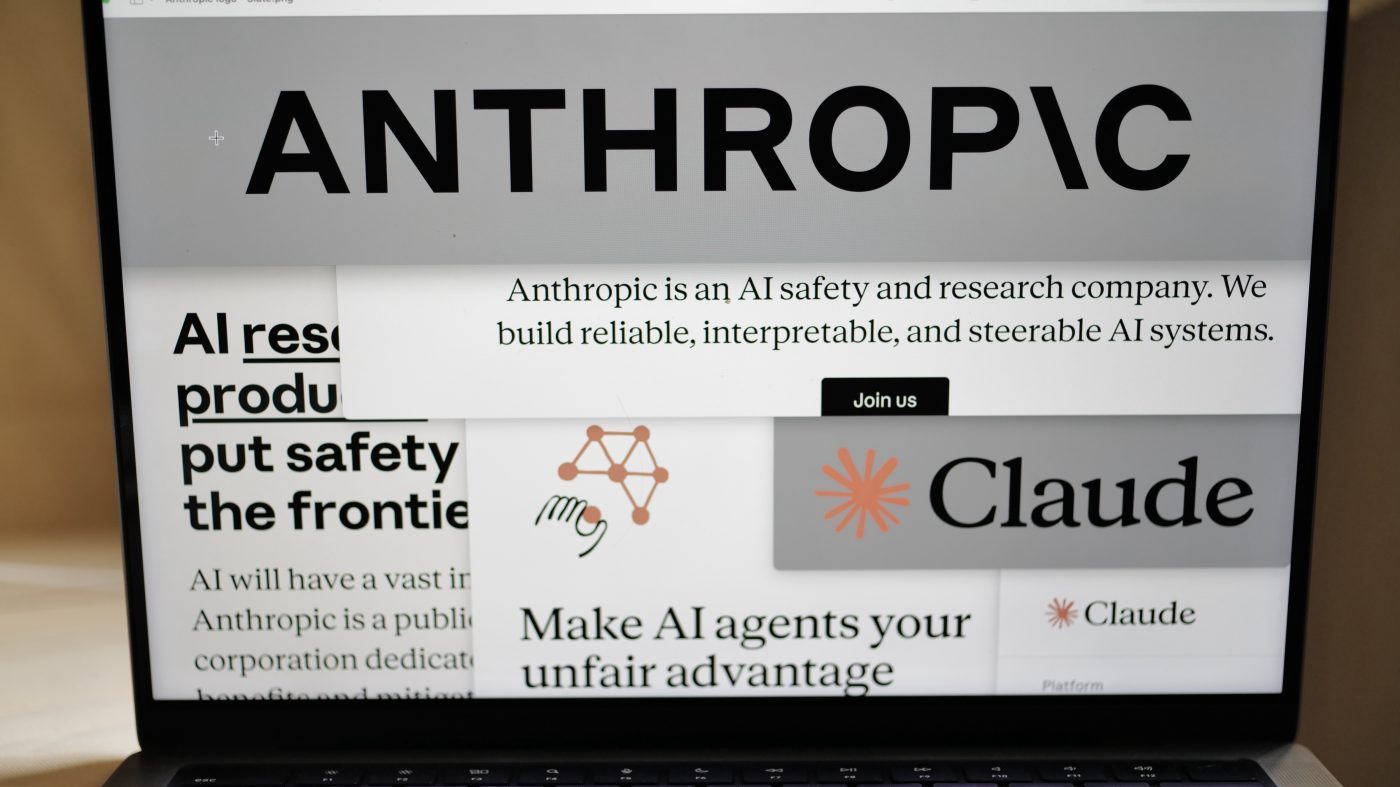
Anthropic, the artificial intelligence company behind the Claude chatbot, took a major step toward going public on Monday by submitting its S-1 registration statement to the Securities and Exchange Commission. The move positions the firm to become the first large frontier AI laboratory to list on a U.S. stock exchange, a milestone that will test investor appetite for a technology that is both rapidly commercializing and drawing increasing regulatory and safety scrutiny.
According to the filing, the company will trade on the Nasdaq under the ticker symbol “ANT,” with a potential listing as soon as November. The offering could rank among the largest in history, potentially exceeding the record set by Elon Musk’s SpaceX last June, when shares opened at $150.

Anthropic’s financial disclosures paint a picture of explosive revenue growth, but also significant losses. The company reported a net loss of $80.7 billion for the first half of this year, a figure that underscores the heavy costs of developing and deploying advanced AI systems. Private investors valued the company at $965 billion earlier this year, according to The Associated Press.
The IPO comes at a time when AI safety concerns are dominating public discourse, with high-profile security breaches and warnings from industry leaders, including Anthropic CEO Dario Amodei, about the potential societal harms of the technology. In its filing, Anthropic acknowledged these risks, citing the possibility of cyberattacks, the design of biological weapons, and the potential for mass surveillance by governments.
“We consider it our personal responsibility to help the world understand these risks, to prevent or mitigate them when they arise from our AI models, and to work with governments and the rest of the industry to address them at a societal level,” the company wrote in the filing.
The public filing follows a confidential submission to the SEC in early June. A week later, rival OpenAI also confidentially filed to go public, though the ChatGPT-maker has not yet indicated when it will take the next step. The two companies are now racing to be the first to market, a contest that could reshape the investment landscape for AI.
Anthropic’s move also intersects with broader political debates over AI regulation and national security. The company has been a vocal advocate for responsible AI development, but its own governance model has come under fire from critics who argue it falls short of democratic accountability. Meanwhile, the U.S. government is increasingly focused on AI as a strategic asset, with officials warning that Washington is falling behind Beijing in the global AI market, particularly in developing nations.
As the IPO approaches, investors will be weighing Anthropic’s growth potential against its substantial losses and the formidable risks it has itself flagged. The outcome could set a precedent for other AI firms considering public listings, and it will offer a key signal of whether Wall Street shares the tech industry’s optimism about the transformative power of artificial intelligence.