A crowdfunding campaign that raised nearly $745,000 for an elderly couple's cancer fight was abruptly shut down after GoFundMe discovered the person running it was not the sympathetic neighbor she claimed to be, but the couple's own daughter.
The platform told NewsNation it received a tip on Sept. 25 questioning the identity of the organizer, who had presented herself only as a neighbor named “Erin.” GoFundMe’s Trust & Safety team opened an investigation, and on a recorded call, the organizer admitted that “Don” and “Josephine” were her parents.
“Our Trust & Safety team identified factual misrepresentations, which directly violate our Terms of Service,” a GoFundMe spokesperson said in a statement. The fundraiser was removed, and all donors were refunded.
The daughter explained that she created the fictitious persona because she believed her parents’ story would resonate more if it appeared to come from an unrelated neighbor moved by their plight, rather than from a family member asking for help. She insisted that every other detail—her father’s job, her mother’s diagnosis, and the financial strain—was true.
GoFundMe, however, said misrepresenting an organizer’s identity or relationship to the beneficiary undermines donors’ ability to know who they are giving to, regardless of intent. “Ensuring GoFundMe is a safe and trusted place to give and receive help is our top priority,” the spokesperson added.
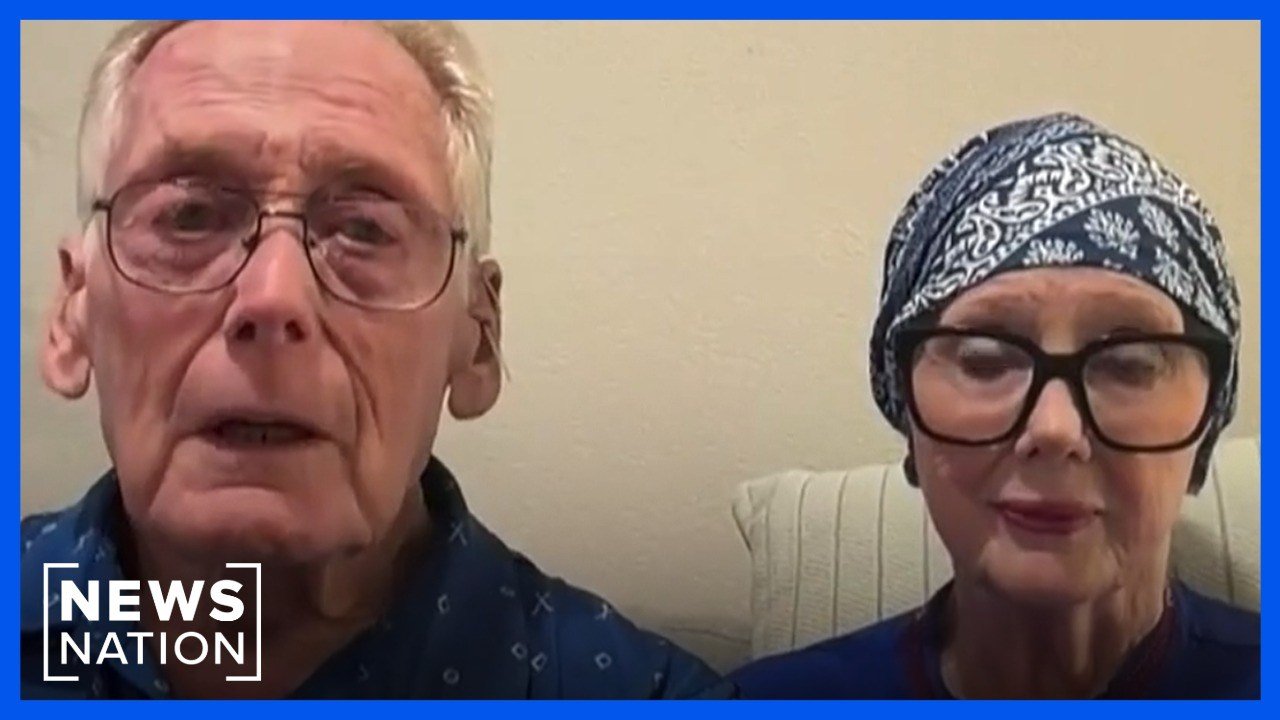
The couple at the center of the campaign, David and Josephine Johnson, have become a symbol of the crushing cost of cancer care. David, 81, took a job as an airport luggage courier three years ago, putting more than 200,000 miles on his car to help pay for Josephine’s pancreatic cancer treatment. “I interviewed several places, and the one that offered to hire me was this luggage carrier,” Johnson told NewsNation’s Chris Cuomo on Friday.
The incident highlights the delicate balance crowdfunding platforms face between verifying authenticity and allowing emotional appeals. It also underscores the broader healthcare price transparency debate in Washington, as families like the Johnsons grapple with staggering medical bills even as policymakers debate reforms.
GoFundMe’s decision to refund all donations—rather than redirecting them to the family—has drawn mixed reactions. Some donors expressed frustration, saying they gave to help the couple, not to police the organizer’s identity. Others supported the platform’s strict enforcement, arguing that transparency is essential to maintaining donor trust.
For the Johnsons, the loss of the funds comes as a devastating blow. The campaign had become a lifeline for their mounting expenses, and its removal leaves them scrambling for alternatives. The daughter’s decision to conceal her identity, however well-intentioned, has now cost her family the support they desperately need.
This case also raises questions about how platforms like GoFundMe verify the authenticity of campaigns, especially those that go viral. While the company says it takes tips seriously and investigates all claims, the sheer volume of fundraisers makes it impossible to vet every one preemptively. The incident serves as a cautionary tale for both organizers and donors about the importance of honesty in online fundraising.