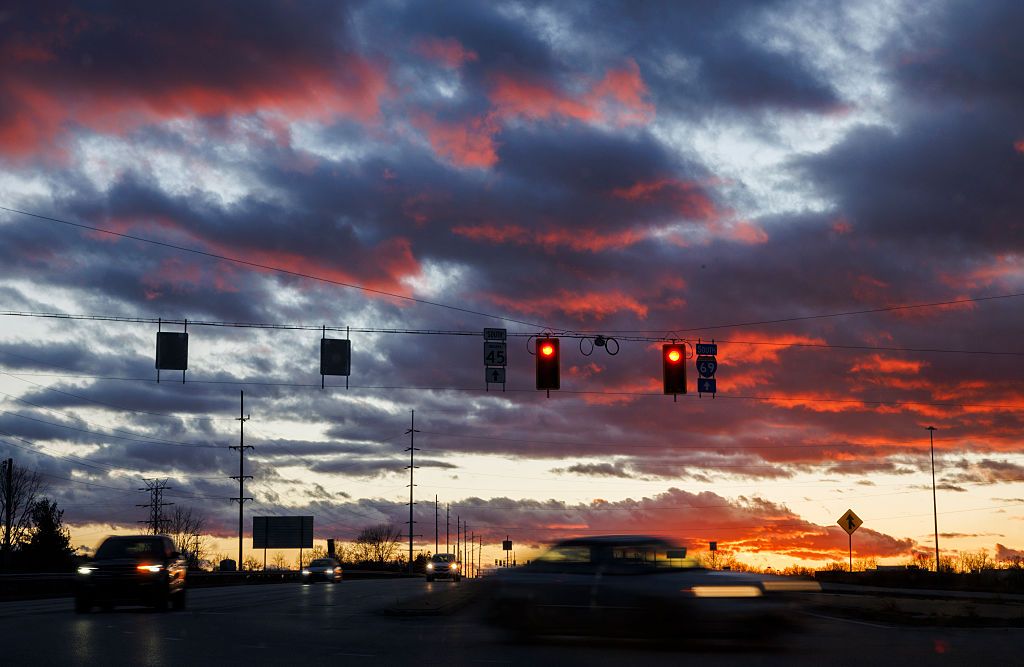
You've been there: idling at a red light, watching cross traffic stream through, wondering why the signal won't budge. With roughly 320,000 traffic lights nationwide, according to estimates, the odds are high you'll face this frustration. But the problem often isn't the light itself—it's that the system may not know you're there.
Some signals operate on fixed timers, particularly near major event venues. In Minneapolis, for instance, intersections around the stadiums for the Twins and Timberwolves run on predetermined patterns during games, leaving drivers with no recourse but to wait. But many other lights rely on detection technology: cameras, magnetic sensors, or underground induction loops.

Induction loops are the most common. These are coils of wire embedded beneath the pavement, usually in a rectangular shape. When a large metal object—like a car—passes over or stops on the loop, it disrupts the magnetic field, triggering the signal to change. The public works department in Neenah, Wisconsin, explains that the loop's magnetic field is affected by the vehicle's presence. But positioning matters: you need to stop within the detection zone, typically marked by a solid white stop line. For smaller vehicles like motorcycles, bicycles, or mopeds, Neenah officials recommend aligning your tires directly on the tar lines that outline the loop.
Other intersections use magnetic detectors or magnetometers, which function similarly, according to the Federal Highway Administration. These also require your vehicle to be positioned over the detector to activate the light. Overhead sensors are another variant: infrared sensors trigger when a vehicle breaks a beam of light or when they detect engine heat. Some signals use cameras, which can be networked to monitor traffic flow and adjust timing dynamically—and may also capture red-light runners.
You can often spot these sensors at the intersection. They resemble security cameras mounted near the traffic light, or they may be housed in metal boxes suspended above the roadway. Some intersections employ multiple sensor types. In 2021, Los Angeles rolled out a system combining magnetic sensors, cameras, and a central computer network to manage all 4,400 of its traffic lights in an effort to reduce gridlock.
If you've tried everything and the light still won't change, there's one trick that sometimes works: flashing your high-beam headlights. In some cases, that's enough to trigger the sensor. Honking, however, won't help—these systems don't respond to sound. And whatever you do, don't run the red. If your turn is being skipped or the signal seems stuck, you may need to find a safe way out of the intersection. That could mean making a legal right turn and rerouting, or, if you're waiting on a left-turn arrow, turning through the red when the light turns green for straight traffic—as California Highway Patrol Officer Dan Olivas told the Press Enterprise. He advised being "safe about it" and, if stopped by law enforcement, explaining the situation.
While you're navigating these frustrations, broader policy debates continue to shape the roads. For instance, proposals for year-round daylight saving time could affect driving conditions and signal timing, while infrastructure failures like the recent cable cut that disrupted Northeast airports underscore how dependent modern transportation is on interconnected systems. Even legal battles over White House press access can influence how agencies communicate with the public about traffic safety. But for now, the next time you're stuck at a red light, remember: it might just not see you.