The push to make daylight saving time permanent is still alive on Capitol Hill, even as the Senate has yet to take up the measure. The Sunshine Protection Act, which would lock clocks in daylight saving time year-round for most of the country, remains in legislative limbo. States that currently opt out—Hawaii and most of Arizona—would stay on standard time, but everywhere else would stop falling back in November.
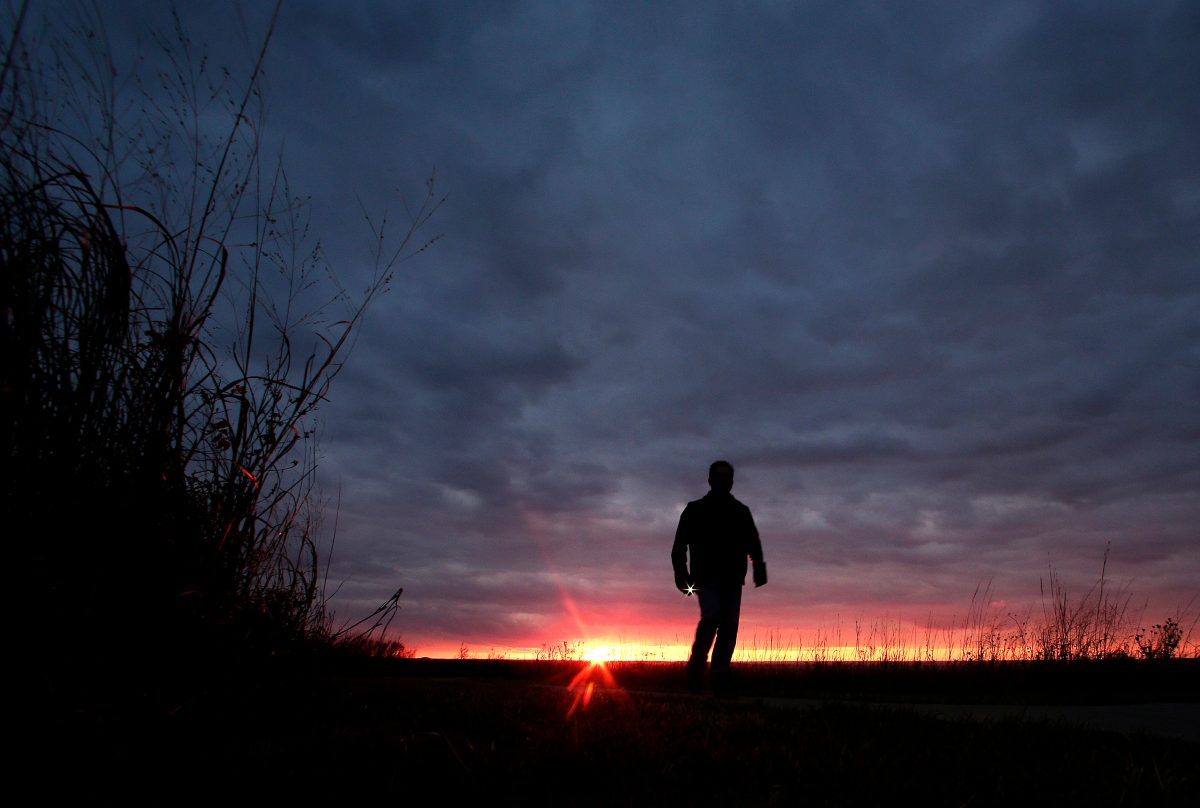
For most Americans, that means the sun would rise later in winter—often after 8 a.m., and in some northern areas, after 9 a.m.—but set later too, offering a welcome reprieve from early evening darkness.
How Winter Would Change
The impact varies sharply by latitude. In Cedar Rapids, Iowa, for example, residents currently see more than 70 sunsets between 4:35 p.m. and 5 p.m. from November through early March. Under permanent daylight saving time, the earliest sunset would be 5:35 p.m., and no sunset would occur before 5 p.m.
Northern cities would see the most dramatic shift. Green Bay, Wisconsin; Burlington, Vermont; and Providence, Rhode Island—where winter sunsets can dip below 4:15 p.m.—would instead see sunsets after 5 p.m. That extra hour of afternoon light could make evening commutes and outdoor activities more pleasant.
The Morning Trade-Off
But that extra evening sunlight comes at a cost. Winter sunrises would push later, with many locations seeing sunrises after 8 a.m. In Bismarck, North Dakota, roughly 75 sunrises between November and March would occur after 9 a.m., with the latest at nearly 9:30 a.m. Cedar Rapids would see more than 90 sunrises after 8 a.m., though none after 9 a.m.
These later mornings were a key reason the U.S. abandoned permanent daylight saving time in the 1970s. Parents complained about sending children to school in the dark, sometimes with flashlights, and public support quickly eroded. The country reverted to standard time after just four months.
Support and Opposition
Lawmakers in several states, the golf industry, and the White House have voiced support for permanent daylight saving time. But health experts argue that if the U.S. is to stop changing clocks, it should adopt permanent standard time instead. They point to potential health risks from later sunrises, and there are also concerns about religious practices and airline schedules.
The Senate's earlier attempt to fast-track the bill was blocked, and there's no clear timeline for reconsideration. As it stands, clocks will fall back on the first Sunday in November unless Congress acts before then.
For now, the debate continues—and the outcome could reshape your winter mornings and evenings for years to come.