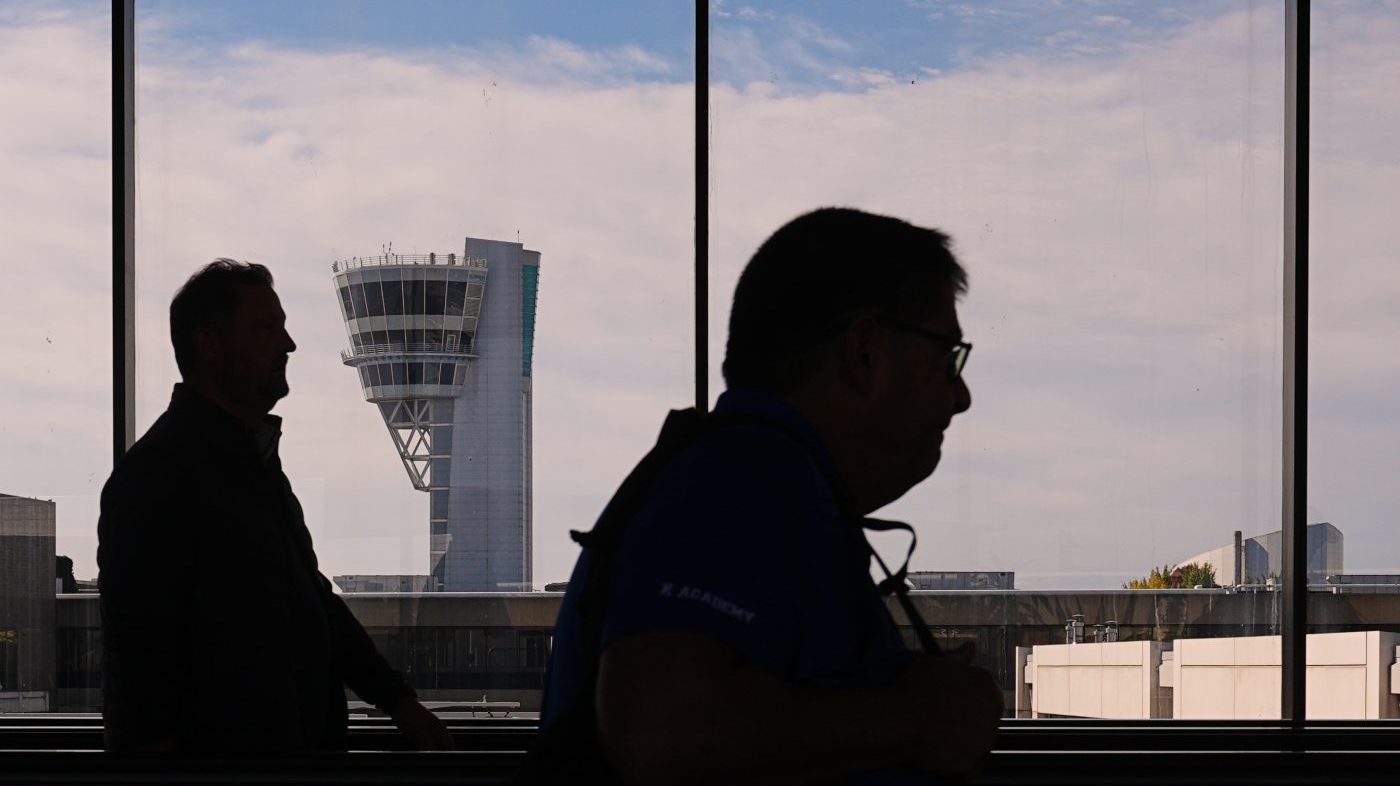
Arrivals at three of the nation's busiest airports—New York, Boston, and Philadelphia—ground to a halt Monday after a critical telecommunications failure, forcing the Federal Aviation Administration to suspend flights and stranding thousands of passengers. The disruption, which rippled across the Eastern Seaboard, underscored the fragility of the aging systems that keep U.S. air travel moving.
The trouble began when the FAA's primary communication line in the region went down. A backup fiber optic line was then severed by railroad construction workers, according to the agency. Transportation Secretary Sean Duffy initially blamed Amtrak crews, but both Amtrak and New Jersey Transit pushed back, with NJT acknowledging that one of its construction teams accidentally cut the cable while digging at a rail car storage site in New Jersey on Monday morning. The incident is just the latest example of Northeast flight chaos after fiber cable cut in New Jersey.

Earlier in the day, a replacement circuit had failed at the FAA's Philadelphia Terminal Radar Approach Control, and officials discovered the backup line was also inoperable. FAA Administrator Bryan Bedford called the timing "absolutely horrible" and apologized to reporters for the cascading delays and cancellations. By late Monday, NJT said most of the fiber cables had been repaired and would be back online shortly.
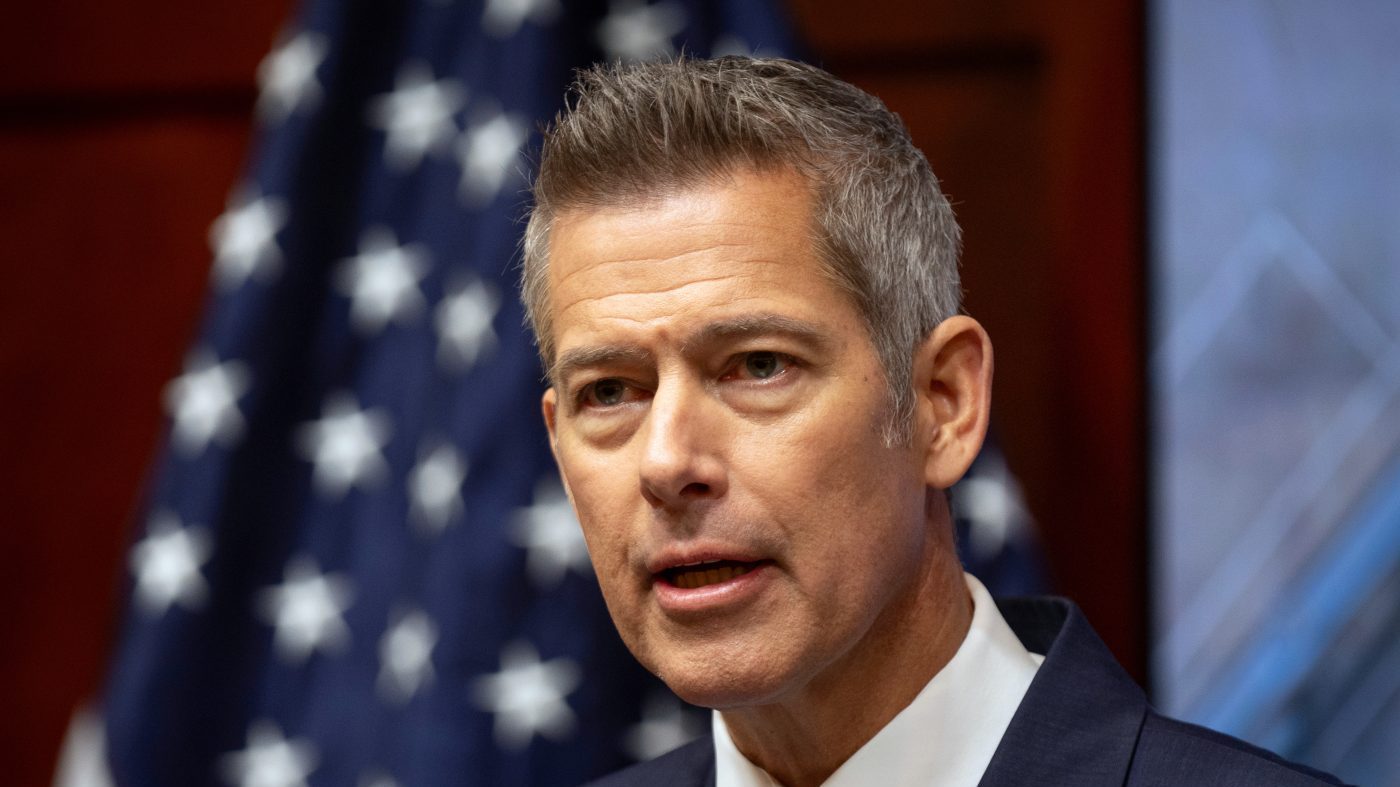
In a social media update Monday evening, Duffy announced that the telecom lines had been fixed and that "all airport operations" in the region would resume. "It will take some time to clear all existing delays, so please check with your airline for the latest information," he cautioned. The ground stop affected thousands of flights, with knock-on effects expected to linger into Tuesday.
The outage has reignited scrutiny of the FAA's infrastructure, which Congress last year funded to the tune of $12.5 billion for modernization—including the type of primary circuit that failed Monday. Duffy has urged lawmakers to provide additional funding for these upgrades. "We still have problems, you're right, but they're not new to us," he told reporters, according to CBS News. "We know what has to be fixed and it's going to take partnership with the Congress to make it happen."
The timing could hardly be worse: world leaders are gathering in New York City for the United Nations General Assembly this week, and President Trump is scheduled to address the body Tuesday morning. The flight disruptions come as the FAA also faces pressure to shield its operations from government shutdowns, a topic that has drawn congressional attention in recent months.
For travelers, the episode is a reminder of how quickly the system can unravel. The FAA's aging communications network has long been flagged as a vulnerability, and the incident will likely fuel calls for accelerated modernization. As Duffy noted, clearing the backlog of delays will take time, and passengers are advised to check with their airlines before heading to the airport.
Meanwhile, the dispute over who cut the cable remains unresolved. Amtrak and NJT both denied Duffy's initial claim, with NJT taking responsibility for the accidental severing. The agency said repairs were nearly complete Monday evening, but the damage to the flying public's confidence may take longer to repair.