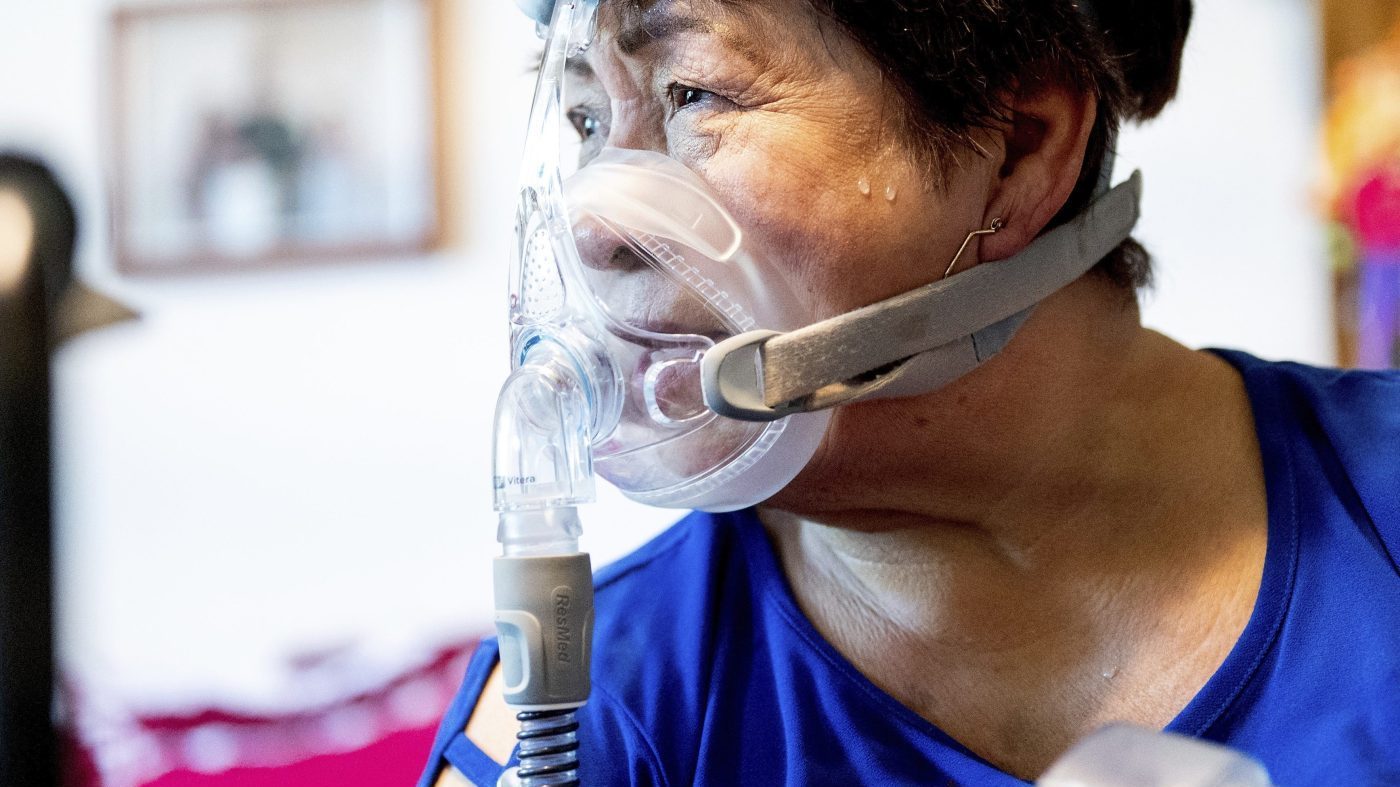
As GLP-1 receptor agonists continue to reshape the landscape of obesity treatment, new research is clarifying their role in managing obstructive sleep apnea (OSA). A systematic review published in JAMA Otolaryngology–Head & Neck Surgery concludes that while these drugs can meaningfully reduce the frequency of breathing interruptions during sleep, they still fall short of the gold-standard therapy: continuous positive airway pressure (CPAP).
The review, which analyzed multiple clinical trials, found that GLP-1 medications consistently lower apnea-hypopnea index (AHI) scores—the metric used to gauge OSA severity. Patients taking these drugs experienced between six and 22 fewer apnea or hypopnea events per hour. By comparison, CPAP machines reduce the same symptom burden by roughly 31 events per hour, according to the study's data.
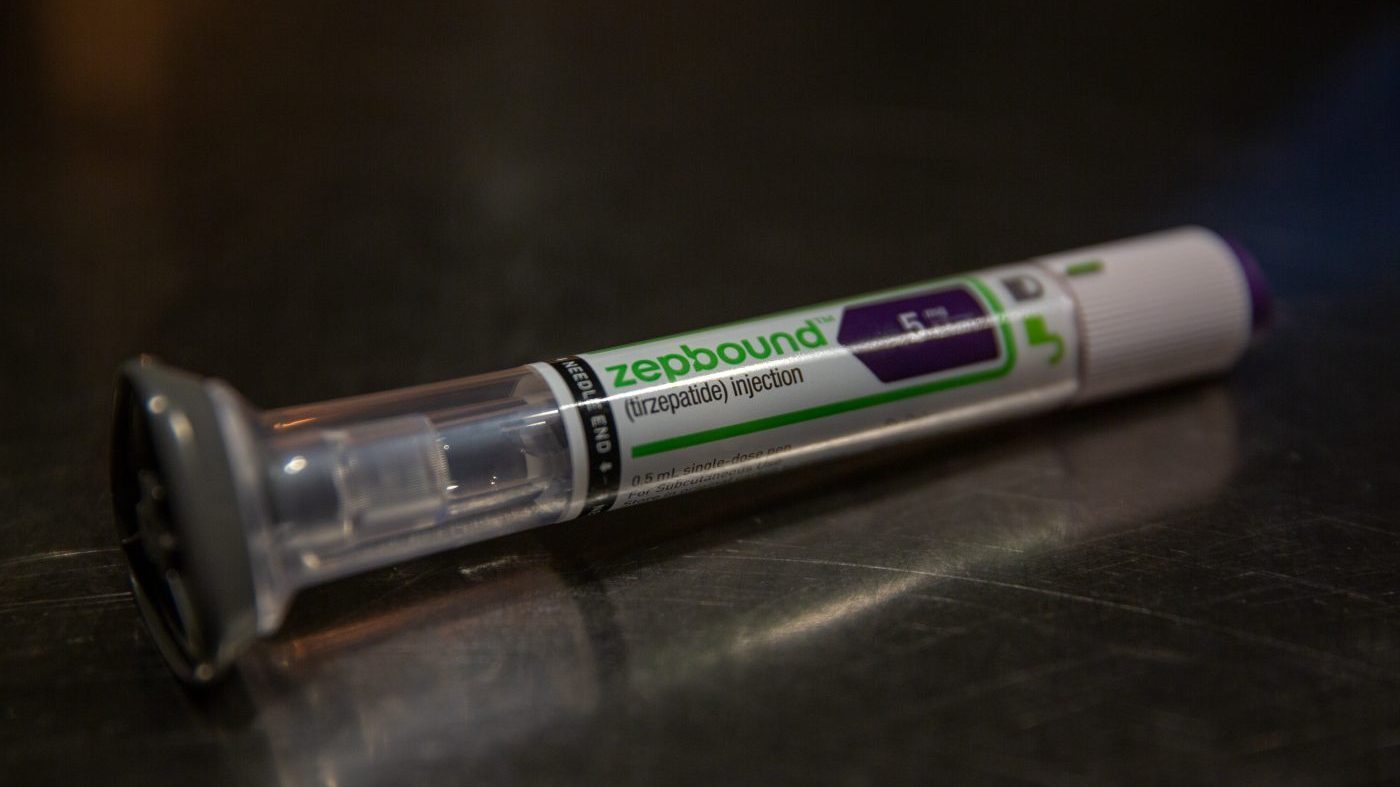
The strongest effects were observed in patients using tirzepatide, sold under the brand names Zepbound and Mounjaro. The drugs also appear to reduce fat deposits in the tongue, which is thought to contribute to airway obstruction during sleep.
However, experts caution that the benefits are not universal. Dr. Ruchir P. Patel, a sleep medicine specialist, told Healthline that tirzepatide “addresses a single risk factor in the setting of OSA—obesity.” He added that “there are other factors involved in the development of OSA, including structural anatomy unrelated to fat deposits that cannot be addressed by weight loss.”
Patel also pointed to long-standing evidence from bariatric surgery, noting that “significant weight loss does not always resolve OSA.” Even when symptoms improve, he said, “the patient could still be at risk.” This underscores the importance of continued monitoring and, for many patients, ongoing use of CPAP.
The review also hints at a possible mechanism beyond weight loss: GLP-1s may help stabilize breathing by altering the sensitivity of respiratory control systems. That could explain why some patients see improvements even before major weight loss occurs.
Obesity is a major contributor to OSA, present in 60 to 70 percent of cases, and remains the primary modifiable risk factor. As such, GLP-1 drugs are increasingly being explored as an adjunct to standard therapies. Some researchers are also investigating new oral treatments for sleep apnea that might offer alternatives to CPAP, though none have yet matched its efficacy.
The findings come as GLP-1s gain traction in public health discussions, including high-profile examples like Illinois Governor J.B. Pritzker's 80-pound weight loss. But for sleep apnea patients, the message from this review is clear: medication can help, but CPAP remains the most reliable intervention.
For those who struggle with CPAP adherence, the prospect of a pill to ease OSA is appealing. Yet experts stress that any treatment plan should be individualized. The review's authors note that combining GLP-1 therapy with CPAP might offer the best outcomes, particularly for patients who are overweight or obese.
As the evidence evolves, clinicians are likely to weigh the benefits of these drugs against their cost and side effects. For now, the standard of care remains unchanged: CPAP first, with GLP-1s as a potential supplement for weight-related cases.