Millions of Americans who struggle with sleep apnea but can't use standard CPAP machines may soon have a new treatment option. Results from a late-stage clinical trial, presented at an American Thoracic Society meeting, show that an experimental once-nightly pill called AD109 significantly improved symptoms in a substantial share of patients.
The phase 3 study, published in the American Journal of Respiratory and Critical Care Medicine, tracked 646 adults with mild to severe obstructive sleep apnea (OSA) who were either unwilling or unable to use continuous positive airway pressure (CPAP) devices. According to a report from Science Daily, more than 40% of those taking AD109 saw their condition downgraded to a less severe category, and 18% achieved complete remission of their sleep apnea.
On top of that, the drug cut the average number of breathing interruptions during sleep by 44%, compared with a reduction of less than 20% in the placebo group. AD109 works by supporting the throat muscles, reducing the likelihood that the airway will collapse during sleep, which is the root cause of obstructive sleep apnea.
The condition is widespread: around 30 million Americans are affected, according to the American Lung Association, yet millions remain undiagnosed and untreated. Untreated sleep apnea is linked to serious health risks, including cardiovascular disease and stroke. Worldwide, nearly one billion adults are estimated to have the disorder.
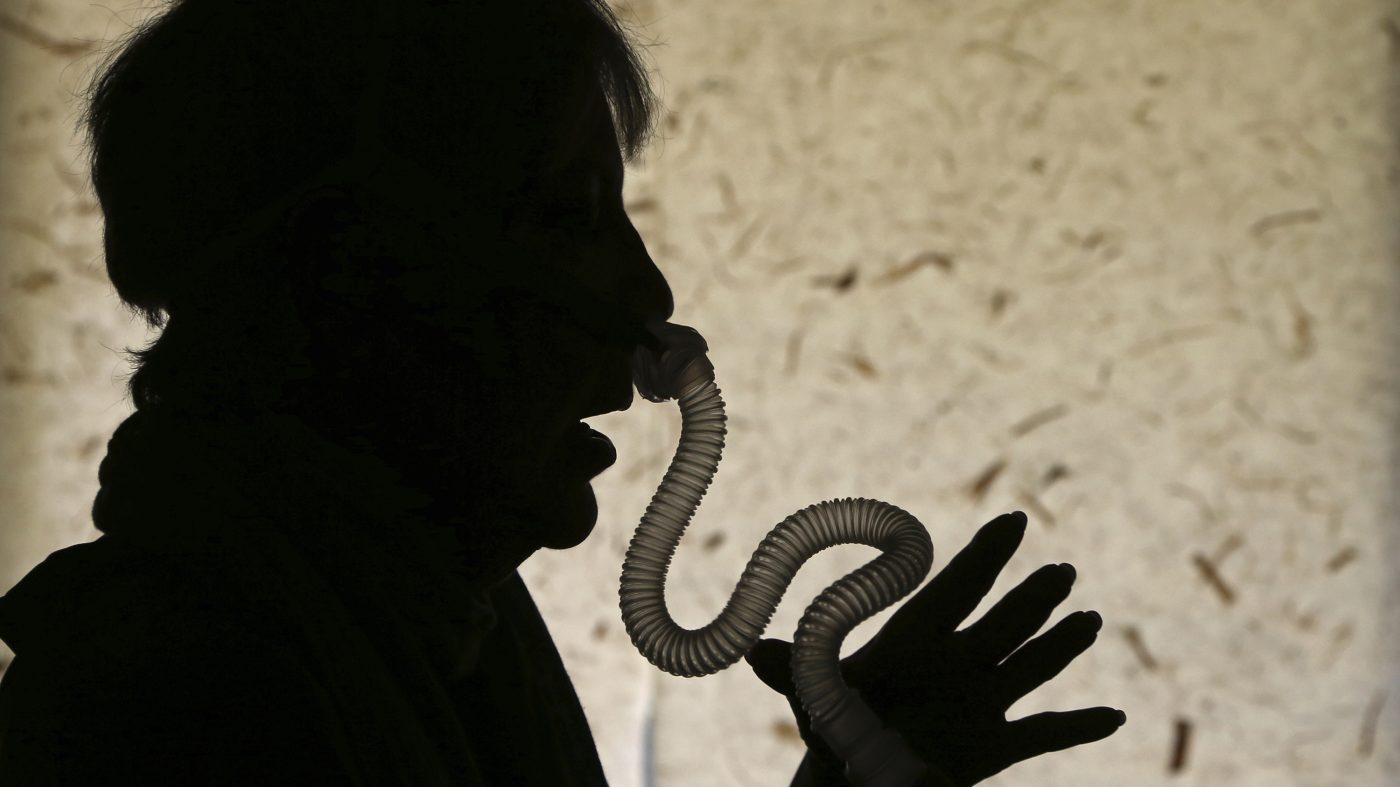
For those who are diagnosed, CPAP machines are the standard treatment, but many patients find them uncomfortable or refuse to use them. The trial specifically enrolled such individuals, highlighting the need for alternative therapies. The results suggest AD109 could fill that gap, though side effects remain a concern: 21% of participants discontinued the drug due to adverse effects, which the researchers characterized as “mild and expected.”
The U.S. Food and Drug Administration has granted AD109 Fast Track designation, signaling the urgency for effective and well-tolerated drug treatments for sleep apnea. If approved, it would be the first oral medication for the disorder, offering a convenient option for patients who dislike CPAP.
The development comes amid broader interest in pharmacological approaches to sleep-related breathing issues. A recent review in JAMA Otolaryngology found that GLP-1 drugs, often used for weight loss, may also reduce the severity of obesity-related sleep apnea. That research, which NewsNation previously covered, points to a growing arsenal of non-CPAP treatments.
While AD109 is not yet on the market, the trial results offer hope to the millions who have struggled with CPAP. Researchers emphasize that more work is needed to confirm long-term safety and effectiveness, but the fast-track status suggests regulators see the potential.
For patients, the prospect of a simple pill could be transformative, potentially increasing treatment adherence and reducing the health burden of sleep apnea. As the evidence mounts, the conversation around sleep apnea management is shifting from a one-size-fits-all approach to a more personalized menu of options, including policy considerations that may affect healthcare access.