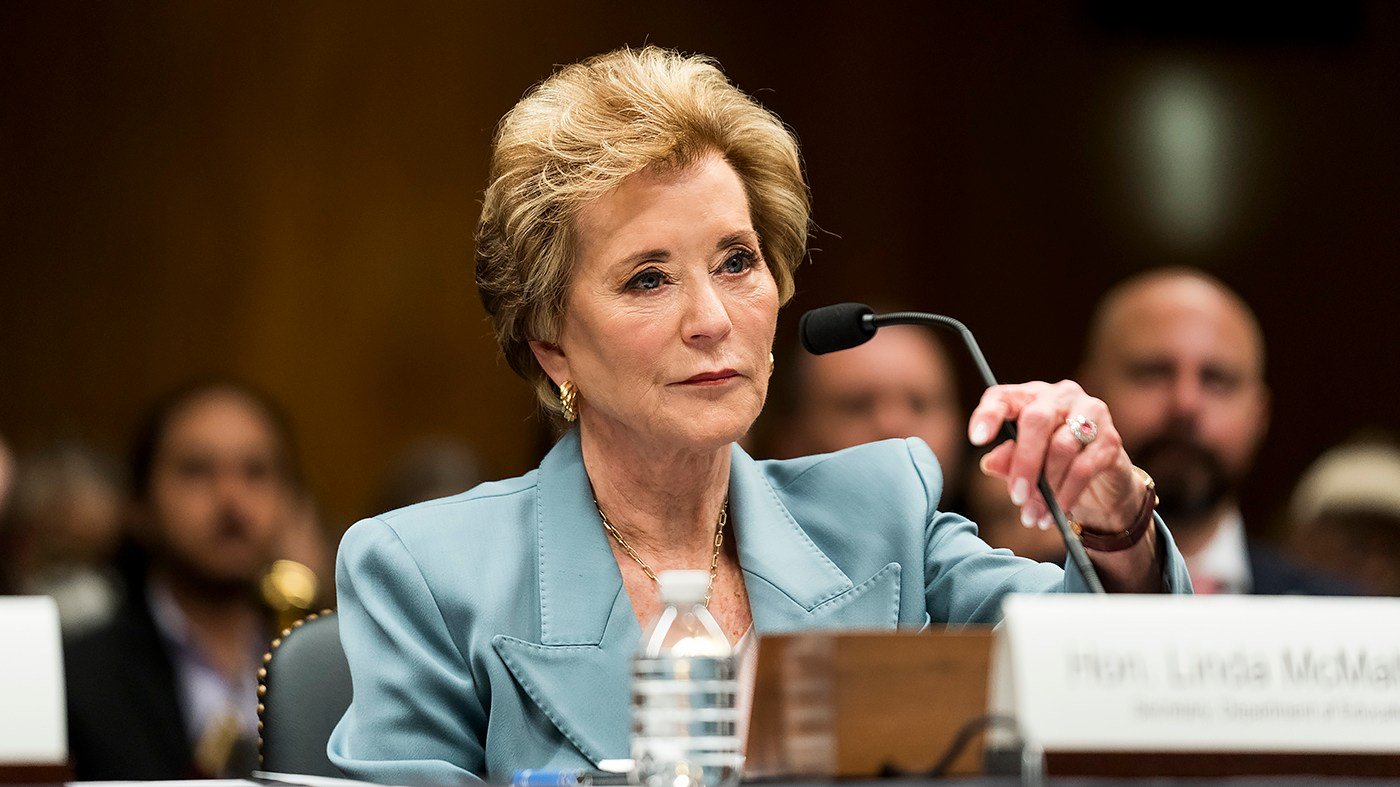
The U.S. Department of Education on Monday formally rescinded the Biden administration's interpretation of Title IX that extended sex-based discrimination protections to students on the basis of sexual orientation and gender identity. The move returns the enforcement of the federal civil rights law to the framework established under the first Trump administration in 2020, a shift that officials say will safeguard women's sports.
Education Secretary Linda McMahon framed the decision as a return to legal and congressional intent. "Thanks to today's action, the published Title IX regulations faithfully reflect court orders and Congressional intent — reducing confusion for parents, students, and educational institutions," she said in a statement. "We will continue to relentlessly champion equal opportunity for all Americans and hold accountable any school or college that violates the rights, privacy, or athletic opportunities of our women and girls."

The Biden-era rule had already been invalidated in federal court after challenges from Republican-led states. The Trump administration has also pursued its own approach to transgender participation in athletics, striking agreements with institutions such as the University of Pennsylvania to remove transgender athletes from women's programs.
Critics argue the rollback will harm transgender students and weaken protections for survivors of sexual violence. Shiwali Patel, senior director of education justice at the National Women's Law Center, said the administration is "weaponizing Title IX to attack trans students" rather than addressing ongoing campus safety issues. "Sexual harassment and assault continue to be pervasive in schools and, to the fullest extent possible, we should be working to enforce the laws that protect student survivors of sexual violence," she said.
The change is the latest in a series of education policy shifts under the current administration, which has also reshaped higher education oversight and sparked debate about the future of federal involvement in schools. The department's action aligns with broader efforts to narrow federal protections in other areas, reflecting a consistent approach to regulatory rollbacks.
Under the 2020 rules, schools must interpret sex-based discrimination under Title IX without the expansive reading that included gender identity and sexual orientation. This means transgender students may lose explicit federal protections against discrimination, though some state laws and local policies may still provide safeguards.
The administration's move has drawn sharp reactions from civil rights groups, who see it as part of a broader pattern of rolling back protections for marginalized groups. Meanwhile, supporters of the change argue it restores clarity and preserves opportunities for cisgender women in athletics.
The department's announcement does not require congressional approval, but it is likely to face legal challenges from advocacy organizations. The outcome could set the stage for another round of litigation over the scope of Title IX, a law originally enacted to prohibit sex-based discrimination in education programs receiving federal funds.
As schools prepare for the upcoming academic year, administrators will need to adjust policies to comply with the revised regulations. The shift may also affect how schools handle complaints of discrimination and sexual misconduct, potentially altering the landscape for students and staff alike.