President Trump on Thursday flatly denied reports that Iranian forces damaged U.S. warplanes during a missile attack on a Jordanian air base, dismissing the claims as baseless.
Asked by NewsNation's Robert Sherman whether there was “any truth” to the reports, Trump replied, “Nope. None whatsoever. No damage. No nothing.”
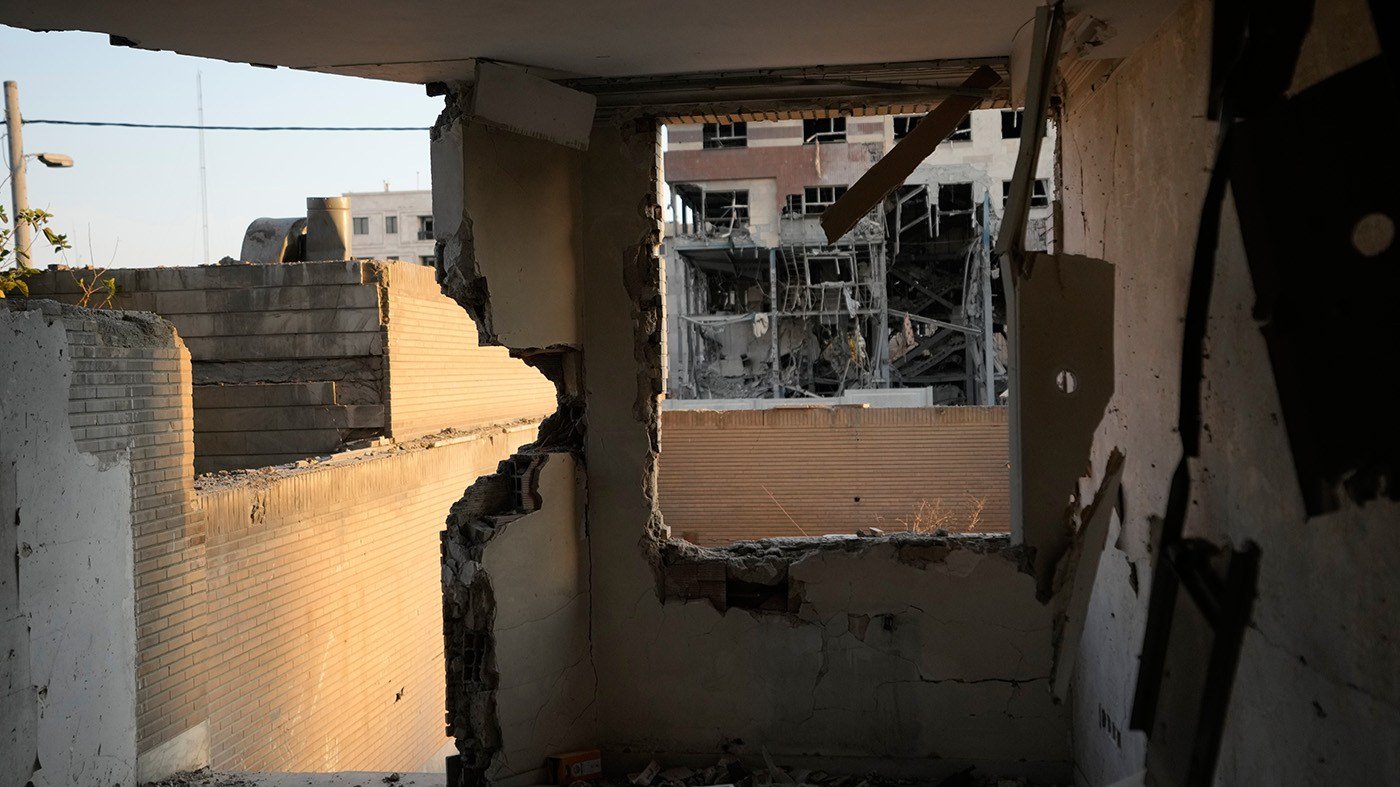
The denial came after CBS News, citing sources with direct knowledge, reported that Iranian strikes on Muwaffaq Salti Air Base—operated by the Royal Jordanian Air Force—had damaged multiple American aircraft overnight Tuesday into Wednesday. According to the report, one A-10 Thunderbolt lost a wing, while roughly eight F-15s sustained light damage and were quickly returned to service.
The attack was reportedly in retaliation for the U.S. military's destruction of five Iranian oil tankers earlier in the week. The incident is the latest escalation in a conflict that has now lasted seven months, with no diplomatic resolution in sight.
Speaking to reporters at Joint Base Andrews on Wednesday, Trump suggested the war would “get settled right after” the November midterm elections, expressing confidence that Iran could not sustain its campaign. “They can't hold out any longer,” he said, adding that Tehran was “desperate to try and affect the election so that we can get a nice, weak group of people in there, and leave them alone and let them have their nuclear weapon.”
Trump also indicated he was not pursuing renewed negotiations with Iranian officials, despite saying a deal was possible. “Yes, a negotiation could possibly happen, but it's not something we're looking at,” he said, adding, “We have very little country left.”
The prolonged hostilities have taken a heavy toll on U.S. military readiness. Analysts at the Center for Strategic and International Studies reported that as of July 27, the Pentagon had consumed roughly two-thirds of its Patriot missile interceptors and more than half of its Terminal High Altitude Area Defense systems.
The president's categorical denial stands in contrast to the CBS report, and the discrepancy is likely to fuel further scrutiny of the administration's handling of the conflict. As the midterm elections approach, the war's costs—both in material and political terms—remain a central issue for voters.