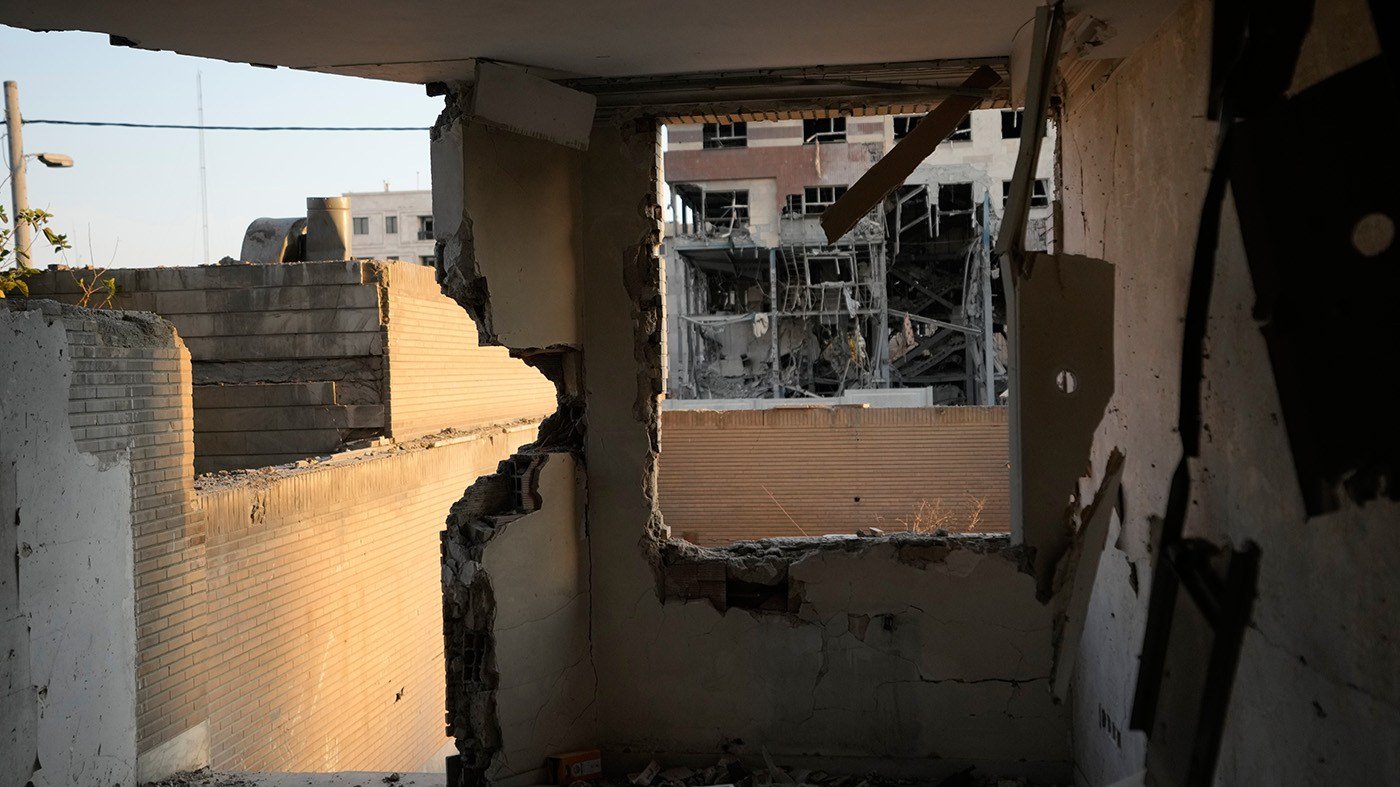
The conflict with Iran is exacting a toll that extends far beyond the battlefield. With 18 American service members killed and nearly 800 wounded, the human cost is staggering. But according to Rep. Raja Krishnamoorthi (D-Ill.), the strategic price may be even higher: the war is rapidly depleting the very arsenal the United States needs to keep China in check.
In a stark assessment, Krishnamoorthi, a senior member of the House Intelligence Committee, argues that the ongoing military operations against Tehran are eroding America's "magazine depth" — the stockpile of precision-guided munitions and interceptors that would be essential in any Pacific confrontation. The Pentagon has reportedly expended nearly half of its global Tomahawk cruise missile inventory, virtually all of its Army Tactical Missile Systems and Precision Strike Missiles, and thousands of Patriot and THAAD interceptors since the campaign began.
The numbers are sobering. Simulations by the Center for Strategic and International Studies (CSIS) show that a conflict with China could consume 5,000 long-range missiles in just four weeks. Meanwhile, the Pentagon's efforts to ramp up production — signing seven-year contracts to triple Patriot production and quadruple THAAD output — cannot quickly refill emptied stockpiles. "Funding can move quickly. Production cannot," Krishnamoorthi wrote.
The diversion of assets is already visible. More than 30 ships originally slated for the Pacific have been redirected to the Middle East, and missile-defense systems have been pulled from the region. Allies in Asia are bracing for delays in U.S. weapons deliveries. These are precisely the signals that Beijing is watching, Krishnamoorthi warns.
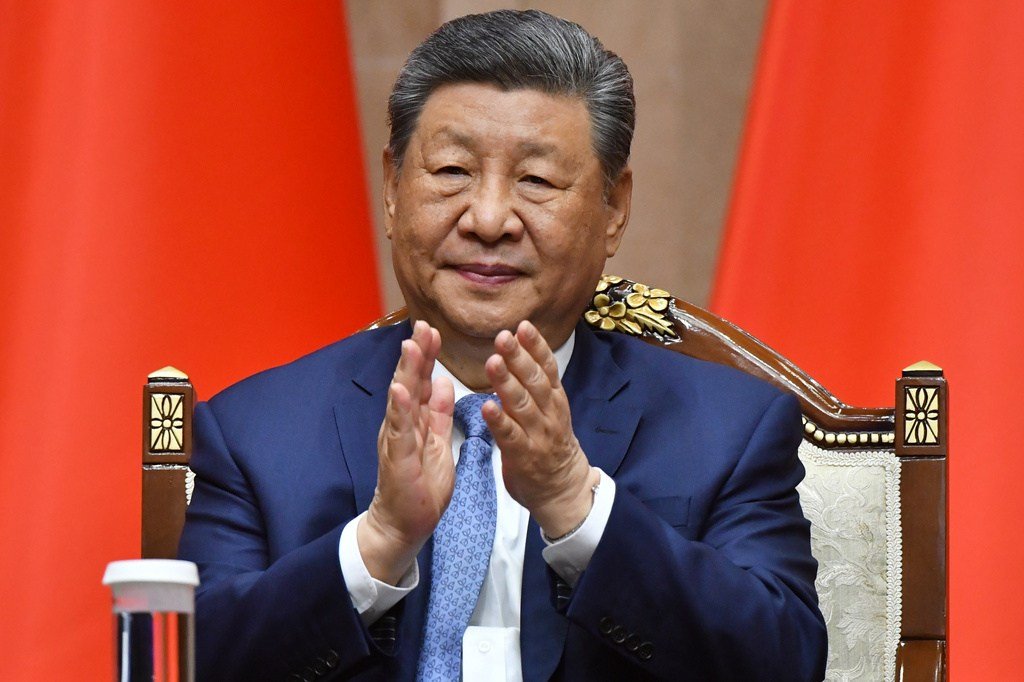
Former CIA Director William Burns has noted that Chinese leader Xi Jinping has instructed the People's Liberation Army to be ready for a Taiwan invasion by 2027, though readiness does not equate to a decision to act. Still, the depletion of U.S. munitions creates what CSIS calls a "window of vulnerability" in the Western Pacific.
Krishnamoorthi argues that deterrence — not war-fighting — is the ultimate purpose of American military power. Quoting strategist Bernard Brodie, he reminds that the chief purpose of the military is now to avert wars, not win them. If Beijing concludes that the U.S. lacks the weapons, industrial capacity, or staying power to make aggression prohibitively costly, it could become more emboldened to coerce or blockade Taiwan.
The congressman calls for urgent action: rebuild stockpiles, expand co-production with allies like Ukraine, and restore readiness. He also insists that the U.S. must not allow an open-ended war with Iran to drain the resources needed to prevent a larger Pacific conflict. "America's objective is not to fight a war with China. It is to prevent one," he wrote.
The full cost of the Iran war, Krishnamoorthi concludes, will be measured not only in today's casualties and dollars, but in the conflicts that the U.S. may be unable to deter tomorrow.