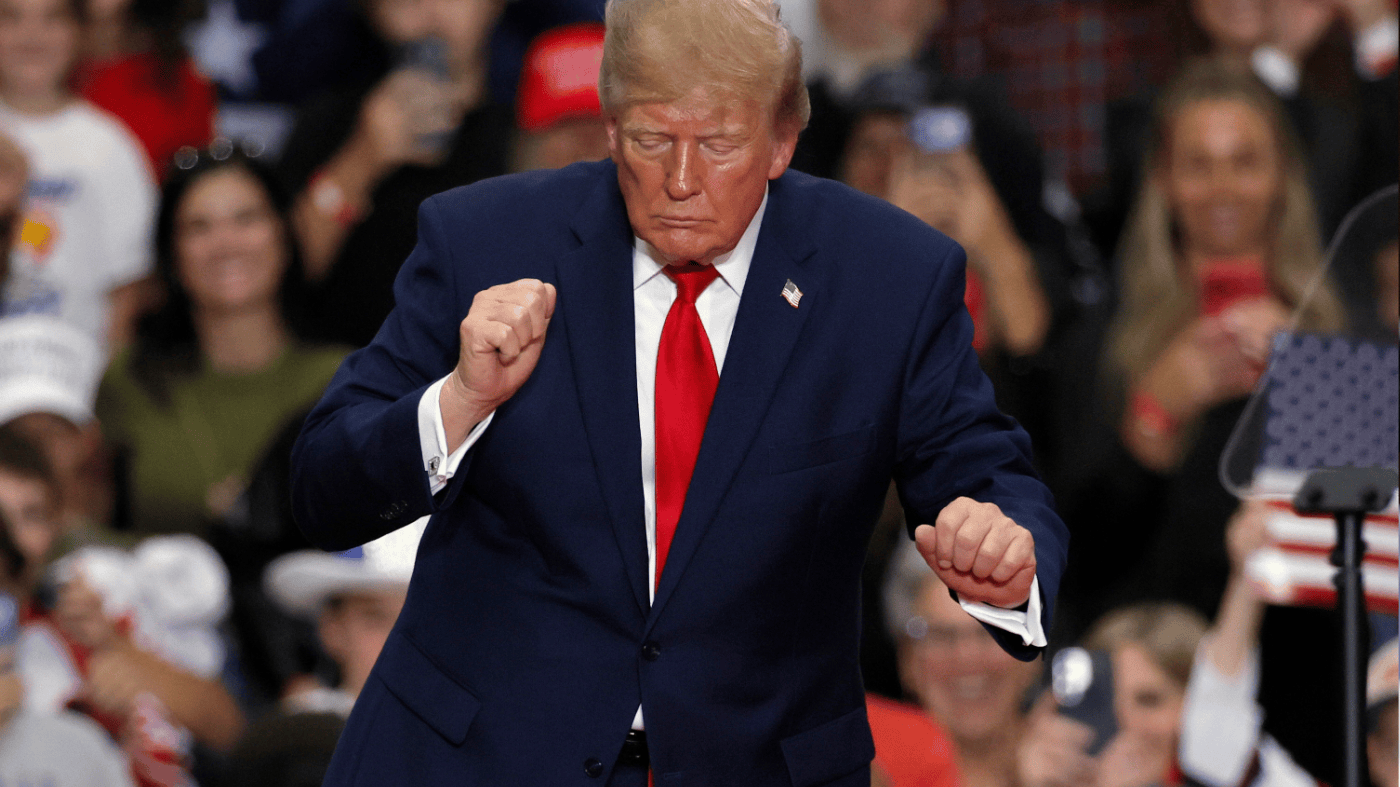
President Trump confirmed on Sunday that he is actively considering relocating the White House press corps from its long-standing quarters in the West Wing, a move that would upend decades of tradition and further strain relations with the media.
In a lengthy post on his social media platform, Truth Social, Trump addressed rumors about a possible indoor pool and pivoted to the press corps' future. "Also, I am not building a swimming pool in the White House Briefing Room, and never had any intention of doing so," he wrote. "I am thinking about moving the Press, and putting them in a different location, but I will use that location for very badly needed space."
The president's remarks follow a New York Times report from Tuesday indicating he had told aides he wanted to restore an indoor pool installed in 1933 under Franklin D. Roosevelt. That pool was covered during Richard Nixon's presidency to create the current briefing room. Trump dismissed the report as "Fake News" in a separate Truth Social post on Saturday, but hinted he "may move the Fake News to a less obnoxious location."
On Sunday, he doubled down: "The old swimming pool will never be brought back. I NEVER even thought to do such a stupid thing."
The announcement is the latest in a series of actions by the Trump administration to restrict press access to the White House and the Pentagon. Earlier this year, the White House removed Andrew Feinberg of The Independent from his print pool duties after the president clashed with the reporter in the Oval Office. The White House Correspondents' Association (WHCA) condemned the move as "retaliation" and formally objected.
WHCA President Jacqui Heinrich also criticized the administration's decision to bar Politico, CNN, and MSNBC from White House events earlier this year. A federal judge subsequently blocked that ban, ruling the outlets were likely denied due process. Despite the ruling, CNN reporters, including Feinberg, remain barred from joining the press pool on Air Force One.
A White House spokesperson defended the restrictions, telling The Hill: "No person and no journalist has a constitutional right to access the President's Oval Office, Air Force One, or other sensitive and private facilities." The spokesperson added: "When publications lie, fabricate, and ignore the truth, proximity matters less and they can write their fiction from outside of these secure facilities."
Press advocates argue that moving the briefing room would further insulate the president from accountability and diminish the public's access to timely information. The WHCA has long maintained that a free and independent press is essential to democracy, and that physical proximity to the president is a vital part of that mission.
Trump's latest comments come as he faces ongoing scrutiny over his administration's broader economic policies and their impact on voter anxiety ahead of the midterms. His contentious relationship with the media has been a defining feature of his political career, and this potential move would mark a significant escalation in that conflict.
The administration has also taken aim at individual journalists and outlets, with Trump frequently labeling unfavorable coverage as "fake news." The proposed relocation would consolidate his control over the press corps' working environment, raising questions about the future of White House press access.
As the debate unfolds, the WHCA is expected to resist any unilateral change to the briefing room's location, arguing that such decisions should be made in consultation with the journalists who rely on it daily. The outcome could set a precedent for how future administrations handle press relations.