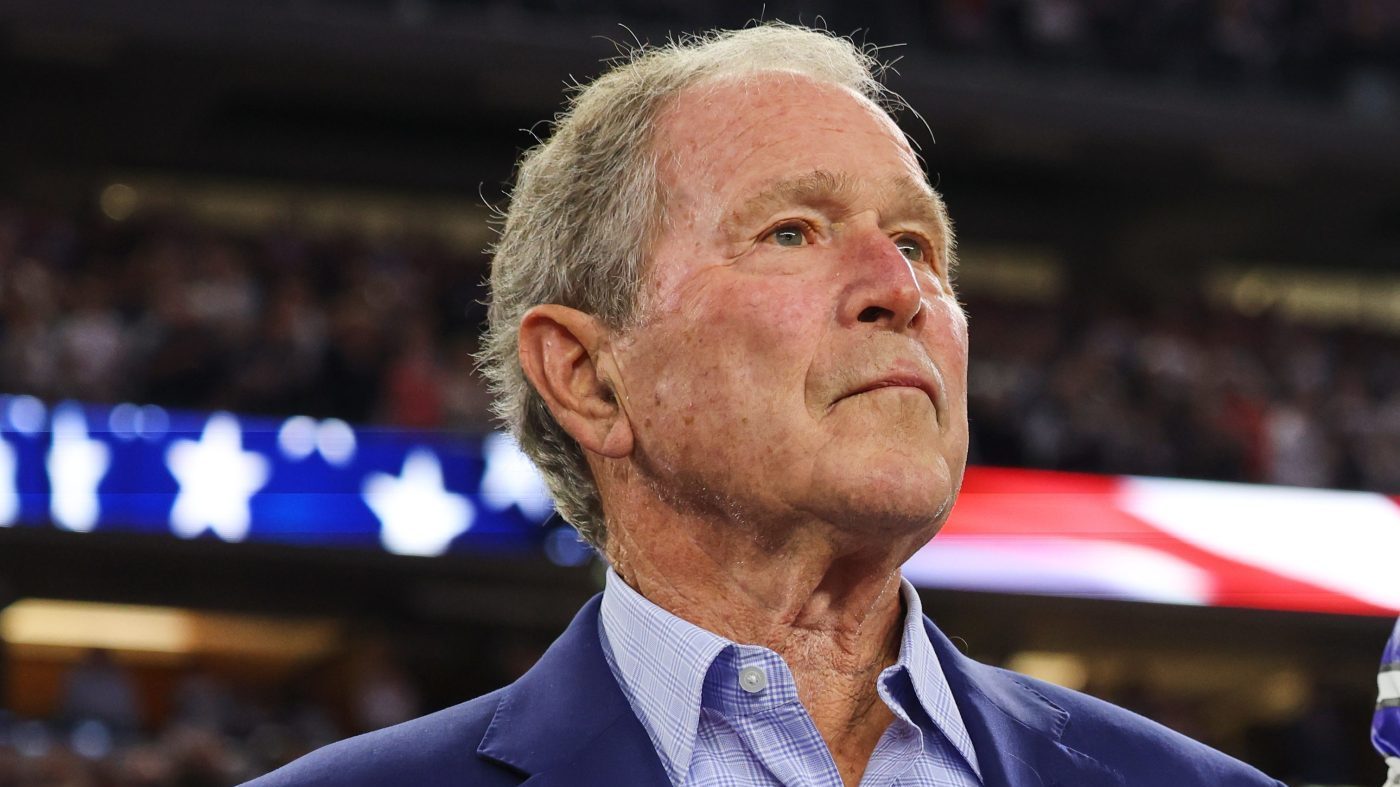
Former President George W. Bush used a 9/11 anniversary event on Thursday to deliver what many observers interpreted as a pointed, indirect criticism of President Trump's management of the Iran conflict, singling out the nation's top military officer for public praise.
Speaking at his presidential center at Southern Methodist University in Dallas, Bush turned to Gen. Dan Caine, the current chairman of the Joint Chiefs of Staff, and said, "Thank God you are where you are, and we appreciate it." The remark came during a conversation with his former Secretary of State Condoleezza Rice, part of the 25th-anniversary commemoration of the September 11, 2001, terrorist attacks.
Bush, who was in office during the attacks, has rarely commented directly on Trump's foreign policy. But his warm acknowledgment of Caine—who as an F-16 pilot patrolled Washington's skies in the immediate aftermath of 9/11 and later served in the Bush White House—carried weight given Caine's reported friction with the president over the Iran war.
According to multiple reports, Caine warned Trump before the conflict began that the U.S. military's limited stockpile of critical munitions and lack of allied support would endanger troops and undermine any large-scale operation. In recent months, Caine has reportedly pressed other senior Trump advisers to wind down the war, cautioning that escalation through further U.S. military action would likely backfire.
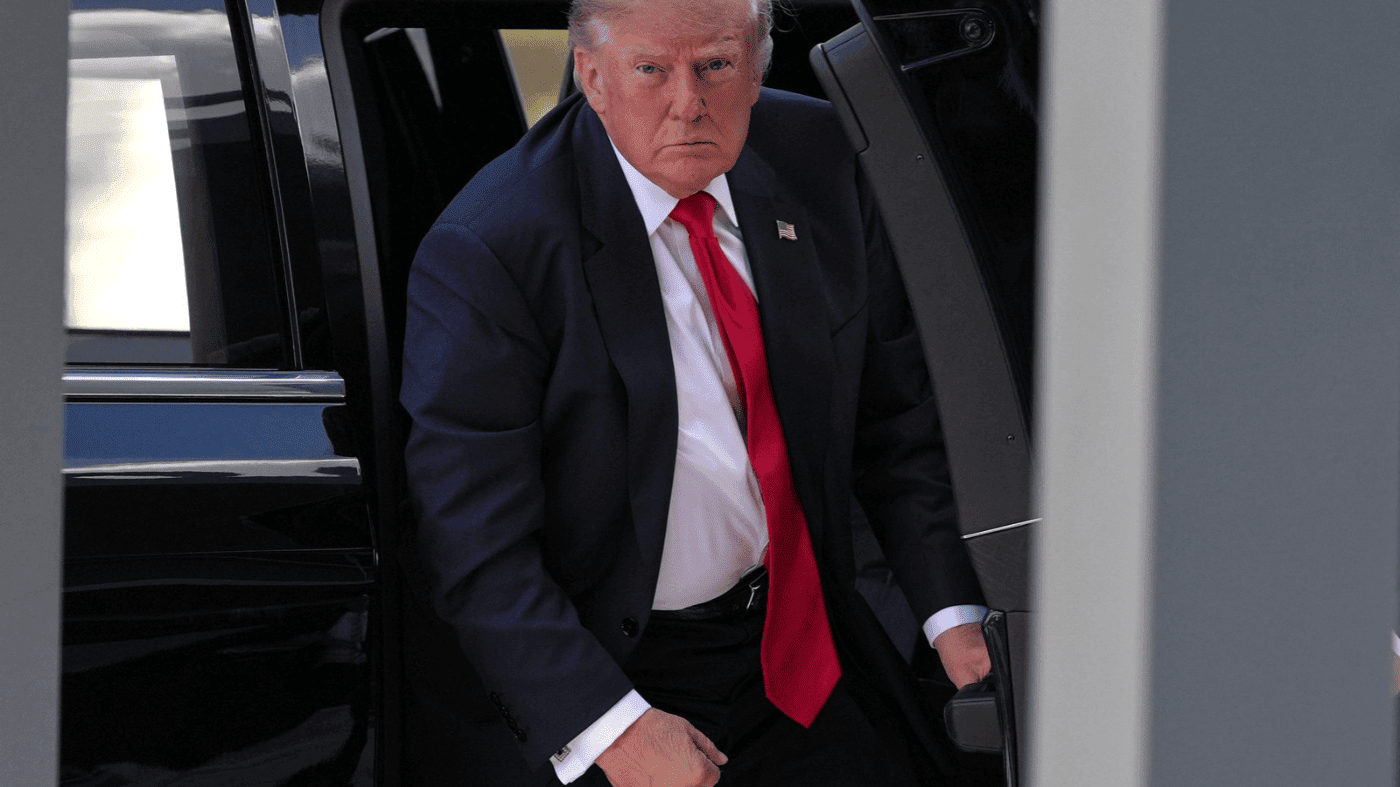
The war, now in its seventh month, remains deeply unpopular. On Wednesday, Trump acknowledged for the first time that it would not end before the November midterm elections. "I think the war is going to end immediately after the election," he told reporters at Joint Base Andrews before heading to the GOP midterm convention in Dallas.
Trump accused Iran of attempting to interfere in U.S. elections, claiming Tehran is "desperate to try and affect the election so that we can get a nice, weak group of people in there, and leave them alone and let them have their nuclear weapon." He has also demanded Iran reopen the Strait of Hormuz and insists the regime must not acquire a nuclear weapon. But with multiple peace efforts stalled, the conflict appears at a stalemate.
The president has repeatedly said all options, including further military action, remain on the table. Yet his own military chief's warnings—now publicly echoed by a former president—underscore the growing unease within national security circles about the trajectory of the war.
Bush's comments come amid a broader political climate where Republican leaders are grappling with midterm messaging as the party's edge narrows. The administration's handling of the Iran conflict is likely to be a central issue in the campaign, with Trump's law-and-order rallies doing little to distract from the mounting costs of war.
Meanwhile, the president's decision to resume regular press briefings this week has done little to clarify his endgame strategy, leaving questions about how—and when—the United States intends to exit the conflict.
For Caine, the public endorsement from a former commander-in-chief may bolster his standing as a voice of caution within the administration. But whether it will influence Trump's next move remains uncertain.