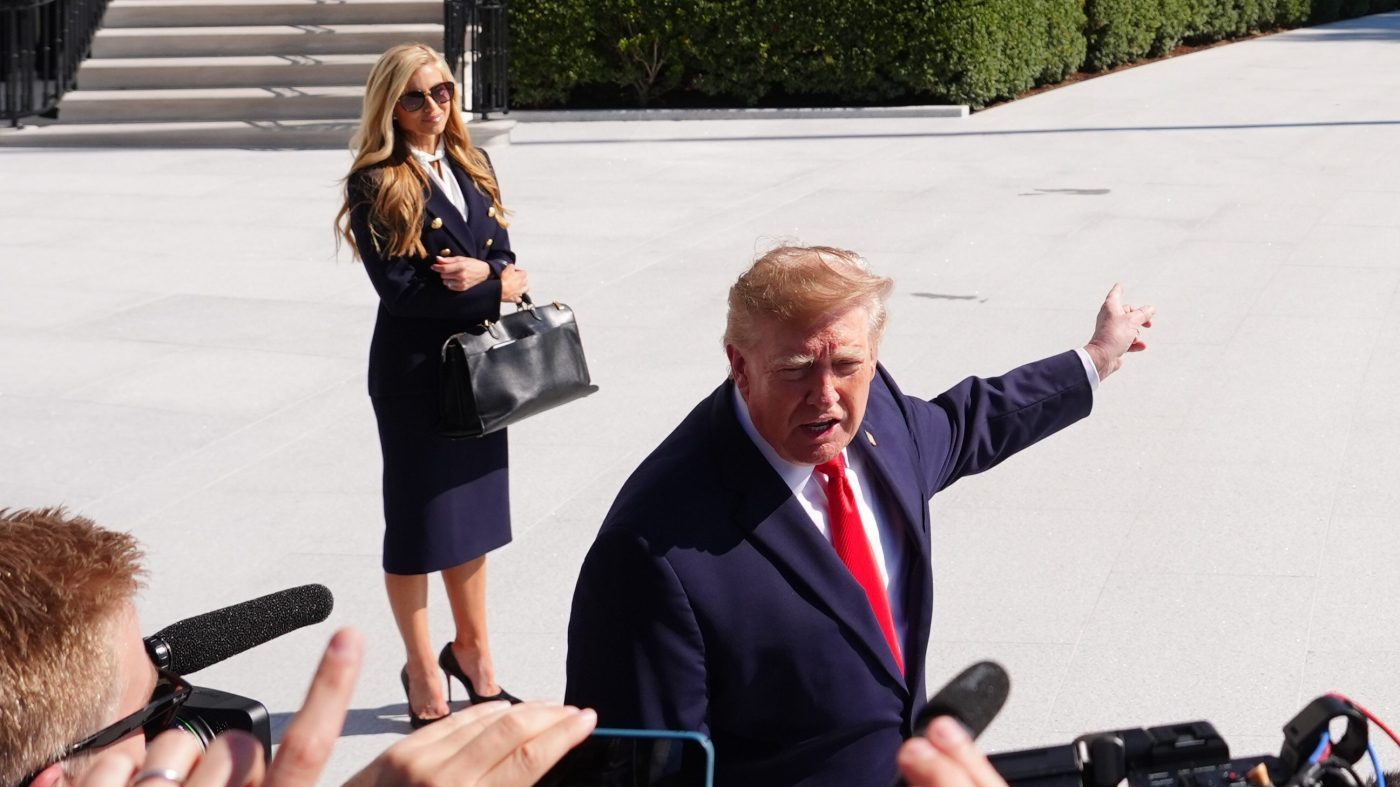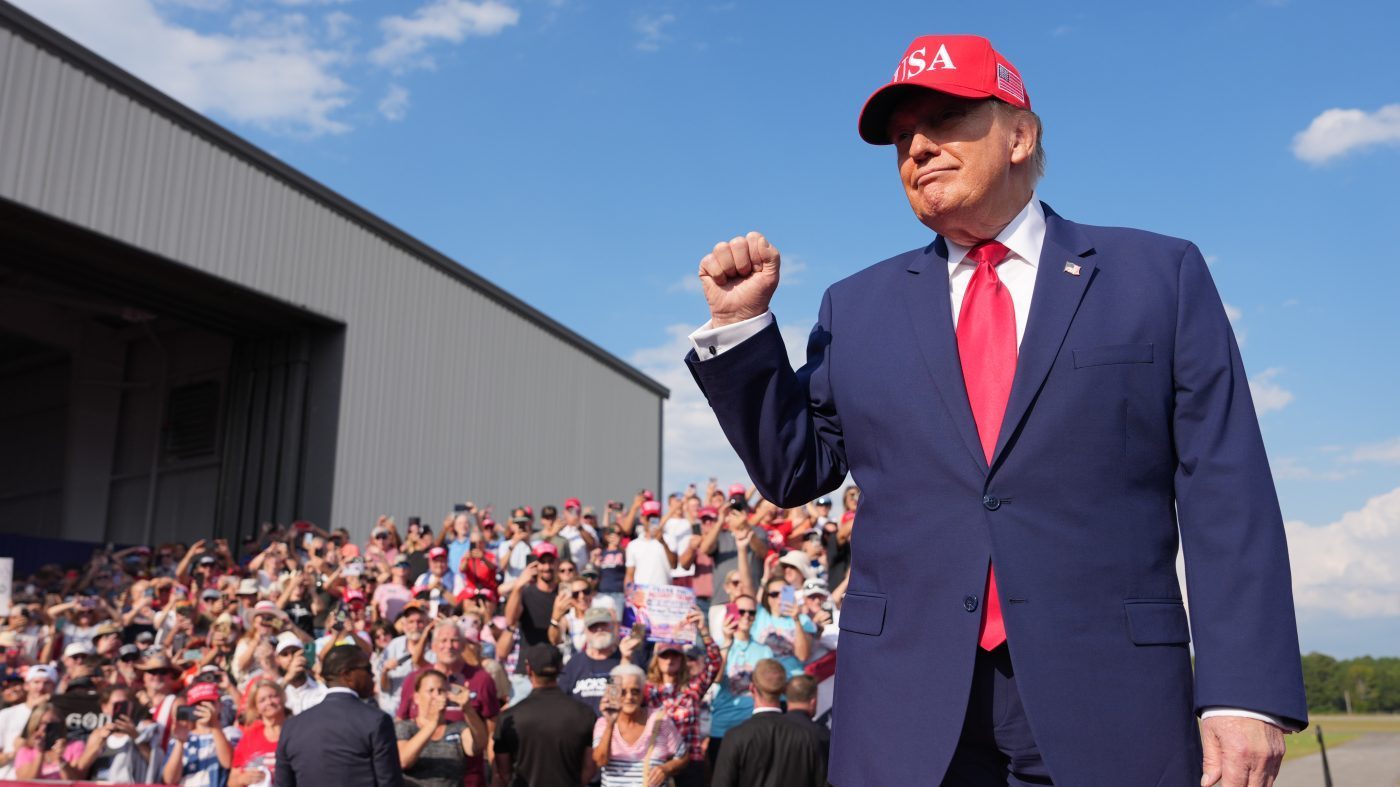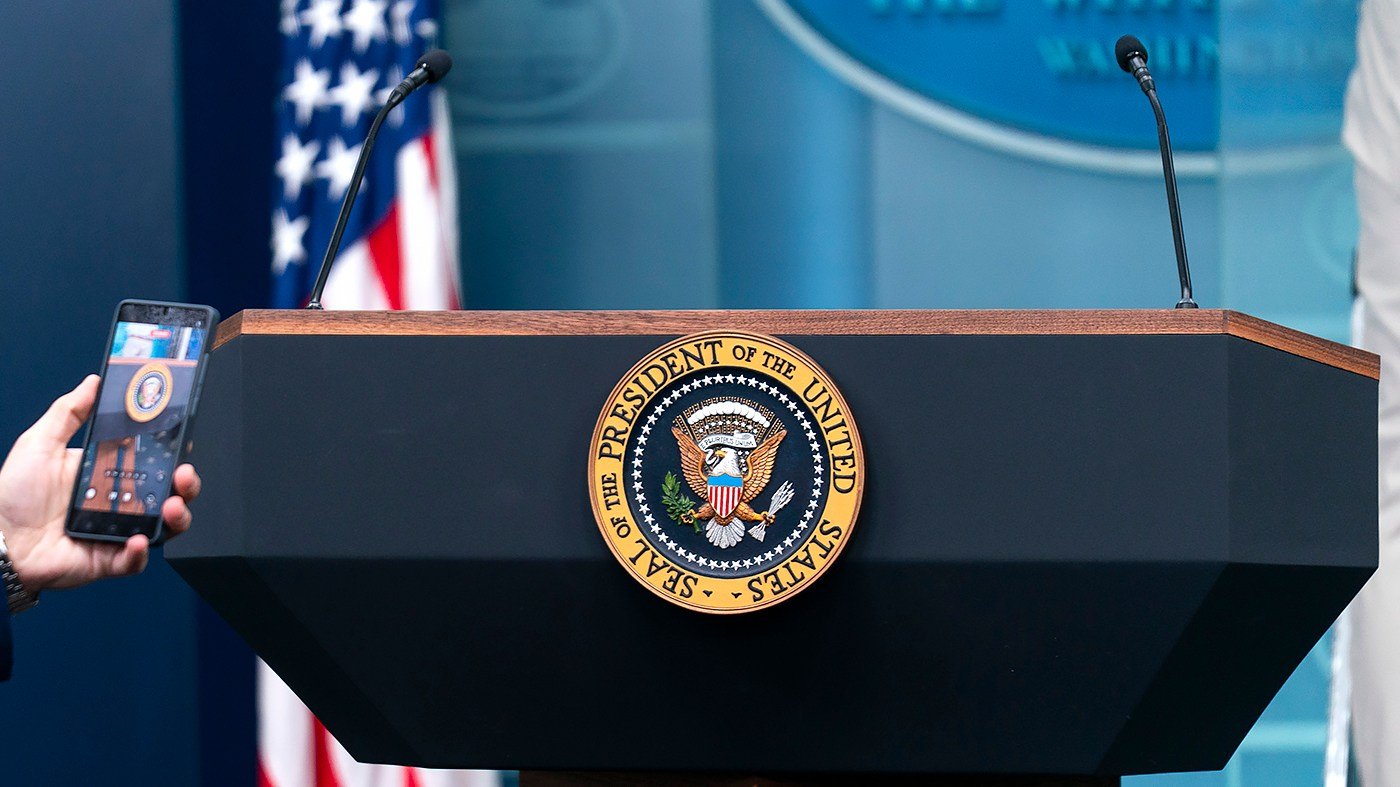
The White House is set to hold a press briefing on Thursday, breaking a silence that has stretched more than 40 days. A White House official confirmed the plans but declined to say who would take the podium, leaving reporters and political observers guessing about the administration's communications strategy.
The announcement comes just days after former White House press secretary Karoline Leavitt wrapped up her tenure in the role. Leavitt, who served as the president's chief spokesperson, is not disappearing from the political scene entirely. She will continue to advise President Trump from the outside and will work with his super PAC, MAGA Inc., a move that keeps her in the orbit of his political operation.
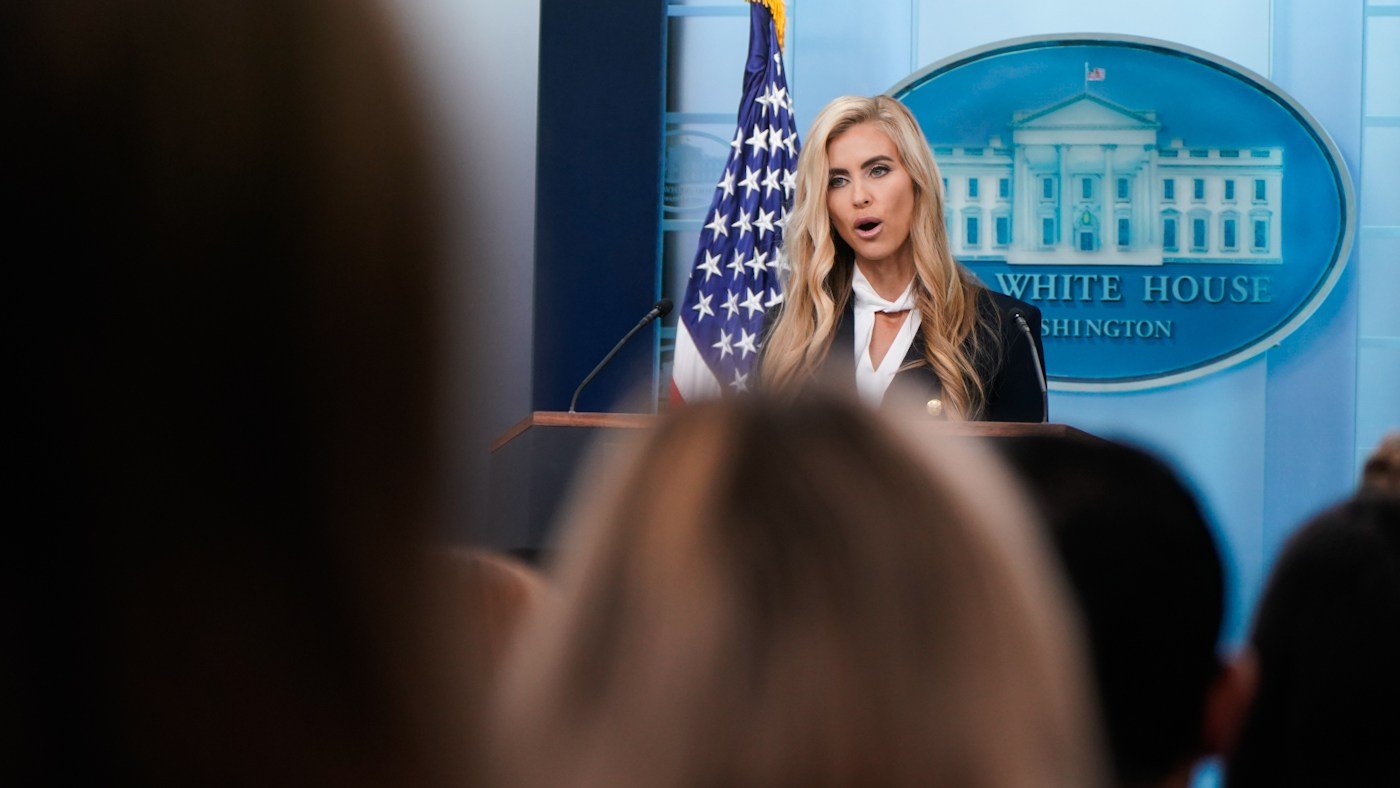
During Leavitt's roughly monthlong maternity leave earlier this year, the administration rotated a series of high-profile figures through the briefing room. Vice President Vance, Secretary of State Marco Rubio, and Treasury Secretary Scott Bessent all took turns fielding questions, a stark departure from the usual podium routine. That rotation highlighted the administration's willingness to deploy senior officials to make its case, but it also underscored the absence of a permanent press secretary.
Who will ultimately replace Leavitt remains an open question. Several names have circulated in Washington, including CNN commentator Scott Jennings and former U.S. Attorney for the District of New Jersey Alina Habba. Both have strong ties to the president's inner circle, but neither has been formally tapped for the job, and the White House has offered no timeline for a decision.
President Trump has shown little urgency in filling the vacancy. Leavitt herself, on her final day in the role, said the president is "his own best spokesperson," a sentiment that aligns with Trump's well-documented preference for direct communication with the public, often bypassing traditional media channels.
The prolonged gap in briefings has drawn criticism from press advocates and some lawmakers, who argue that regular access to the White House is essential for government accountability. The upcoming session may provide some relief, but it also raises questions about the administration's broader approach to media relations, especially as tensions over press freedom simmer. Earlier this year, the president's threats against NBC News reporter Kristen Welker sparked fresh concerns, as documented in coverage of that incident.
Thursday's briefing will also come at a politically charged moment. With the midterm elections looming, the White House is likely to face questions on a range of issues, from the economy to legislative battles. House GOP leaders have already scheduled their own press appearance as the government shutdown deadline approaches, a sign of the partisan jockeying underway. The administration's messaging will be closely watched for any hints of its strategy in the coming months.
In the absence of a permanent press secretary, the briefing could be led by any number of officials, but the White House has not confirmed who will step up. That uncertainty, combined with the lengthy gap, ensures that Thursday's session will be a significant moment for the administration's communications team, which has been operating in a state of flux since Leavitt's exit.