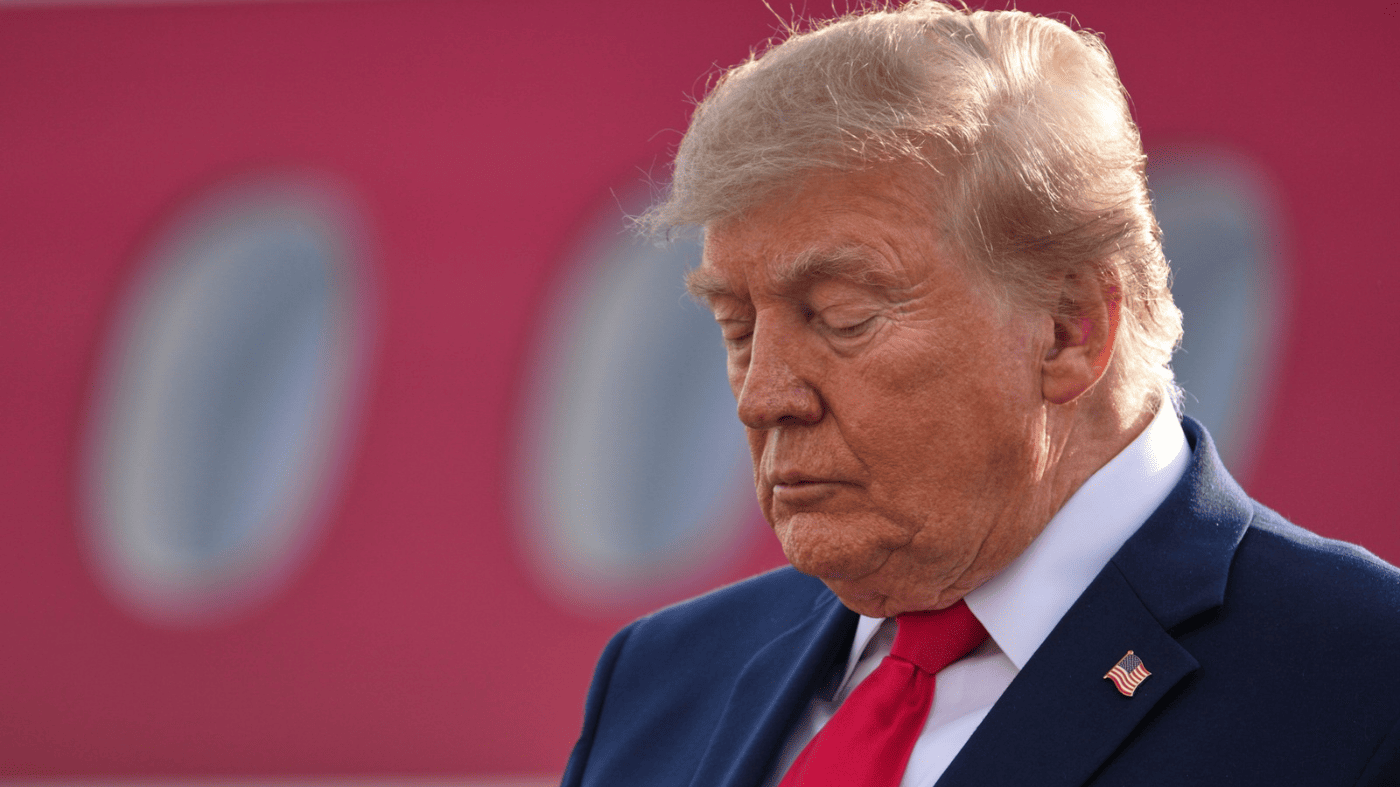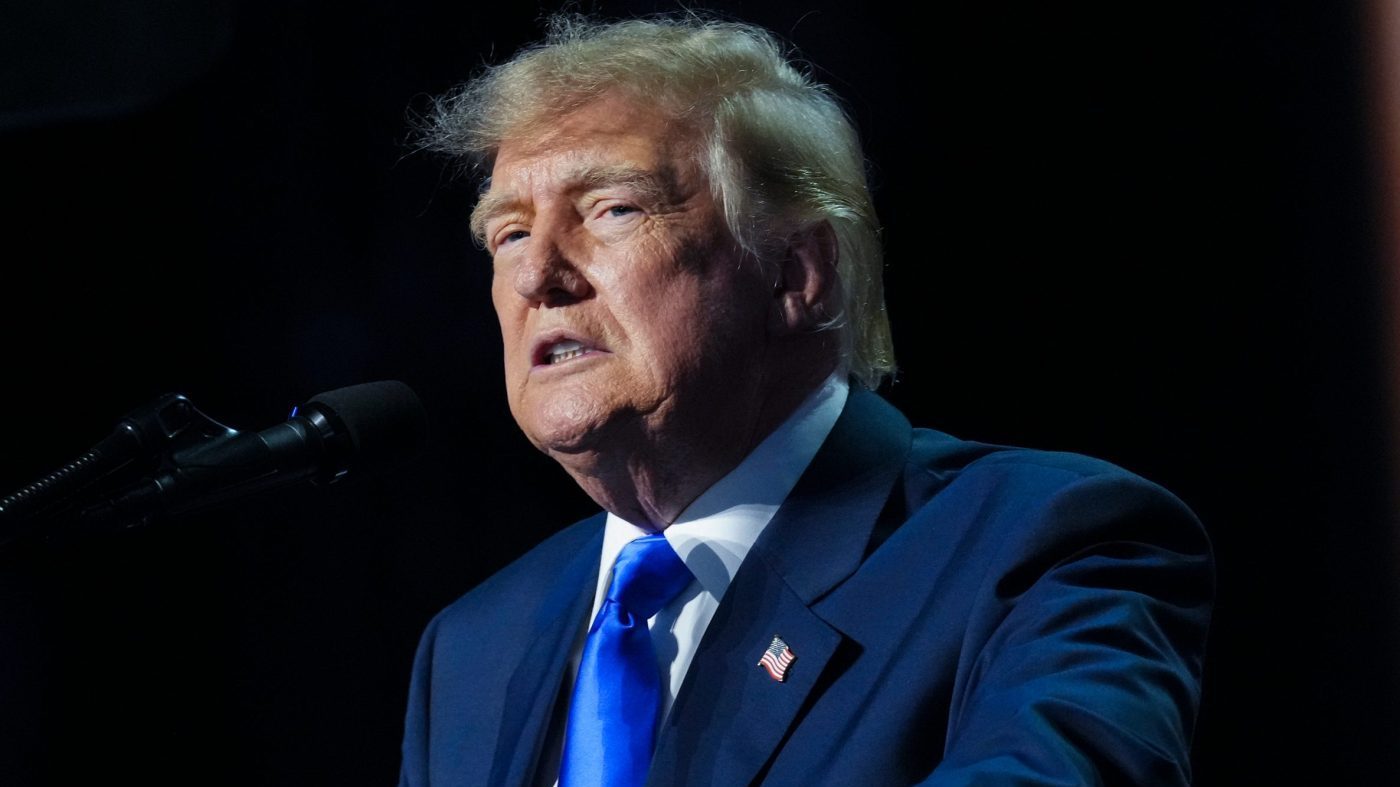
At a Republican National Committee event in Dallas, President Trump unveiled a proposal to send $5,000 checks to every adult American, but only if the GOP maintains its grip on Congress after the November midterms. The announcement, the latest in a series of cash giveaways Trump has floated during his second term, was met with enthusiasm from the crowd but also raised eyebrows among fiscal watchdogs and some lawmakers.
Trump said the payments, which he dubbed "Trump dividends," would go to roughly 270 million adults because "we've done so well and because our country is making so much money." However, he offered no specifics on how the $1.2 trillion price tag would be funded, leaving many questions unanswered.
The Cost and Funding Mystery
The estimated $1.2 trillion cost of the dividend checks is nearly as much as the $1.27 trillion the government spends on interest on the national debt, and close to the $1.36 trillion allocated for defense this year. Trump did not explain whether Congress would need to approve the payments, though past such initiatives have required legislative action.
During the COVID-19 pandemic, Congress authorized two rounds of $1,200 stimulus checks, funded through the $2.2 trillion CARES Act. More recently, Trump sent $1,776 checks to service members using funds Congress had already appropriated.
Similar Promises That Never Materialized
Trump's latest pledge echoes earlier proposals that have not come to fruition. Last year, he suggested sending up to $2,000 checks to most Americans, funded by tariff revenue, but the Supreme Court struck down the bulk of his tariffs, and the checks never arrived.
Elon Musk, while leading the Department of Government Efficiency (DOGE), floated $5,000 dividends based on projected savings of $2 trillion, an idea Trump endorsed. That plan also fizzled. The administration is currently promising $500 rebate checks to about 1 million Affordable Care Act enrollees in 30 states, using a purported surplus from the Biden era.
In 2018, ahead of the midterms, Trump pitched a 10% middle-class tax cut, which never materialized either. He repeated that promise before the 2020 elections.
Economic and Political Pressure
The dividend pledge comes as Trump faces mounting criticism over the economy, which polls suggest is a top concern for voters. Despite Trump dismissing affordability as a "hoax," rising energy costs linked to the Iran war and new Canadian retaliatory tariffs are hitting consumers. The trade war with Canada could hurt Republican candidates in border states.
Marc Goldwein, senior policy director at the Committee for a Responsible Federal Budget, warned that the dividends could stoke inflation. "I think it's likely something like this would create an extra 1.5 points of inflationary pressure (some which would be canceled with higher interest rates) and boost output by a quarter point or so," he wrote on X. He also predicted "a huge spike in the deficit."
With the national debt crossing $40 trillion, Goldwein pointed to the economic impact of pandemic-era stimulus checks, which some experts blame for post-COVID inflation.
Congressional Reaction
Sen. Bernie Moreno (R-Ohio) announced on X that he would introduce legislation to enact the "Trump Dividend" immediately after the election. But not all Republicans are on board. Rep. Chip Roy (R-Texas) criticized the plan, writing that "dependency is evil & soul-sucking in all its forms."
Historically, Trump's check proposals have required congressional approval, and without it, they remain just promises. As the midterms approach, the political impact of this pledge remains uncertain.