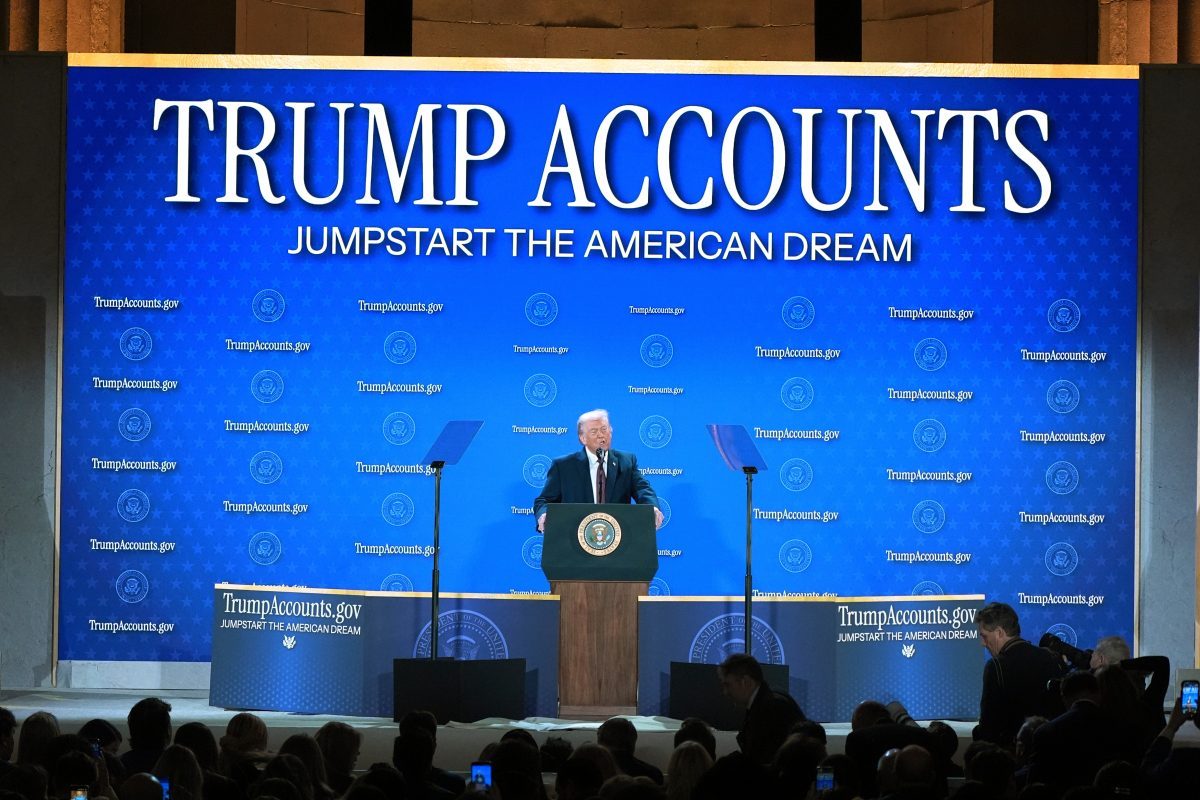
The Treasury Department has confirmed that more than 60 million children have been automatically enrolled in Trump accounts, a sweeping expansion of the program that officials say will allow a massive private donation to reach eligible families.
The move, announced last month, builds on the roughly 7 million accounts that had already been established. Treasury Secretary Scott Bessent indicated that as many as 70 million children could ultimately qualify, making this one of the largest federal enrollment efforts in recent memory.

Why the sudden surge?
The auto-enrollment is partly designed to facilitate a $6.25 billion contribution pledge from tech billionaire Michael Dell. According to a report from The Hill, the administration wanted to ensure that the funds could be distributed to every eligible child, not just those whose families had already signed up.
By automatically creating accounts, the Treasury removes a significant barrier: parents no longer need to take proactive steps to secure a Trump account for their child. This is a notable shift from the program's earlier phase, which relied on voluntary enrollment.
What this means for families
For most families, the auto-enrollment means their child now has a Trump account without any action required on their part. The account is designed to hold funds that can be used for education, healthcare, or other approved expenses, depending on the program's rules.
However, the rapid expansion has raised questions about administrative capacity, data privacy, and the long-term financial sustainability of the program. Critics have also pointed to the political implications, especially as the administration pushes the program ahead of the midterm elections.
The Treasury has not yet released a detailed breakdown of how many accounts have been funded or the average balance, but officials say the Dell contribution will be distributed proportionally among eligible children.
Political and legal context
This development comes as the administration faces mounting scrutiny over its handling of federal programs. The auto-enrollment has been framed by supporters as a way to ensure no child is left behind, but detractors argue it is an overreach that could burden future taxpayers.
Legal challenges are possible, though no major lawsuits have been filed yet. The administration maintains that it has the authority to create these accounts under existing law, and that the program is designed to be self-sustaining through private contributions and investment returns.
What to watch
Parents are advised to review their child's account details once they become available, to ensure that the information is accurate. The Treasury has said it will send notifications to families whose children have been auto-enrolled, but the timeline for those notices has not been fully clarified.
As the program expands, expect continued debate over its impact on the federal deficit, the role of private donors in public policy, and the potential for the accounts to become a permanent fixture of the social safety net.