The scale of investment in artificial intelligence has moved far beyond the realm of a software upgrade or a clever chatbot. What was once a speculative tech trend has become a cornerstone of the global economy, with trillions of dollars funneled into data centers, semiconductor manufacturing, energy infrastructure, and grid upgrades. This transformation carries profound implications for financial stability, and the risks are not confined to Silicon Valley.
Infrastructure spending on a wartime scale
Capital expenditures by major technology firms now rival the defense budgets of entire nations. Money is pouring into silicon chips, liquid-cooled data centers, concrete foundations, and even the restart of nuclear power plants. Heavy industry, commercial real estate, utilities, and renewable energy developers have all tied their long-term prospects to an insatiable demand for computing power. This interlocking dependency means that a downturn in AI investment could ripple through the broader economy.

Silicon Valley has effectively exported its financial risk to the real world. If investors conclude that these physical assets will never generate meaningful returns, the shockwave could hit cement factories and power plants long before it reaches California's office parks. The speculative math at the heart of this boom is reminiscent of past bubbles, where projected demand far outpaced actual adoption.
The depreciation trap
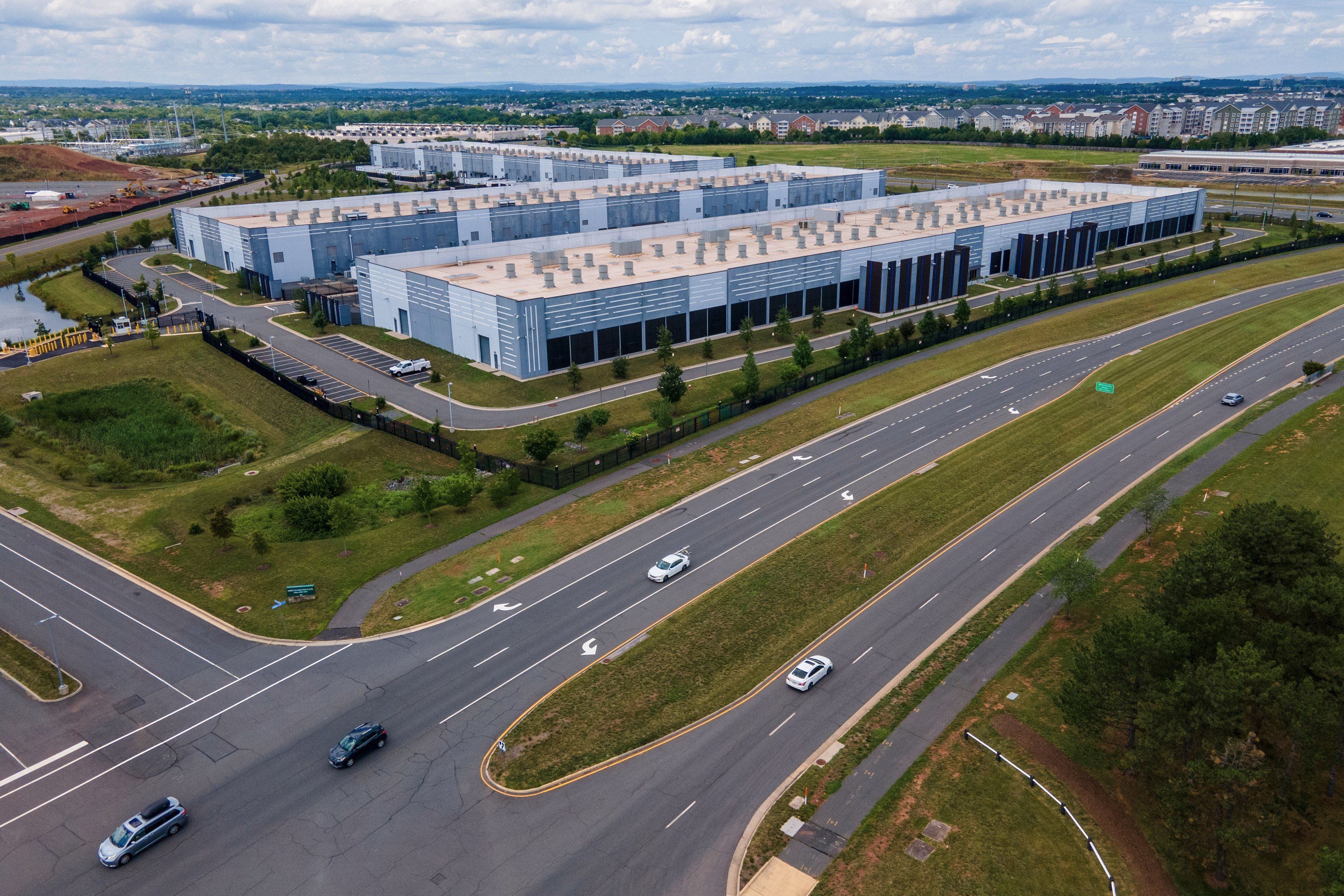
Building a modern data center requires hundreds of millions of dollars upfront, often backed by decades-long power contracts. Yet the hardware inside—such as Nvidia's GPUs—depreciates rapidly as newer chips hit the market. If enterprise software revenue lands at a fraction of current forecasts, these server farms could become monuments to overinvestment. Valuations built on exponential growth could evaporate overnight, leaving corporations with warehouses full of costly, obsolete equipment.
This risk is not abstract for ordinary citizens. The stock market has become historically top-heavy, with a handful of mega-cap tech firms driving the vast majority of index returns. Pension funds, state retirement systems, and standard 401(k) accounts have automatically invested in these same giants. An office worker in Ohio or a teacher in Texas might not know the difference between an LLM and a GPU, but their financial security rests directly on tech stock valuations. A sudden correction in a few Silicon Valley boardrooms translates into a direct haircut for everyday retirement portfolios.
The labor paradox
The employment market adds another layer of risk. Over the past three years, corporate leaders across finance, logistics, and retail have justified hiring freezes and massive capital borrowing by promising shareholders that automation would drastically lower labor costs. A senior figure at Microsoft has described the entire generative AI model as “the largest theft of labor in human history.” Executives essentially took out heavy loans against future productivity gains that have yet to materialize in national economic data.
If software fails to automate administrative workloads at scale, those same executives will face immediate margin pressure. The likely response will be rapid, aggressive cost-cutting, potentially leading to thousands of layoffs as companies scramble to offset the costs of unused software subscriptions and useless infrastructure commitments. This paradox—promising automation-driven savings while simultaneously creating new costs—could trigger a wave of corporate restructuring.
Banking system exposure
Finally, the financial system itself is deeply exposed. Wall Street banks, private equity funds, and non-bank lenders have spent years funding data center construction, energy acquisitions, and specialized hardware leases. Private credit funds, in particular, have poured billions into leveraged loans for unproven tech ventures. When an asset class backed by heavy leverage suddenly loses its revenue potential, defaulted loans on underused data centers could move from corporate balance sheets into regional banks and private credit markets.
This chain reaction mirrors what happened with risky housing debt in the 2008 financial crisis. A sudden collapse in hardware valuations would quickly turn software failure into a banking nightmare, complete with liquidity squeezes and frozen credit markets. The current financial consensus treats digital infrastructure as a bulletproof asset class, but history suggests that whenever Wall Street treats speculative future yield as a guaranteed certainty, the bill eventually arrives with interest.
As the AI industry's own filings acknowledge existential risks, policymakers and investors must confront the possibility that this boom could end in a bust. The stakes are not just technological but deeply economic, affecting pensions, jobs, and the stability of the global financial system. Whether the projected productivity gains will materialize remains an open question—one that could determine the fate of the next decade.