Political scientist Lawrence R. Jacobs warns that the current Republican presidential nomination process has become a breeding ground for populist extremism, eroding the constitutional safeguards the Founding Fathers built to prevent demagoguery. In a new analysis, Jacobs argues that without urgent structural reforms, the GOP risks nominating another candidate who disregards the rule of law, a danger magnified by the vast unilateral powers modern presidents now wield.
The Shift in Nomination Control
Jacobs traces the problem to two pivotal changes. First, since the 1970s, control over nominations has drifted away from party insiders focused on electability and toward small, ideologically driven primary electorates. Low turnout in these contests has allowed evangelical conservatives, hardline immigration opponents, and anti-tax activists to dominate delegate selection, effectively sidelining the broader, more moderate general electorate.
This transformation, Jacobs contends, overturns the Framers' design. Alexander Hamilton, writing in 1788, envisioned the Electoral College as a filter to ensure presidents would be “preeminent for ability and virtue,” not prone to “cabal, intrigue, and corruption.” Today’s primary system, by contrast, rewards candidates who appeal to narrow factions rather than those who demonstrate constitutional fidelity.
Trump as the Cautionary Tale
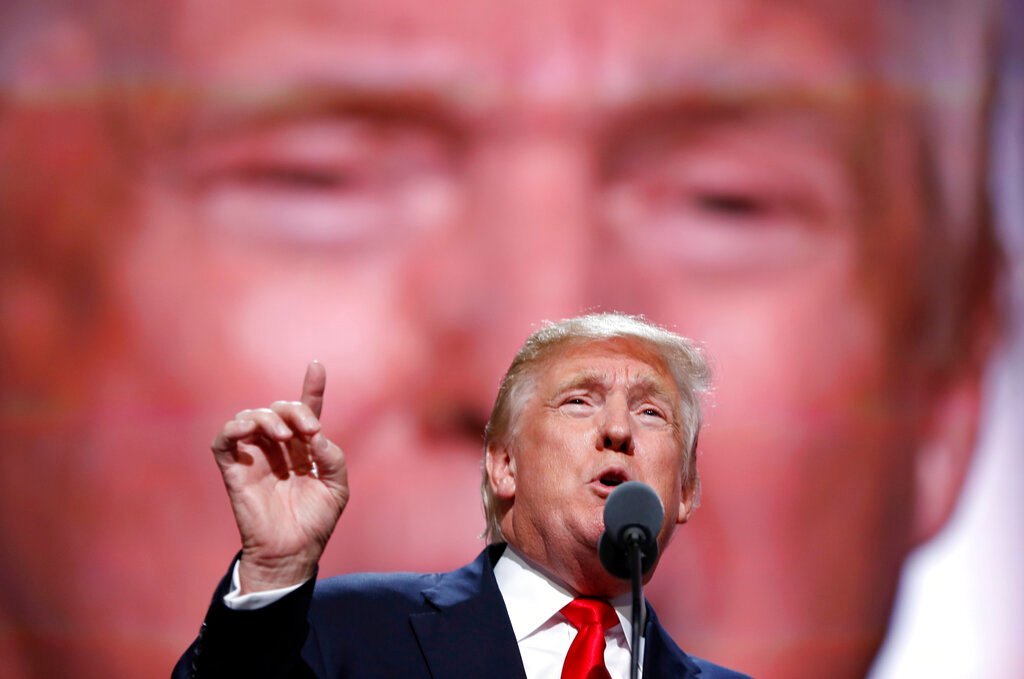
Jacobs points to Donald Trump's 2016 nomination as the nightmare scenario. Trump won the Republican nod with less than 40% of the vote in early primaries, buoyed by a base that was overwhelmingly conservative. In the general election, however, about two-thirds of voters identified as moderate or liberal—a stark disconnect that allowed Trump to win with only pluralities in key states.
Trump's open disregard for legal and constitutional norms was not a disqualifier among primary voters, many of whom were driven by partisan loyalty and resentment toward Democrats. This, Jacobs argues, is precisely the kind of populist tyranny the Framers feared—a leader unmoored from institutional checks, empowered by an unrepresentative minority.
The Expansion of Presidential Power
The second critical change is the exponential growth of executive authority, particularly since the Cold War. Presidents now routinely launch military actions, conduct covert operations, and strike international agreements without meaningful congressional oversight. Historically, party gatekeepers served as a check on reckless or authoritarian tendencies, but that filtering mechanism has eroded.
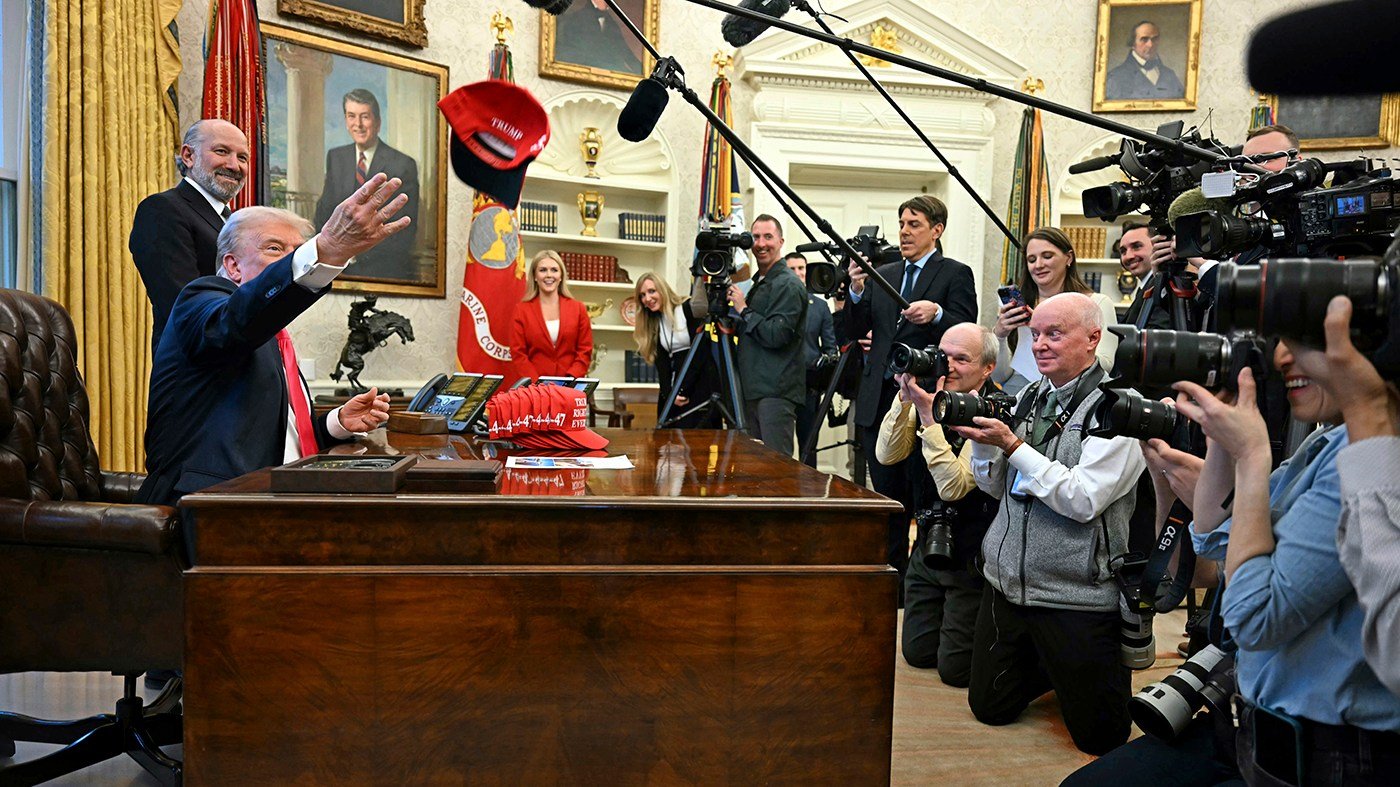
With Trump, the combination of unbridled executive power and a nomination process that bypassed peer review produced an “imperial presidency” lacking safeguards against abuse. Jacobs warns that this leaves the republic vulnerable to leaders who put personal ambition above constitutional constraints.
Proposed Reforms
Jacobs urges immediate reforms to restore balance. A key proposal is to revive the role of unpledged delegates—party leaders and elected officials who can vote independently at conventions. Until 2012, nearly 20% of Republican delegates were unbound; by 2016, that share had fallen to just 6.9%, and many were effectively pledged to primary results.
Restoring a meaningful bloc of unpledged delegates would give party leaders an “off-ramp” if activists push forward a candidate who threatens rule-of-law principles. Jacobs stresses that primary voters would still dominate the process, but leaders would retain a limited ability to tilt a contested convention toward a more mainstream alternative.
Countering the Critics
Jacobs anticipates objections that such reforms are anti-democratic. He counters that primary voters would continue to have the loudest voice; the change simply reintroduces a moderating influence that has been lost. Without action, he predicts another vengeful, unprincipled nominee could emerge by 2028.
As the GOP grapples with internal divisions, these proposals echo broader concerns about political fearmongering and the health of democratic institutions. The stakes, Jacobs insists, are nothing less than the survival of constitutional governance.