In 2011, I trekked with scientists and engineers to roughly 17,000 feet to study Lake Imja in Nepal's Everest region. From my home in Peru, I watched with horror as the consequences of warming permafrost unfolded in Rasuwa district, near the Tibet border, in late August.
Glaciers retreating due to climate change leave behind depressions that fill with meltwater, creating glacial lakes. Lake Imja, which didn't exist when Sir Edmund Hillary summited Everest in 1953, had become the fastest-growing of Nepal's 1,600 such lakes by 2011. On our visit, it stretched a mile and a half, held back by unstable debris. An earthquake or pressure on that natural dam could unleash a catastrophic flood.
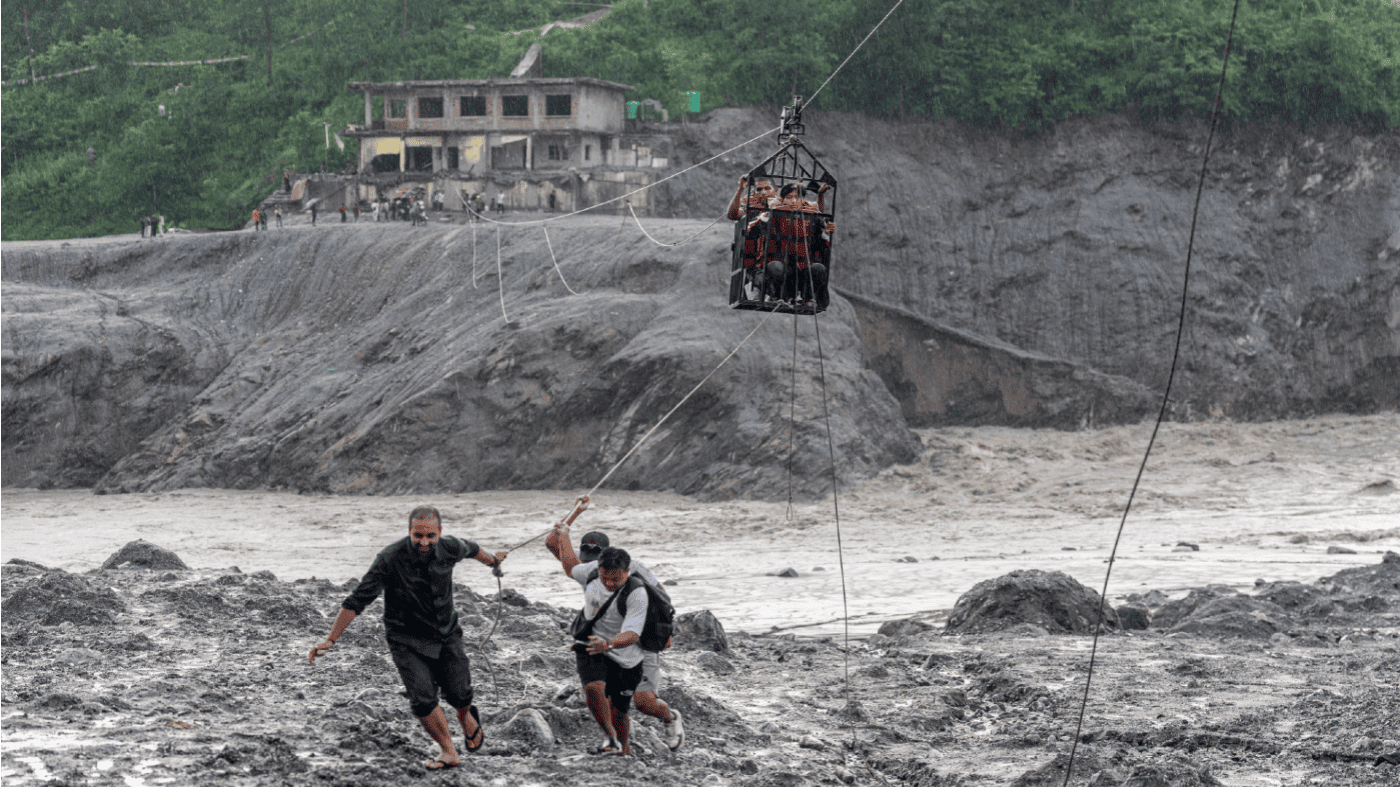
On August 26, the world saw a different version of that fear realized. Above Rasuwa, a chunk of glacier roughly the size of a large city building fell 4,000 feet, triggering a tsunami of ice, snow, water, rocks, and mud that roared down the valleys, destroying communities and infrastructure. Hurricane-force winds flattened trees.
This is not an isolated event. Similar disasters are likely in my country and other mountainous regions. Climate-driven thaw is weakening ice towers globally, and vulnerable landscapes downstream will suffer the consequences.
After our Lake Imja expedition, we focused on preparedness. Early warning systems with real-time sensors and satellite communications can detect sudden water releases and alert downstream communities. Lowering water levels in high-risk lakes and future-proofing buildings are also critical. Lake Imja's situation differs slightly from Rasuwa's, but the danger is the same.
In Peru, Palcacocha lake above Huaraz poses a direct threat to 100,000 people. The Andes are warming, creating conditions similar to Nepal's. As executive director of the Instituto Andino de Montaña, I worked to install an early warning system in Huaraz, which we achieved. But efforts to engineer a lowering of the lake's level were met with bureaucratic inertia, misplaced priorities, and fear of scaring off tourists. No funding was committed.
Now, with El Niño looming, we are holding our breath. Grassroots Peruvians have little trust that officials will protect them. Huaraz is far from Lima, and those at risk feel invisible. Federal authorities are shifting responsibility to local actors who lack the technical capacity for such engineering.
The United States is not immune. Glacial lake outburst floods have occurred annually since 2011 at Suicide Basin in Alaska, and a 2003 flood in Wyoming's Wind River Mountains was triggered by glacier retreat. Beyond sudden floods, melting glaciers release toxic minerals into water supplies, a quieter but pervasive threat.
When disaster strikes, officials mourn. But that energy would be better spent on proactive measures that save lives. We have the tools and knowledge to act; what we lack is political will.